Pleasures and comforts but no peace
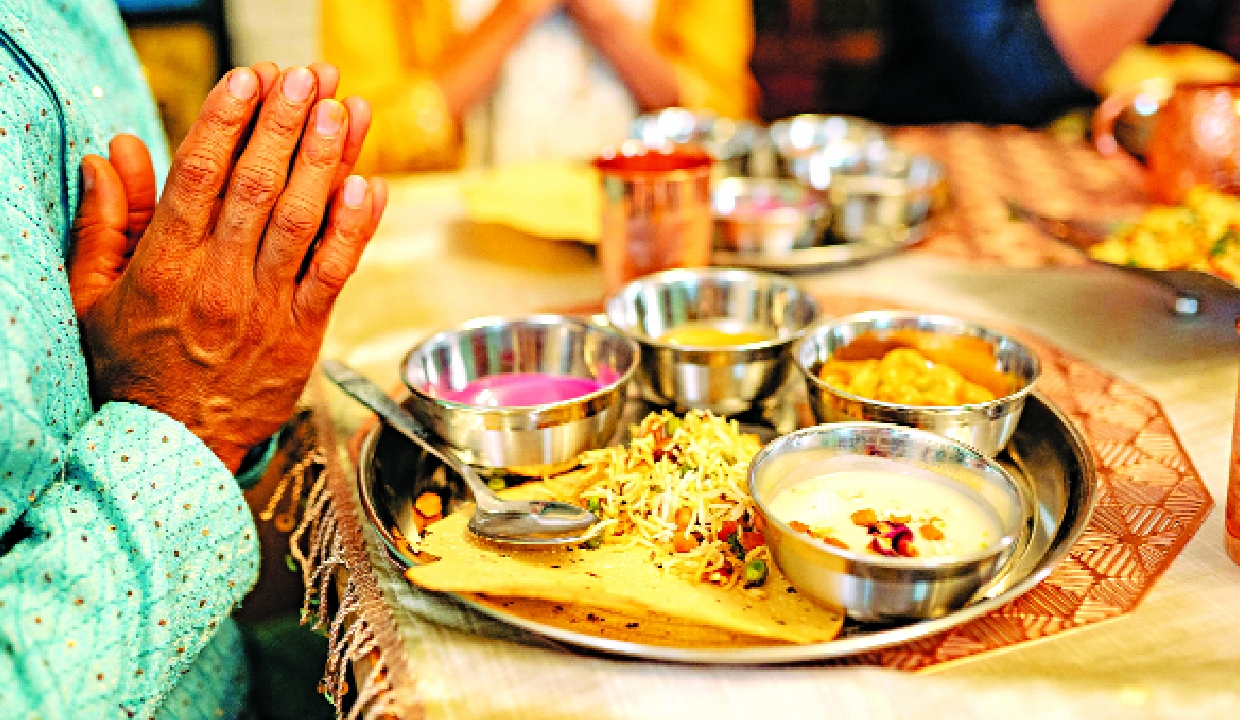
Pleasure is defined as a short-lived sensory experience requiring efforts, while comfort is a soothing state of ease and rest. Lots of people live very comfortably. Similarly, almost everyone has some pleasures, like being able to eat tasty meals regularly. However, not many are either peaceful or happy in spite of living comfortably or having many pleasures of senses.
Why is it so? Seeking peace or happiness by being comfortable is not possible, because, as defined, it is only a state of ease and rest. Increasing comforts, as many do in search of peace and happiness, brings only disappointment, because being peaceful or happy requires control over the mind. And the mind is full of desires; it has many fears; is troubled by something or other; is obsessed with many problems; etc. Similarly, people seek more pleasures of the sensory types, and only compromise health, etc, and are a dissatisfied lot. The answer is in limiting the comforts and pleasures to what is appropriate, as instructed by Lord Krishna in the Bhagavad-Gita. They should be ‘yukta’ (just right) only. For example, I eat only ‘sattvik’ (in goodness) meals, and keep good health. I also limit my comforts to what is just right, that is, comfortable living quarters, etc. But the most important need is to have a peaceful mind. Again, Lord Krishna has instructed in great detail how to become peaceful and, yes, happy also.
There are many requirements, as there must be for such an important objective of peace and happiness. We have to start with the right choices of the modes we associate with. Goodness, which is to choose what is good, is required. We all know generally what is good. Passion is fine as long as we don’t allow it to overpower us. For example, we can watch sports as long as it does not become all-consuming. Darkness, which is driven by what all is wrong, like being controlled by lust, greed, anger, hate, etc., must be strictly avoided. Then, one must be dutiful at all times, that is guided by time, place and circumstances. Dharma (righteousness) must be the guiding principle of life. If we follow all of the above, purity is bound to be achieved.
Next requirement is that of detachment. Mind can be controlled by two means, which are practice and detachment. I have explained what practices are required. Additionally, there is need to be detached with everything material, including one’s body and profession, etc.
These are again to be yukta only, which is just right, like a mother must love her child, but without too many expectations from him, when he grows up. The last and the biggest requirement is to add ‘brahmananda’ (spiritual bliss) to one’s life. This is obtained by a good connection with God and total surrender to Him. It appears like a tough task, but is not till one gets started, because God begins to help. Then, pleasures and comforts contribute to well-being and great satisfaction.
The writer is a spiritual teacher and a popular columnist; Views presented are personal.