Japan: The Rise of a New Security State
Strategic anxieties over China’s rise, North Korea’s provocations, and shifting Indo-Pacific alliances are pushing the country toward a more assertive military role—despite deep public resistance
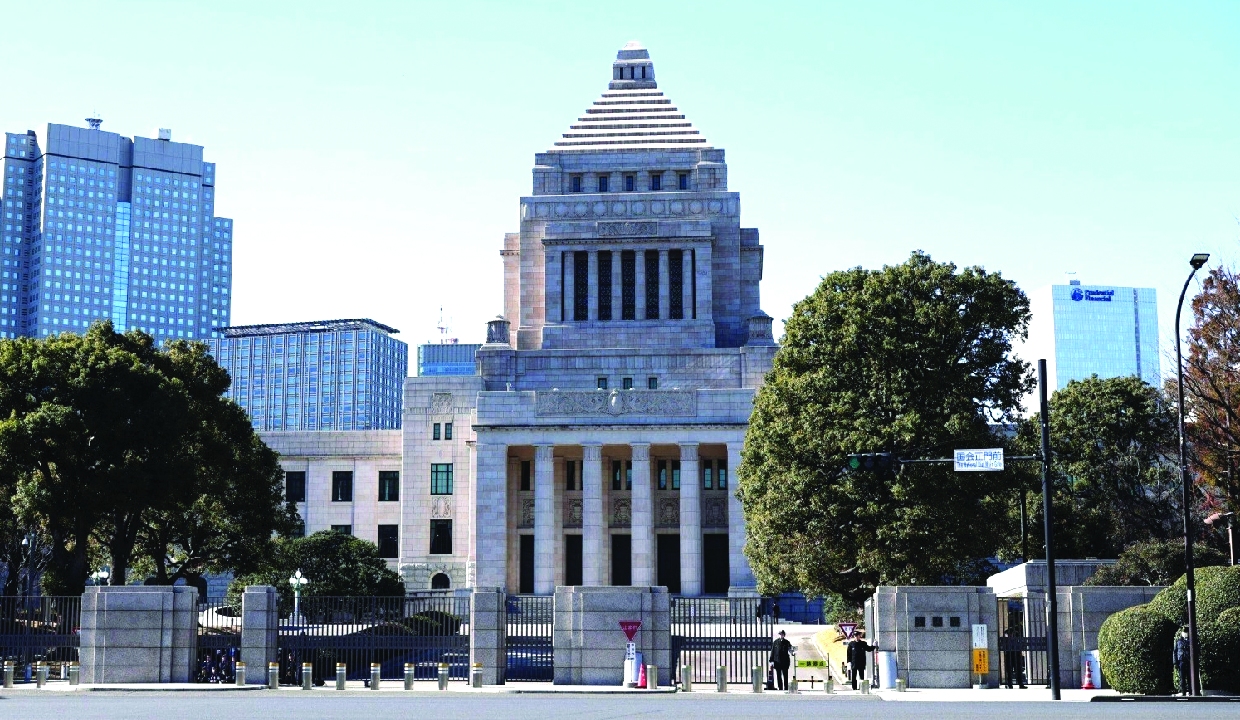
A nation that once renounced war now stands at the edge of rewriting its identity. Japan, shaped by the ashes of World War II, built its global reputation on peace, restraint, and constitutional idealism. Today, that very foundation is shifting. The winds of change blowing through Tokyo signal more than a policy adjustment. They point to a historic turning point that could redefine Asia’s security landscape. Japan’s Parliament, the Diet, has moved closer to approving changes to its pacifist Constitution. Both chambers-the House of Councillors and the House of Representatives-support the move. Public sentiment tells a different story. Surveys conducted by Kyodo News reveal that nearly 80 per cent of Japanese citizens oppose amending the country’s Constitution. A deep divide has emerged between the political leadership and the people.
At the centre of this debate stands Article 9, a clause born out of unimaginable destruction. The atomic bombings of Hiroshima bombing and Nagasaki bombing forced Japan into a moral reckoning. The Constitution that followed rejected war as a sovereign right and ruled out the maintenance of military forces for the purpose of combat. Article 9 became more than a law. It became a symbol of hope in a war-torn world. Japan’s strategic environment has transformed rapidly. The rise of China as a global power has altered regional dynamics. Maritime disputes in the South China Sea continue to intensify. North Korea keeps the region on edge with missile developments. These realities shape the arguments of those calling for constitutional revision. Prime Minister Sanae Takaichi and her allies present a clear case. They argue that Japan must build stronger defence capabilities to protect its sovereignty and contribute to regional stability. Their vision includes transforming Japan’s Self-Defence Forces into a more conventional military. The language of deterrence now replaces the language of restraint.
A stronger Japanese military presence could trigger an arms race across East and Southeast Asia. Joint military exercises involving Japan, the United States, and the Philippines near Luzon highlight a growing security alignment. The Indo-Pacific region begins to resemble a high-stakes arena where alliances deepen and rivalries sharpen. The phrase “roller coaster relations” captures the uncertainty shaping the region. Economic factors add another layer to this transformation. Japan once dominated the global economy. In 1994, it accounted for 17.8 per cent of global GDP. That share now stands near 3.4 percent. China, in contrast, has surged to nearly 19 per cent. This dramatic shift fuels concerns about national decline and global influence. Inside Japan, structural challenges continue to mount. The country faces an aging population and a declining birth rate of around 1.2. Public debt exceeds 200 per cent of GDP. Industries struggle to maintain growth. These pressures shape the national mood. Increased defense spending, now nearing 2 percent of GDP, places additional strain on public finances. Budget cuts in healthcare, education, and welfare have sparked protests across the country.
The alliance with the United States plays a decisive role in Japan’s strategic thinking. Washington views a stronger Japan as vital to maintaining balance in the Indo-Pacific. Military cooperation between the two nations continues to expand. American bases across Japan, including those in Okinawa, form a critical part of this partnership. This relationship shapes Japan’s evolving defence posture. A more capable Japanese military supports broader efforts to counterbalance China’s growing influence. The Indo-Pacific strategy of the United States depends on reliable regional partners. Japan fits that role with its technological strength and strategic location. The devastation caused by nuclear warfare left scars that have not faded. More than 300,000 people lost their lives in the atomic bombings. Survivors, known as Hibakusha, endured decades of suffering due to radiation exposure. Their stories continue to serve as powerful reminders of war’s human cost. The global movement for nuclear disarmament drew inspiration from Japan’s experience. Thinkers such as Bertrand Russell and scientists like J. Robert Oppenheimer reflected deeply on the consequences of atomic weapons. Oppenheimer’s recollection of a verse from the Bhagavad Gita during the first nuclear test captured the enormity of that moment.
The decision to allow arms exports marks a significant policy shift. Advanced military equipment, including warships, fighter jets, drones, and missiles, will now be supplied to partner nations. Seventeen countries stand to benefit from these exports in the initial phase.
This move reflects Japan’s willingness to play a more active role in global security. Countries aligned with Japan welcome its new approach. The Quad grouping-comprising the United States, India, Australia, and Japan-views this shift as strengthening regional stability. China and North Korea interpret it as a sign of containment and respond with caution.
Southeast Asia emerges as a potential flashpoint. Territorial disputes, maritime tensions, and military build-ups converge in this region. Japan’s growing involvement could influence the balance of power. The next theatre of war may well take shape in these contested waters. One path preserves the spirit of Article 9 and the moral authority it represents. The other embraces a more assertive role in global security.
Both paths carry risks and opportunities. The choices made in Tokyo will resonate far beyond its borders. The idea of a “frozen peace” no longer holds. The calm that defined East Asia for decades begins to shift. Strategic competition intensifies. Military preparedness gains importance. Diplomatic engagement continues, though under increasing strain.
The end of Article 9, if it arrives, will mark more than a constitutional change. It will signal the transformation of Japan from a pacifist state into a proactive security player. This transition will reshape alliances, redefine regional dynamics, and influence global stability. A nation that once chose peace above all now prepares to navigate a world where power and security dominate the conversation. The story of Japan enters a new chapter-one filled with uncertainty, ambition, and far-reaching consequences.
The choices made in Tokyo will resonate far beyond its borders. The idea of a “frozen peace” no longer holds. The calm that defined East Asia for decades begins to shift
The writer is Professor Centre For South Asian Studies, School of International Studies & Social Sciences Pondicherry Central University; Views presented are personal.