Why faculty, not facilities, should top every IHM checklist
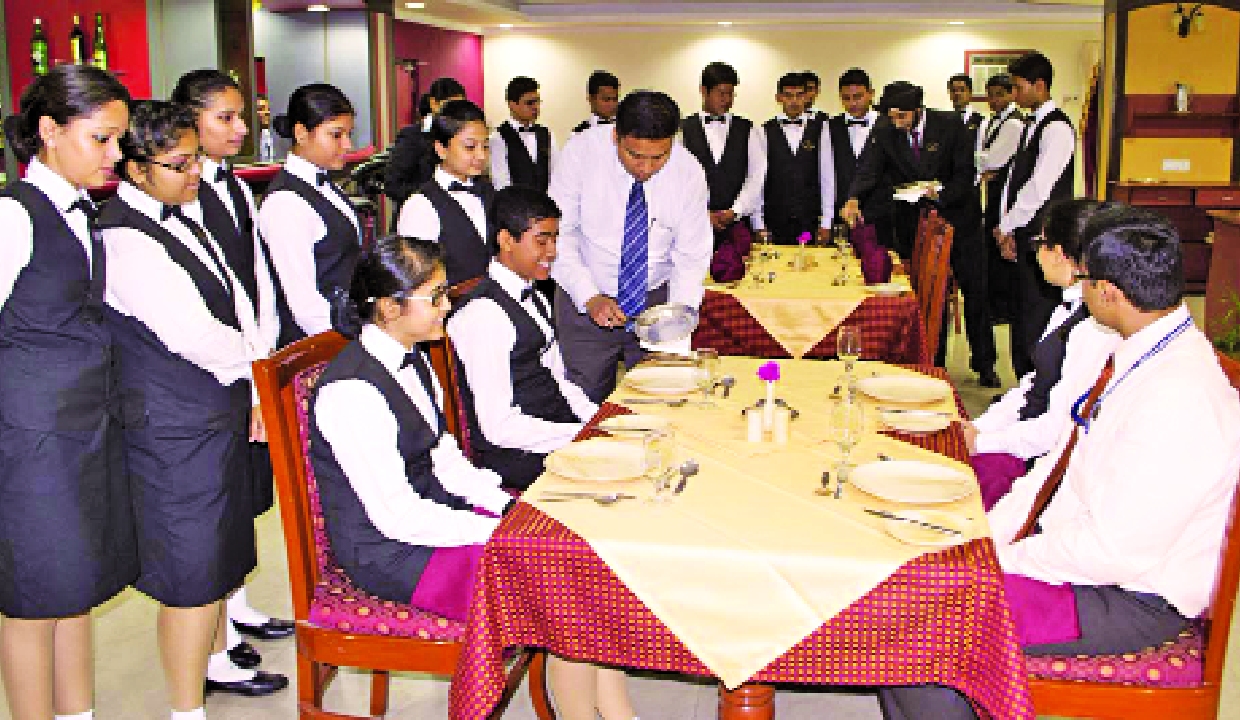
Every admissions season, the same checklist does the rounds among hospitality aspirants: best campus, best placement record, best-known alumni. Ask any working hotelier what shaped their career, and the answer rarely starts with a building. It starts with a name - a professor who pushed them harder than they wanted, who picked up the phone years after graduation, who turned a textbook chapter on guest recovery into a story they still tell at work. The better admissions question, then, is this: who teaches at the institute you're considering, and what faculty culture stands behind them? New research on India's premier Institutes of Hotel Management (IHMs) suggests this matters more than almost anything else on the checklist.
The Real Engine
A study of 112 hospitality-management faculty across leading Indian institutes examined what drives strong faculty performance - sharper teaching, better mentorship, industry-ready graduates. Three factors, working together, stood out: resilience, work engagement, and affective commitment to the institute. Faculty who collaborated well under pressure, learned visibly from setbacks, and treated change as opportunity rather than threat were more engaged in their work, and that engagement was closely tied to stronger performance.
For a prospective student, this is concrete. Resilient, engaged faculty don't just deliver a syllabus - they model how to handle the unpredictability of a real hospitality career.
For industry partners scouting placements, it signals which institutes are producing graduates shaped by people who demonstrate resilience daily, not merely describe it in a lesson plan.
What the best educators have in common
The research points to specific traits: collaborating through unexpected challenges, sustaining high workloads, resolving crises competently, welcoming feedback as fuel for improvement, and treating added responsibility as growth rather than burden. It's the same profile hotels look for in a duty manager or a chef de cuisine.
The difference is that at a strong IHM, students don't just hear about these traits - they watch faculty demonstrate them, term after term.
A new way to read your admission offers
For a student weighing offers, this should reframe the whole decision. You are not simply buying a curriculum. You are choosing the people who will model, for three to four formative years, how a professional handles pressure, recovers from failure, and stays engaged in demanding, high-stakes work. Resilient faculty tend to be better-engaged faculty - and engaged faculty go beyond the lesson plan, mentor outside class hours, and notice when a student is struggling.
Institutional culture deserves scrutiny, since faculty perform best where leadership treats resilience as an institutional resource rather than an individual trait. During campus visits, it is worth asking: Does this institute invest in faculty development? Are facilitators engaged in industry research, or only classroom delivery? The answer says as much about your education as any placement statistic.
A faculty-led talent pipeline
For hotel groups and hospitality brands building campus-recruitment strategy, the implication runs just as deep. Faculty performance - and, by extension, how well students are prepared - depends on resilience, engagement, and commitment acting together. Recruiters evaluating which IHMs to deepen ties with should look for institutes where faculty are visibly engaged in research, mentorship, and industry collaboration, not merely fulfilling teaching hours.
This also marks a shift in how IHMs relate to industry. The strongest institutes are no longer positioning themselves as downstream training grounds that simply absorb industry standards and pass them on. They are building faculty research capacity robust enough that industry can begin drawing insight from academia too - on workforce resilience and service innovation in the Indian context. For recruiters, that is a signal worth reading: graduates trained to think critically about improving standards, not just execute them. This shift is already institutional policy. Upgrading faculty capability in step with evolving industry trends is a stated priority for IHMs under the NCHMCT, Ministry of Tourism, whose syllabus includes training on digital tools in culinary and marketing, pedagogy for grooming and etiquette, hotel security, and employability and life skills. Trainers are drawn from IIMs, industry veterans, and international leaders, with a fixed academic calendar meant to keep faculty current with global hospitality practice.
Choosing well this season
For a student filling out applications now, the takeaway is simple: look past the lobby-management lab in the brochure and ask about the faculty - how long they've taught, what they research, how they mentor, and whether the institute deliberately builds their resilience and engagement. For industry, the takeaway is just as simple: the IHMs worth partnering with are the ones that measure and nurture faculty performance with the same seriousness a hotel floor reserves for guest satisfaction. The best hospitality institutes of the years ahead will not be defined by their buildings. They will be defined by the resilience, engagement, and commitment of the faculty who walk into classrooms every single day - and by how visibly that translates into the students who walk out.
Mr. Gyan Bhushan, (IES), Senior Economic Advisor, Ministry of Tourism and Chief Executive Officer, National Council for Hotel Management and Catering Technology (NCHMCT), Government of India & Dr Pratik Ghosh, Head of Department, Dr. Ambedkar Institute of Hotel Management Catering & Nutrition, Chandigarh; Views presented are personal.