Collaborative effort can make the difference between life and death
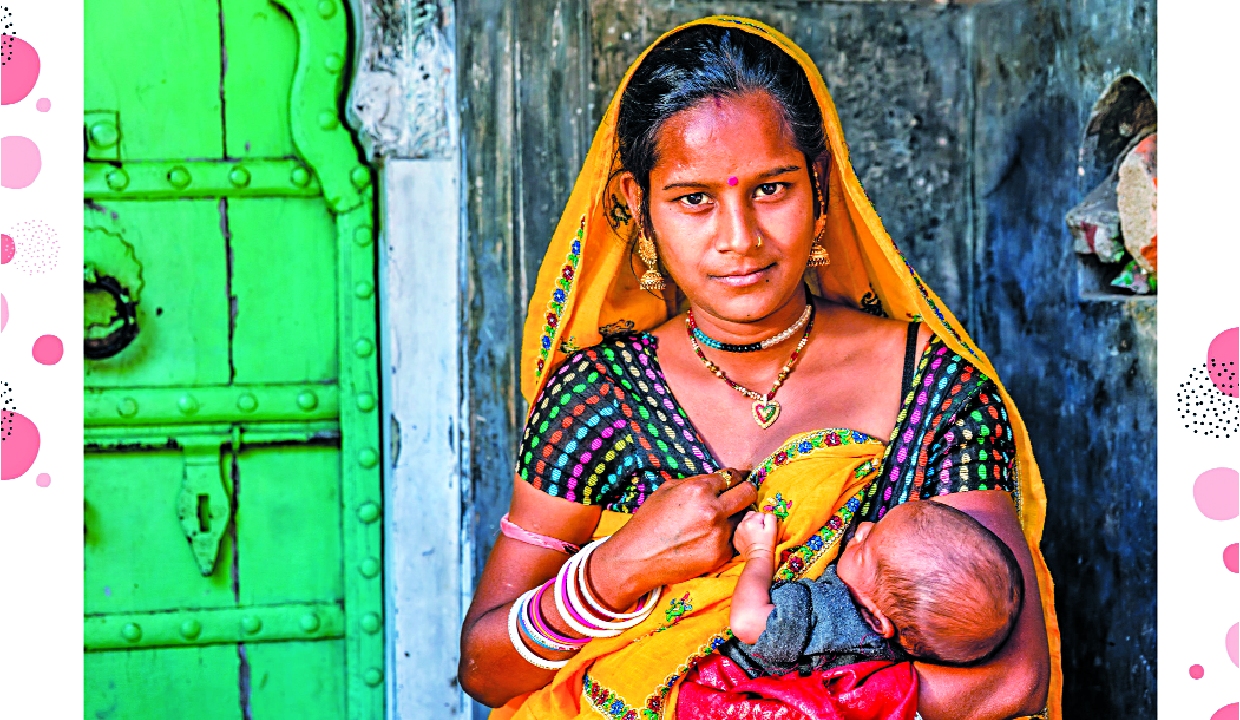
Four in ten children are underweight in Madhya Pradesh, according to the latest National Family Health Survey (NFHS-6). Parvati Bhabhar, a resident of Ratlam's Ghodakedha village in Madhya Pradesh, is relieved her son is no longer one of them. However, she knows that he had a lucky escape.
Had she not registered with Sneha, an initiative to improve the health and nutrition of women and children, implemented by the Centre for Health Education, Training and Nutrition Awareness (CHETNA), a non-profit, she would have remained ignorant about her anaemia and its impact on her underweight newborn. Neither would she have known how to turn their health conditions around.
Parvati had returned to work as a daily wage labourer soon after giving birth, just as she had done in the cases of her previous two children, without paying much attention to either her own nutrition or that of her third child. She had neither time nor the energy, as she always felt tired, for exclusive breastfeeding for his first six months, an imperative for his well-being and growth, particularly as he was an underweight baby.
One of the reasons identified by NFHS for the increase in the percentage of underweight children in MP from 33 per cent to 39.7 per cent is the weak focus on the first 1000 days beginning from pregnancy to the child's second birthday, vital to the both physical and cognitive development. Further, NFHS-6 found that exclusive breastfeeding for the first six months had fallen to 56.4 per cent compared to 74 per cent (NFHS-5) and only 12 per cent of children aged six to 23 months received a minimum acceptable diet.
Fortunately for Parvati and her son, CHETNA was conducting a survey on nutritional anaemia in her village as a part of their Sneha initiative, focusing on improving maternal and child nutrition in the first 1000 days from conception to a child's second birthday in 25 villages in Ratlam district. While assessing the health and nutrition of pregnant, lactating and newly married women as well as children in the 0-2 age group, they found Parvati anaemic with her haemoglobin at just 9.5g/dL and her one -year-old son showing early signs of malnutrition, weighing just 6.8 kg.
Evidence indicates that infants born to anaemic mothers often have lower iron stores at birth. According to NFHS-6, only 39.6 per cent of women took iron-folic acid tablets for 180 days or more during pregnancy, indicating inadequate maternal nutrition. Maternal malnutrition and poor breastfeeding practices contribute to adverse pregnancy outcomes and have lasting effects on a child's growth and cognitive development.
But focused attention can make a difference, as shown by CHETNA. Using its four decades of experience on working on the health and nutrition of women and adolescents. CHETNA was able to develop strategies to improve both Parvati's and her child's health using targeted interventions in collaboration with the local frontline health workers (AWWs, ASHAs and ANMs) and sustained follow-up efforts by its committed Sneha team.
One of the reasons why the programme has been able to reach out and impact so many women and their young children is because it has smartly used multi-pronged strategies that have demonstrated effectiveness in CHETNA's earlier nutritional interventions.
These include early identification of nutritional risks and, timely monitoring, including arranging for blood transfusions and follow-up of pregnant women, lactating mothers, and children under two years of age. Organising regular health check-up and growth monitoring camps for children less than two years to enable early detection of growth faltering and anaemia risk helped facilitate timely referrals, iron supplementation, and nutrition counselling, contributing to the prevention of anaemia during early childhood.
By conducting structured home visits and group meetings to promote early antenatal care registration, adherence to iron folic acid supplementation, they were able to make families, especially women and their mothers-in-law, aware of good breastfeeding practices, appropriate complementary feeding, and dietary diversity.
Importantly, the rapport built enabled counselling and integration of gender-sensitive messaging to address traditional practices of women eating last and the least. To support improved nutrition at home, CHETNA distributed nutrition kits to mothers.
These kits included dates, ghee pouches, peanuts, and drumstick leaves. Mothers were also given demonstrations and iron-rich recipes using these ingredients to improve nutrition.
The good news is that Parvati and her child are not the only ones to benefit. Over 375 pregnant women and 1000 lactating mothers with children in the 0-2 age group registered under the Sneha programme are learning about their nutritional anaemia and how they can improve their health and that of their young children with simple behavioural and dietary changes and better feeding practices.
Many of the women are, like Parvati, no longer anaemic and their children have shown steady weight gain and growth, underlining how a collaborative effort can make the difference between life and death.
The writer is journalist writing on development and gender; Views presented are personal.