India’s climate defence begins at the doorstep
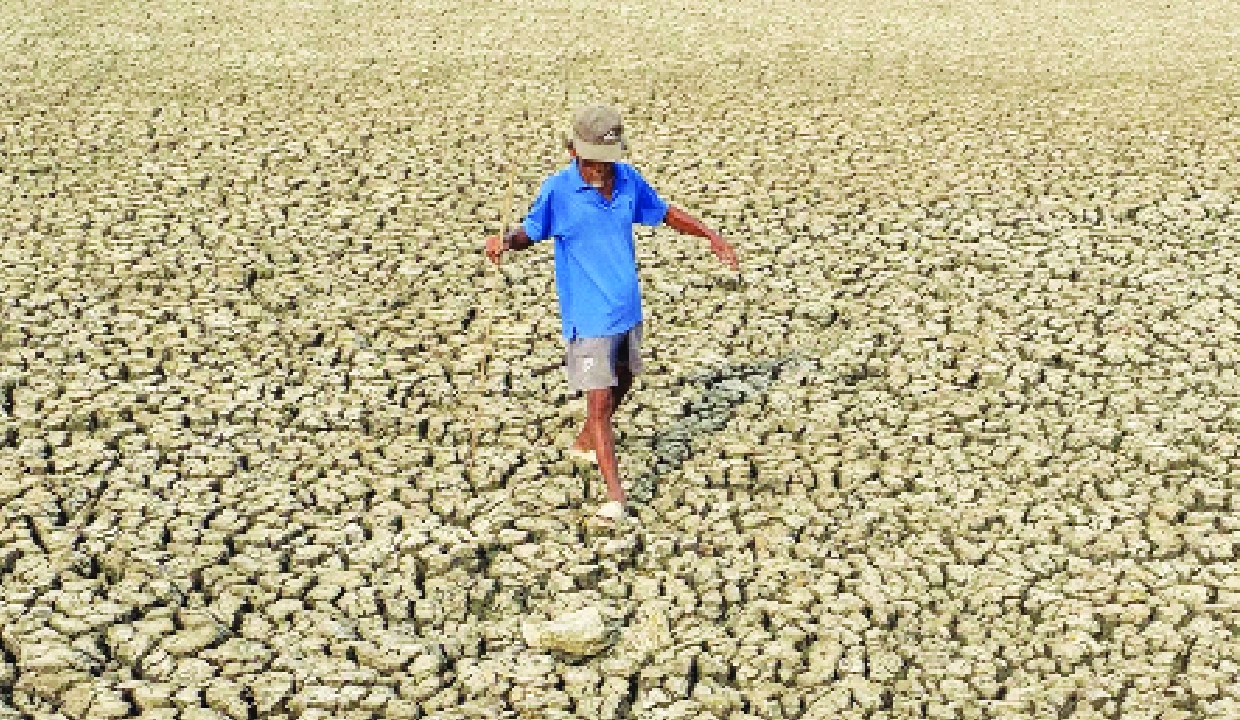
El Niño, a tongue-twisting Spanish term from faraway Pacific waters, is quietly shaping how we sweat in Delhi, sow in Vidarbha and shop for coolers in Jaipur. It is not the sole author of our heatwaves and erratic rains, but it is a powerful co-writer in the climate story now unfolding across India. And here lies the real question this phenomenon poses to us: will India merely endure El Niño as a passive victim of Pacific moods, or will it convert this recurring stress test into a citizen-led movement for climate resilience?
At its core, El Niño is a natural climate pattern in which warm surface waters that normally sit near Indonesia spread eastwards across the Pacific, altering the position of jet streams and monsoon-like circulations far beyond the ocean itself. It does not create every extreme event on its own, but it amplifies an already warming world, loading the climate dice towards more intense heat and more erratic rain.
For India, this is never an abstract statistic. Because large sections of our agriculture remain rain-fed, a weak or delayed monsoon translates swiftly into crop stress, falling yields, rural distress and pressure on food prices. Our cities, concrete-heavy and tree-light, add the urban heat island effect on top of El Niño-linked heat, straining power grids and, when that demand is met through coal, feeding the very warming that will worsen the next heatwave. It is a vicious cycle. But it is also, crucially, a cycle in which citizens are not bystanders but participants who can choose which direction to push it.
India cannot switch off El Niño; it is a rhythm of the planet, not a policy failure. What India can do is refuse to let it remain someone else’s problem — a matter for meteorologists, ministries and models alone. The most durable defence against a Pacific-born disruption is not a satellite in orbit but a citizen in a colony, a village, a school, deciding that resilience begins at the doorstep.
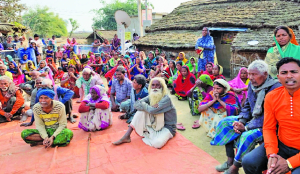
This is where the idea of a citizen climate movement becomes not a slogan but a necessity. Resident welfare associations and ward committees can convene short “climate sabhas” ahead of forecast heatwaves or weak monsoons, mapping who among them — the elderly, outdoor workers, the urban poor — needs shade, water or shelter first. Panchayats, already custodians of tanks and commons, can revive the discipline of protecting village ponds and water bodies rather than waiting for the next drought to rediscover their worth. Schools and colleges can turn tree-planting from an annual ritual photograph into a tracked, owned responsibility, where each sapling has a name and a guardian.
Households, too, are frontline institutions in this movement. Fixing a leaking tap, harvesting rooftop rainwater, choosing a ceiling fan over an air-conditioner where possible, and reserving high-energy cooling for genuine need are not small gestures; multiplied across a billion-plus people, they are climate policy in their own right. India’s civilisational memory already supplies the vocabulary for this restraint. The Ayurvedic idea of ritucharya - living in step with the seasons - and the Bhagavad Gita’s counsel of balanced consumption and action for “the welfare of the world” are not museum pieces; they are ready-made ethics for a citizen who wants to act rather than merely worry.
Media professionals, teachers and youth groups have a particular duty here: to translate El Niño from a remote meteorological curiosity into a clear, local call to action - on WhatsApp groups, community radio and morning assemblies — without tipping into alarmism or, worse, apathy. A citizen who understands why the mango crop is late or why the reservoir is low is a citizen more likely to conserve water in July rather than panic in May.
The Pacific will keep swinging between El Niño and La Niña; that is not in Indian hands. What is entirely in Indian hands is whether each heatwave and each weak monsoon is met with organised, local, citizen-driven preparation — or with the same startled scramble as before. The next El Niño need not be a rehearsal for catastrophe. It can be the moment India proves that a civilisation built on the wisdom of living with nature can also lead the world in the discipline of acting on it, one household, one ward, one village at a time.
The writer is a Media and Communication Officer in the Press Information Bureau, Government of India; Views presented are personal.