The NE’s drug menace needs a coordinated war
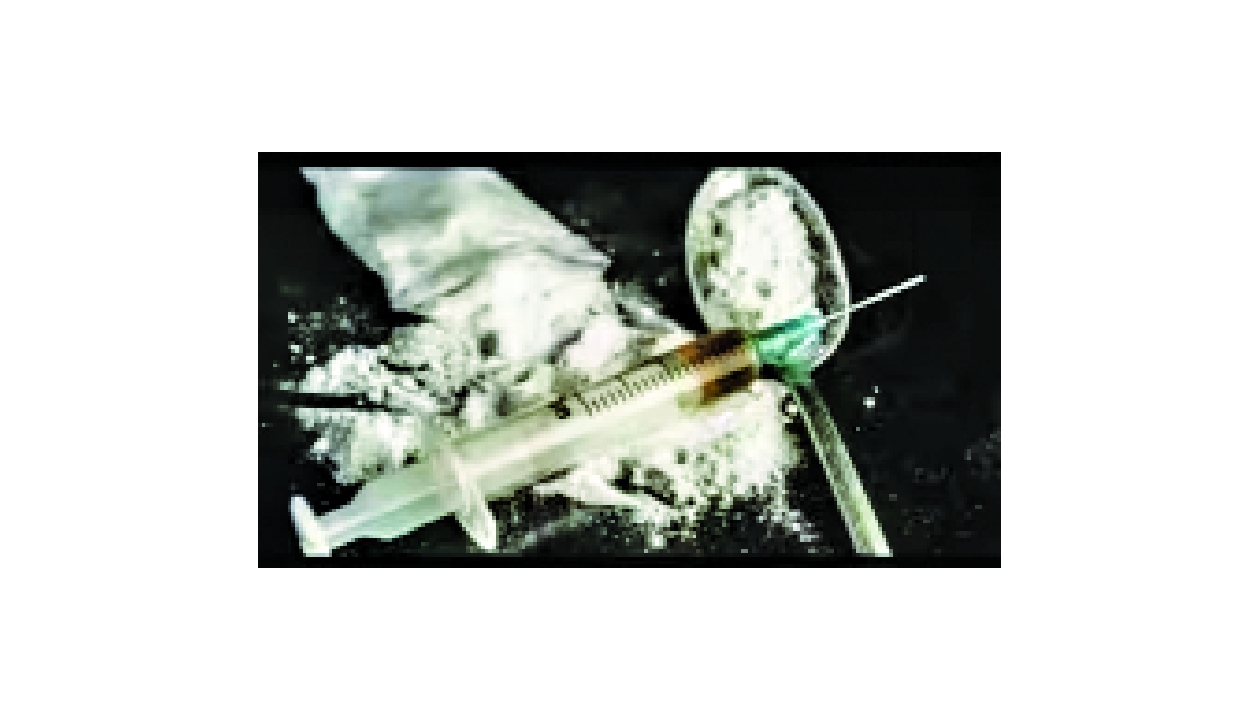
The seizure of 5.60 lakh Yaba tablets weighing nearly 60 kg and valued at more than Rs 168 crore in Assam’s Cachar district is not merely another narcotics seizure. It is a warning about the rapidly evolving drug trafficking landscape in the Northeast. Assam Rifles, in coordination with the Directorate of Revenue Intelligence (DRI), Silchar, recovered the consignment from the Jujhang Pahar area of Lakhipur during a joint operation on Wednesday (August 26). A suspected drug peddler was arrested, and a truck allegedly used for transporting the contraband was seized. According to officials, the consignment is suspected to have originated in neighbouring Manipur and was being transported towards Assam through the Imphal-Jiribam National Highway. Preliminary assessment suggests that Cachar and Sribhumi were being used as transit corridors for moving narcotics towards mainland India.
Assam Chief Minister Himanta Biswa Sarma recently highlighted the changing nature of the trafficking routes. Speaking to the press in New Delhi on Wednesday (August 26), he said drug traffickers were constantly looking for new corridors to move contraband.
“For a long time, drugs were coming through Moreh. Now a new corridor has emerged from Myanmar through Changlang to Tinsukia,” Sarma said. He also pointed to the earlier use of the Mizoram-Myanmar and Manipur-Myanmar routes, while noting that the Arunachal Pradesh-Myanmar border had not previously emerged as a major route for narcotics. This changing pattern should concern policymakers. A successful operation can disrupt a particular route, but it does not necessarily dismantle the network behind it. The Northeast, therefore, needs to be viewed not as a collection of separate state-level drug markets and routes, but as a single interconnected trafficking ecosystem.
The latest seizure comes amid a series of significant narcotics recoveries in Assam in recent weeks. Earlier this month, Guwahati Police seized 1.4 lakh Yaba tablets and 10 packets of heroin, collectively valued at around Rs 39.4 crore, from a truck near the city’s Inter-State Bus Terminal. Two persons were arrested. Cachar has also witnessed repeated seizures. On August 21, police recovered around 70,000 suspected Yaba tablets weighing about 7.6 kg from a rented premises in South Krishnapur and arrested two brothers. The Narcotics Control Bureau has also recently reviewed the seizure of 80,000 Yaba tablets in Sribhumi, along with other major drug cases in Assam. Taken together, these seizures indicate both the scale of the challenge and the growing importance of Assam as a transit state. The response now needs to go beyond individual seizures and arrests. Assam, Manipur, Mizoram, Nagaland, Arunachal Pradesh, Tripura and other northeastern states must work within a common anti-narcotics framework, with the Centre and central enforcement agencies providing institutional and technological support. Information about a suspected consignment intercepted in one state should immediately reach police and enforcement agencies in neighbouring states. Similarly, details of known traffickers, vehicles, financiers, safe houses and distribution networks should be shared through a secure, real-time intelligence mechanism. A permanent Northeast anti-narcotics coordination mechanism could bring together state police forces, the Narcotics Control Bureau, DRI, Assam Rifles, the Army, border-guarding forces and other relevant agencies. Such a mechanism should maintain an integrated intelligence grid, identify emerging routes, track repeat offenders and coordinate operations that cross state boundaries.
The emphasis also needs to shift from simply recovering drugs to dismantling the financial infrastructure that sustains trafficking. Every major consignment involves money: financing, procurement, transportation, payments to couriers, local distribution and the laundering of proceeds.
Significantly, Guwahati itself hosted the two-day BRICS Heads of Anti-Drug Agencies Meeting on July 6-7, 2026, bringing the international dimension of the narcotics challenge directly to the Northeast. The summit concluded with the adoption of the Guwahati Declaration, committing member nations to deeper operational cooperation and joint action against organised transnational drug crime. The declaration underscored the importance of timely intelligence sharing, stronger operational cooperation, technology-driven enforcement and coordinated efforts against emerging threats, including synthetic drugs and new psychoactive substances. The significance of the meeting goes beyond its diplomatic symbolism. Drug trafficking is inherently transnational. A consignment can originate in one country, cross several borders, pass through multiple states and eventually reach consumers thousands of kilometres away. No single police force or country can effectively tackle such networks alone.
The Guwahati Declaration should therefore translate into practical mechanisms for information exchange, joint investigations, capacity-building and coordinated action against trafficking syndicates. For the Northeast, this international cooperation is particularly important because of the region’s proximity to Myanmar and the wider Golden Triangle, one of the world’s major areas associated with illicit drug production and trafficking. At the same time, enforcement alone cannot win the war against drugs. Every seizure prevents a quantity of narcotics from reaching the market, but the demand that sustains trafficking must also be addressed. Governments need to strengthen awareness programmes, particularly among young people, while ensuring accessible treatment, rehabilitation and reintegration services for those affected by substance dependence. Schools, colleges, families, civil society organisations and local communities must become partners in prevention. Communities located along vulnerable border and transit areas can also play an important role in identifying suspicious activity and supporting law enforcement. The objective should be to create an environment in which traffickers find it increasingly difficult to operate while vulnerable individuals have access to support before addiction becomes entrenched.
The Northeast’s strategic location has made it vulnerable to international trafficking networks. But the same geography can also make it India’s first line of defence against the narcotics trade.
The Rs 168-crore Yaba seizure in Cachar should therefore be treated as a call for a larger, coordinated response. The repeated movement of large consignments through the region shows that the challenge is systemic and cannot be addressed by isolated operations. The Centre and the northeastern states need a unified action plan combining intelligence sharing, coordinated enforcement, financial investigations, border surveillance, technology and prevention. The message from the BRICS meeting in Guwahati is equally relevant at the regional level: criminal networks do not respect borders, and neither should the cooperation of those fighting them.
The writer is Deputy Director, Assam Information Centre, New Delhi; Views presented are personal.