When history returns in the same tone
Our holiday in Poland was filled with laughter and companionship. Yet, interspersed were moments that were far more sombre.
We walked through the Jewish quarters and the remnants of the ghettos in Warsaw. These were not just places on an itinerary; they were spaces that demanded silence, reflection. At the start of a walking tour in Warsaw, our guide made a statement. The events, she said, could not possibly be condensed into two and a half hours. It was easy to reduce history to simple binaries-to label all Germans as perpetrators, or to question why Polish citizens did not stand up for their Jewish neighbours.
Then she asked us to pause and imagine a world where offering shelter to a persecuted individual could invite death-not only for oneself, but for one’s entire family. Imagine the weight of that choice, and in that moment history moved away from abstraction and became something far more human, and far more complex.
At the end of the walk, she left us with another thought that was even more unsettling. If one were to read the speeches of Hitler and his followers, and then listen to certain global leaders and their supporters today, one might find an uncomfortable familiarity in that language. It is not identical, but it echoes, and that echo is both uncanny and deeply disturbing.
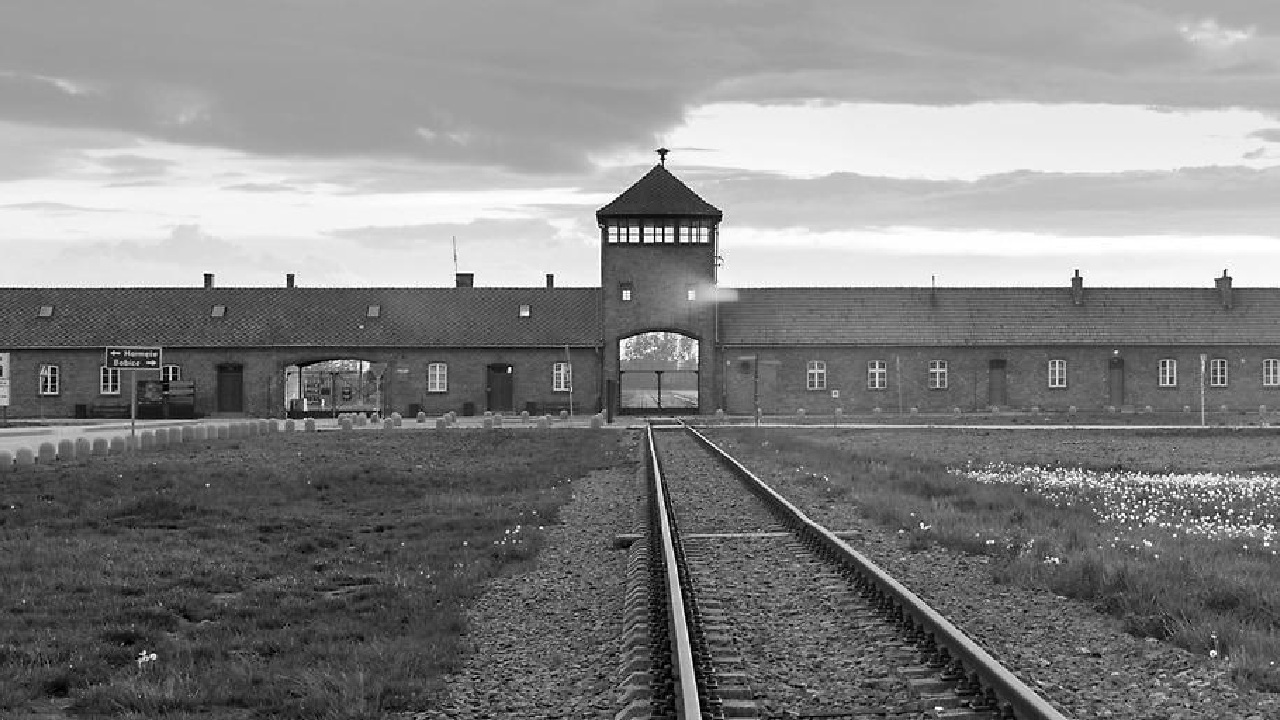
The visit to Auschwitz-Birkenau from Krakow was heavier still, and there are no words that can fully capture what one feels walking through those grounds. The scale of suffering defies comprehension-men, women, children, no distinction, no mercy. The structures remain, but what lingers is not just history; it is the evidence of what human beings are capable of doing to one another.
Our young guide spoke with a voice that often faltered under the weight of what she was recounting. At one point, she said something that cut through all detail and stayed as a simple, stark truth: that much of what happened there was rooted in hatred-of one race against another.
And then came the question, unspoken but unavoidable: if we cannot find it within ourselves to let go of our prejudices, then who are we? It is perhaps this question that travels with us long after such visits end, especially when one reflects that these events unfolded less than a century ago. Not in some distant, unrecognisable past, but within a timeline that still touches our present. One would have hoped that such history would have firmly anchored us in a commitment to a more humane future, that it would have sharpened our ability to recognise the early signs of division and hatred.
And yet, as one listens more closely to the world around us, there are moments when the language begins to sound familiar again. History does not always repeat itself in the same form, but it often returns in the same tone. And perhaps what matters most is not that we remember what happened, but that we recognise when it begins to happen again. Remembrance is not enough. It must be accompanied by vigilance-an awareness of the words we use, the silences we accept, and the prejudices we allow to persist within us.
History may belong to the past, but its warnings are always addressed to the present. And if there is to be hope for the future, it will lie not in what we have seen, but in what we choose to refuse, resist, and rise above.
The writer is founder of Kala - Krazy About Literature And Arts, is an author, speaker, coach, arbitrator, and strategy consultant ; views are personal