Trump vs Pope Leo XIV: A clash of power and faith
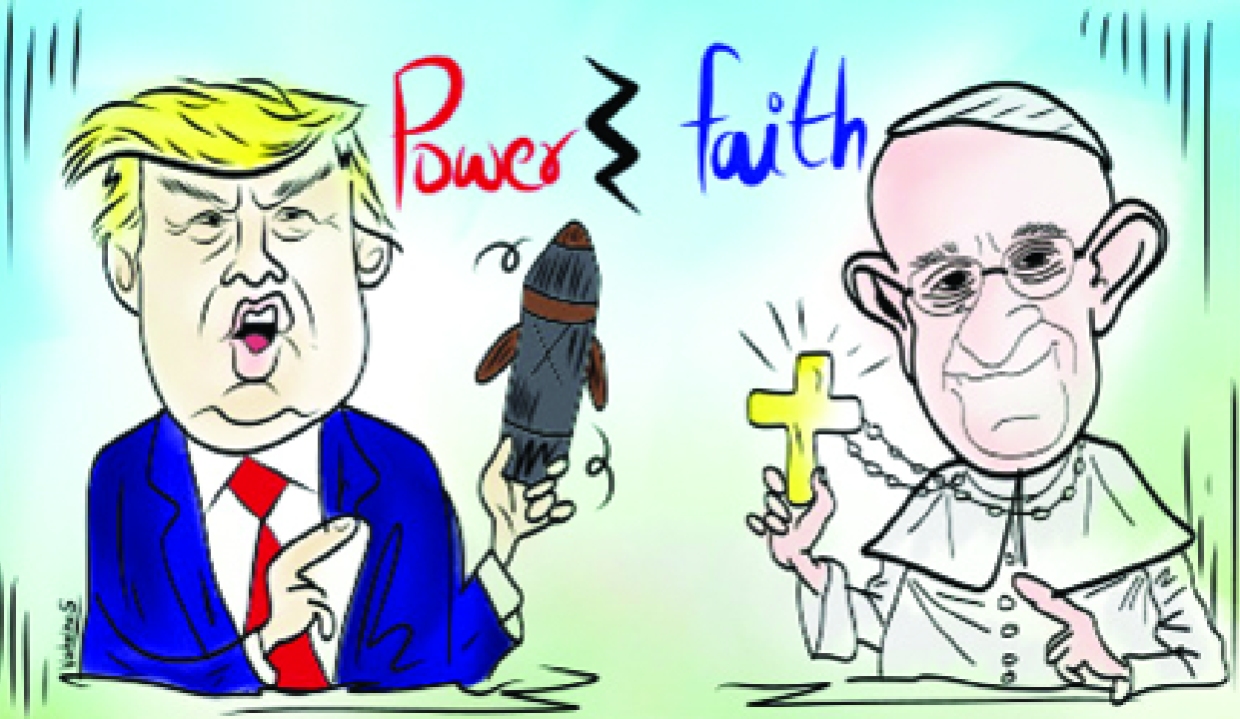
For millions of Catholics, the clash is not merely political theatre; it is a test of allegiance between temporal power and spiritual authority, unfolding at a moment when both seek to shape the moral language of global conflict
The conflict between President Donald Trump and Pope Leo XIV is unprecedented. While popes have commented on politics before, Trump’s personal insults towards the Pope are unusual. Although reports suggest his tone has softened, his discomfort is still clear.
In 250 years of US history, no president has personally attacked a pope. Such public disagreements create only confusion.
Trump publicly condemned Pope Leo XIV after the Pope criticised the actions of the US and Israel regarding Iran. This marked a significant confrontation.
The conflict between President Trump and Pope Leo XIV is unprecedented in modern history, highlighting a rare clash that blends political power with religious symbolism, which can deeply influence public opinion and faith communities.
Trump said, “I have a right to disagree with the Pope.” He claimed, “The Pope made a statement saying ‘Iran can have a nuclear weapon.’ I say ‘Iran cannot have a nuclear weapon,’” although a reporter noted that Pope Leo has not made such remarks publicly.
Pope Leo expressed that he had “no fear of the Trump administration” and would continue to speak out about God’s message.
Catholics, as the largest swing voting group, are affected by this dispute, which could influence their voting decisions and shape future election outcomes. Tensions peaked during Holy Week, further shaping public opinion and underscoring their stake in the conflict.
Trump also criticised the conclave, arguing that Leo was “selected” by the Church to “match Trump’s presence.” Shortly after, Trump shared an AI-generated image of himself as Christ healing the sick, but later deleted it, saying it was to show him “as a doctor.”
All the major cardinals and bishops who made statements are supporting the Pope and criticising Trump. The President’s approval rating among white Catholics dropped from 59% in February 2025 to 36% in January 2026, and among Hispanic Catholics, it fell from 31% to 23%.
Tensions rose when Trump accused Pope Leo of being “weak on crime and ineffective in foreign policy,” likely in response to calls from Catholic leaders for more compassion in his immigration policies. Trump claimed Leo supported Iran’s nuclear ambitions and intensified his attacks on social media, stating, “Will someone please tell Pope Leo that Iran has killed at least 42,000 innocent, unarmed protesters in the last two months?”
Earlier, many popes have criticised political leaders, though this is rare. Pope Leo has called for peace and has publicly opposed the ongoing US-led war against Iran. It is unclear why Trump claims that Leo supports nuclear weapons in Iran.
Pope John Paul II called for solutions to conflicts in the Middle East and Lebanon in 1979 while addressing the United Nations on human rights. In 2013, Pope Francis led a peace vigil for Syria and wrote to President Putin to oppose military actions. After a chemical attack in 2017 that killed about 70 people, he expressed his outrage and urged leaders to stop the violence, stating that he does not hear the prayers of those who wage war.
Pope Leo criticised leaders who waste billions on war, stating that the world is “being ravaged by a handful of tyrants.” These strong remarks were made during his visit to Cameroon, where he condemned those who misuse “the very name of God” for their own gain.
Pope Leo has been a strong critic of warfare in general, particularly condemning the combat operations launched by the US and Israel during their surprise attack against Iran on February 28. He also labelled Trump’s threat to destroy Iran’s “whole civilisation” as “truly unacceptable.”
This time, the discomfort is stronger. For devoted voters and religious community members, the matter is not just political; it also involves religious symbolism, which holds great importance. “I do not fear Trump,” said Pope Leo after the President called him “weak,” emphasising the resilience of faith amid political disputes.
On April 12, the President criticised Leo, saying he is “weak on crime” and “weak on nuclear weapons.” He also suggested that the Pope thinks it is acceptable for Iran to have a nuclear weapon.
On April 16, Trump spoke with the press about his disagreement with the Pope. He stated that he needs to do what is right. What does he have against the Pope? “It’s very simple, I have nothing against the Pope,” Trump claimed. “The Pope made a statement. He says, ‘Iran can have a nuclear weapon,’ I say, ‘Iran cannot have a nuclear weapon.’”
Leo told reporters on April 13, at the start of his Africa trip, “I will speak out against war and promote peace, dialogue, and multilateral solutions to conflicts.”
The Washington Post reports that the war in Iran is unpopular among Americans. This week, Democrats attempted to limit the President’s engagement, passing war powers resolutions in the House and Senate along mostly partisan lines, while Republicans opposed these efforts. Pope Leo XIV seeks to ease tensions with President Trump, stating on X that a “disciple of Christ is never on the side of those who once wielded the sword and today drop bombs.”
On April 12, the President criticised Leo, saying he is “weak on crime” and “weak on nuclear weapons.” He also suggested that the Pope thinks it is acceptable for Iran to have a nuclear weapon
The writer is popular columnist; Views presented are personal.