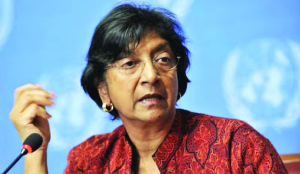
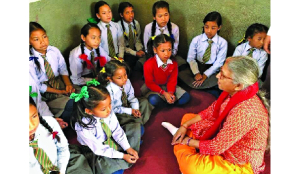
The new Bengal and my nationalist journey
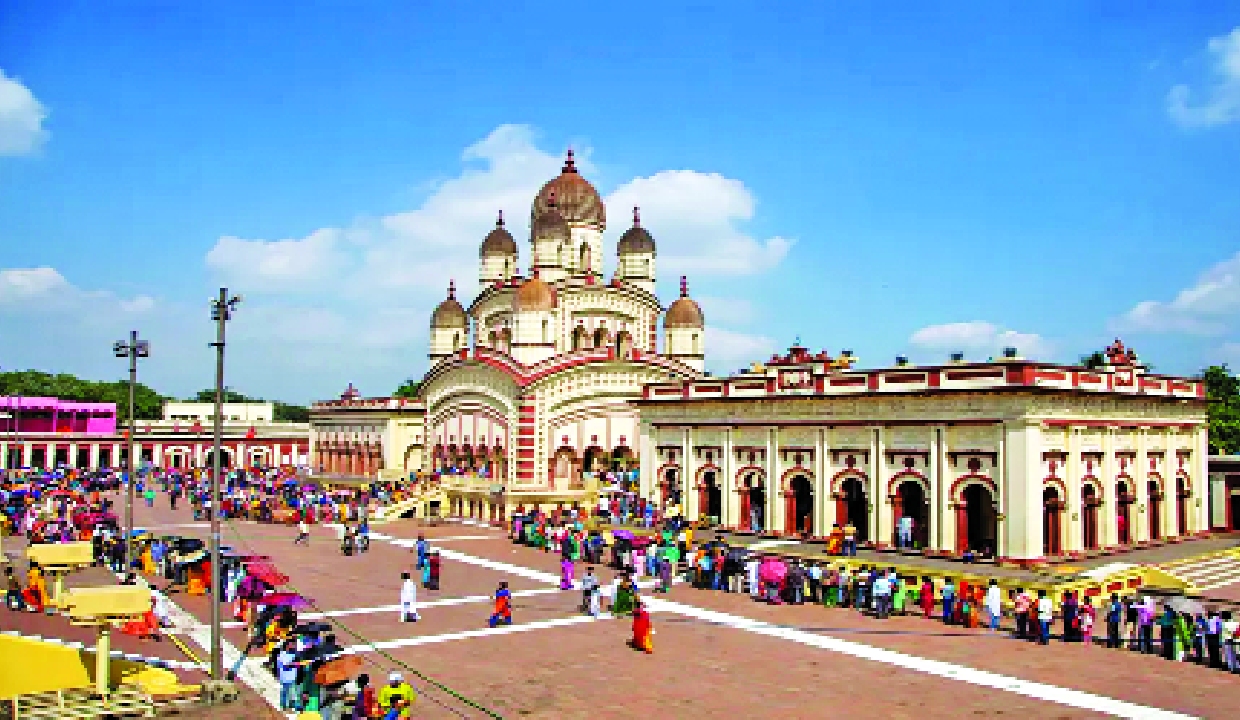
With courage, clarity and commitment to national interest, West Bengal can once again emerge as a beacon of culture, prosperity and civilisational confidence for the entire nation
Having spent more than five decades observing the social, cultural and political evolution of West Bengal, I feel compelled to share my concerns about the direction in which our beloved state has travelled. My journey began in Malda during my formative years at school and continued through my college days in Kolkata. Those experiences gave me an intimate understanding of Bengal’s rich civilisational heritage, its cultural ethos and its unique way of life.
I had the privilege of being closely associated with the late Bharat Ratna Pranab Mukherjee, former President of India, one of India’s finest statesmen and a son of Bengal whose unwavering commitment to national unity and democratic values inspired generations. His deep understanding of India’s civilisational roots and constitutional framework shaped many of my own views on public life.
Over the past half-century, I have witnessed profound changes in West Bengal. Many of these changes have been positive, including advancements in education, infrastructure and democratic participation. However, I have also seen developments that, in my view, have weakened the cultural foundations that once defined Bengali society.
One of the most significant concerns has been the large-scale migration from Bangladesh over several decades. While humanitarian considerations must always remain important, the absence of effective border management and the politicisation of migration have, in my opinion, created serious demographic, social and administrative challenges. The issue has often been discussed through partisan lenses rather than through the broader framework of national interest, social stability and the rule of law.
The consequences, as I have observed them, extend beyond the frontiers of electoral politics. They touch upon questions of identity, cultural continuity, employment, public resources and national security. Bengal’s indigenous cultural traditions, nurtured over the centuries, have gradually faced pressures that many ordinary citizens feel uncomfortable discussing openly.
I still remember a Bengal where bhajans, kirtans, local festivals and community gatherings formed an integral part of social life. These traditions were not merely religious practices; they were expressions of Bengali civilisation and cultural harmony. They represented the values of tolerance, learning, spirituality and community bonding that shaped generations of Bengalis.
Today, many people feel that these traditions no longer enjoy the same prominence in public life. There is a growing perception among sections of society that political appeasement and vote-bank considerations have overshadowed the preservation of Bengal’s rich cultural heritage. Whether one agrees entirely with this assessment or not, it is undeniable that concerns about cultural identity have become a major topic of public discussion across the state.
In my view, political responsibility for this situation is shared by multiple forces that have governed Bengal over the decades. The Communist regime presided over a period marked by ideological rigidity, industrial decline and the weakening of entrepreneurial spirit. The flight of industries from Bengal resulted in the loss of countless employment opportunities for young people.
The subsequent Trinamool government promised change but often continued many of the same political practices. The culture of patronage, political violence, extortion and administrative politicisation became increasingly entrenched. The promise of economic revival remained largely unfulfilled, while unemployment continued to push talented young Bengalis to seek opportunities outside the state.
The cumulative impact has been deeply troubling. Many districts that once had thriving economic activity now struggle to provide adequate opportunities for their youth. The gap between Bengal’s immense intellectual potential and its economic performance has widened. A state that once led India in industry, education and culture has found itself lagging behind many others in investment, manufacturing and job creation.
The people of West Bengal have also endured decades of political conflict. From the dark and lamentable era of ultra-left and Maoist violence in certain regions to recurring incidents of political intimidation and social polarisation, ordinary citizens have often paid the highest price. The peace-loving Bengali, who traditionally valued education, culture and social harmony, has frequently found himself caught between competing political interests.
Another concern frequently voiced by citizens is the issue of religious conversion and the perceived erosion of traditional social structures. These are sensitive matters that require careful and balanced discussion. However, it is important that public institutions protect both individual freedoms and the cultural rights of communities that have historically contributed to Bengal’s identity.
The current political atmosphere in West Bengal reflects the accumulated frustrations of many citizens. The growing demand for accountability, development, employment, security and cultural confidence is not an isolated phenomenon. It is the result of years of accumulated grievances and unmet aspirations.
It is in this context that I arrived at an important personal and political decision. After long and laboured reflection, I concluded that Bengal required a renewed commitment to nationalism, development, cultural self-confidence and good governance. I believe that the nationalist movement led by Prime Minister Narendra Modi has articulated many of these aspirations in a manner that resonates with large sections of the population.
My inclination to associate myself with this broader nationalist movement is rooted not in narrow political expediency but in deep and abiding conviction. I believe that India’s unity, integrity, security and development must remain paramount. I also believe that Bengal can reclaim its historic role as a leader in national life by embracing economic growth, transparent governance, cultural pride and social cohesion.
This is not a call for division. It is a call for renewal. It is a call to preserve the best of Bengal’s traditions while preparing confidently for the future. The Bengal of Swami Vivekananda, Rabindranath Tagore, Bankim Chandra Chattopadhyay, Subhas Chandra Bose, Syama Prasad Mookerjee and countless other luminaries deserves a future worthy of its extraordinary heritage.
The task before us is immense, but so is the strength of the Bengali people. With courage, clarity and commitment to national interest, West Bengal can once again emerge as a beacon of culture, prosperity and civilisational confidence for the entire nation. Here, I am irresistibly emboldened to strike a note of optimism by drawing upon the words of Pranab Mukherjee, uttered on March 7, 2010: “I am confident that although the state has temporarily fallen somewhat behind, it will regain its lost glory and earn its due respect.”
A state that once led India in industry, education and culture has found itself lagging behind many others in investment, manufacturing and job creation
The writer is a former Member of Parliament, Rajya Sabha; Views presented are personal.