BJP’s generational reset without changing the core
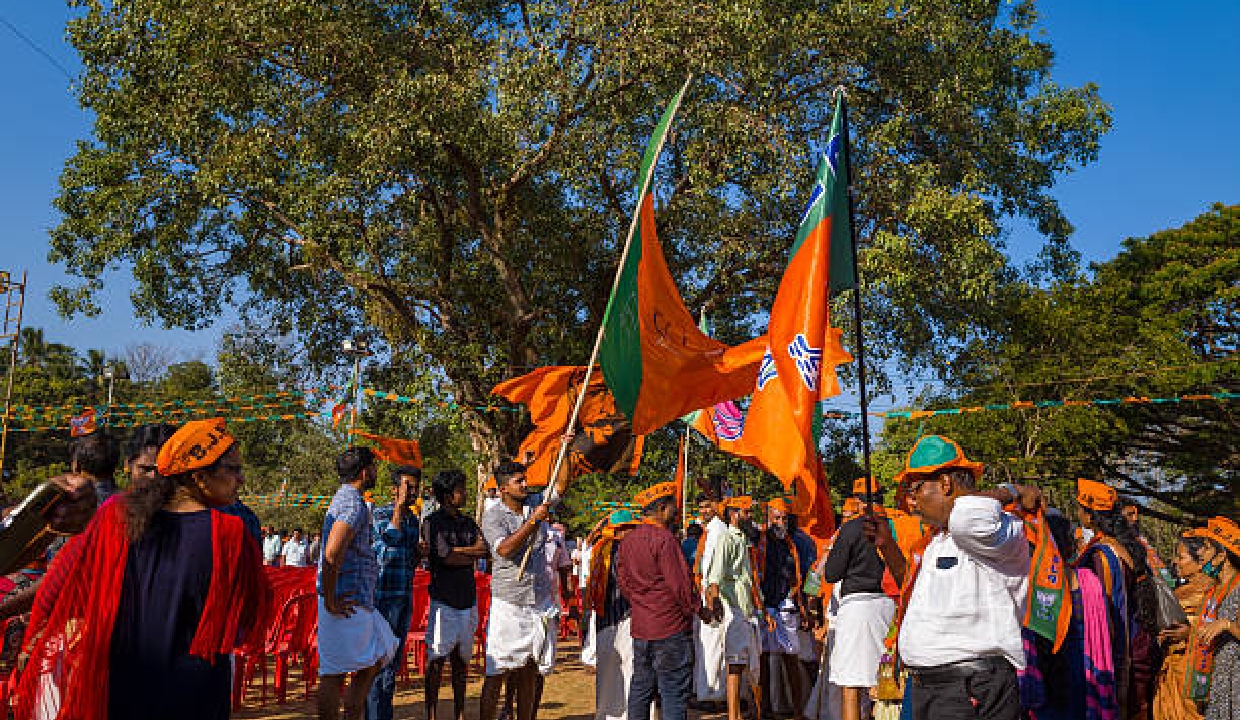
The BJP’s new national team is less a rupture than a carefully calibrated reset. Of the 65 office-bearers announced under party president Nitin Nabin, 51 are new faces. The list includes 13 vice-presidents, eight general secretaries, 16 secretaries and a reworked media and social-media apparatus. Yet the retention of BL Santhosh as general secretary (organisation) — one of the party’s most powerful posts—makes clear that continuity remains as important as change.
With crucial Assembly contests approaching and the 2029 Lok Sabha election already shaping organisational calculations, the BJP needs a team capable of managing states, social coalitions and campaign narratives simultaneously. Uttar Pradesh receives particular attention, while experienced leaders such as Vasundhara Raje Scindia, Piyush Goyal and Ram Madhav provide political weight. Smriti Irani’s return as a general secretary adds a forceful communicator with a strong public profile.
But the most important backdrop is not merely electoral. It is the widespread youth anger expressed through recent protests over examination irregularities, paper leaks, unemployment and institutional accountability. The protests demonstrated that the new generation is not politically aligned with the BJP by default. Online reach, nationalism and welfare delivery may mobilise support, but they cannot substitute for credibility on jobs, education and opportunity.
The change in the social-media leadership — Deepak Mhaskey replacing Amit Malviya, who had occupied the post since 2015—is therefore significant. The BJP appears to recognise that its digital strategy cannot remain focused only on message amplification and partisan combat. The creation of additional social-media positions suggests an effort to make the party’s digital communication more distributed and responsive.
The message to the new generation is unmistakable: the BJP wants to look younger, more diverse and more technologically alert. The new team includes six members below 40 and 15 between 40 and 49, along with a notable presence of women and minority-community leaders. These numbers are intended to convey mobility within the organisation and to reassure younger voters that the party is not closed to generational change. The BJP has changed its personnel, its communication structure and, to some extent, its social signalling. What has not changed is the centralised decision-making model, the continuing influence of the RSS network and the reliance on a familiar ideological vocabulary. Santhosh’s retention confirms that the organisational core remains intact.
The new team, then, is an attempt to refresh the vehicle without changing its engine. Whether it succeeds will depend not on how many new names appear on the list, but on whether the party can convert generational anxiety into genuine political dialogue. The protests have shown that India’s youth are not merely an audience to be addressed. They are a constituency demanding to be heard. And the political party seeking their support must listen to them.