The gift that goes beyond giving
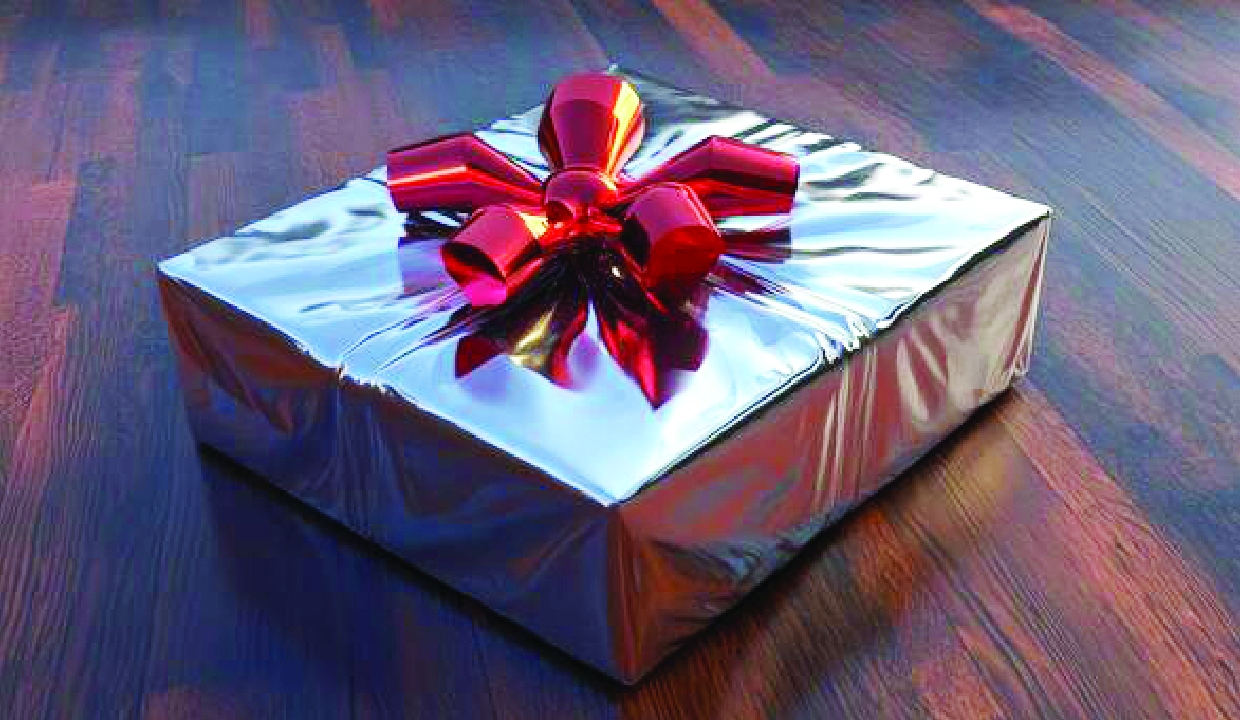
What if a gift could keep giving? Could it have a second life, an afterlife, long after the wrapping paper has been discarded?
I found an interesting answer at the PM Mementos E-Auction exhibition at the National Gallery of Modern Art recently. The gifts and mementos received by Prime Minister Narendra Modi include paintings, sculptures, handicrafts, religious objects and memorabilia from across India. But what interested me was not simply what they were, but what happens to them next.
They are documented, displayed and auctioned. The proceeds go towards Namami Gange. This year, 1,498 mementos have been put up for auction. Previous editions have raised more than `50 crore. “Apne uphaaron ka bhi upyog,” Culture Minister Gajendra Singh Shekhawat told me. Even our gifts can be put to use. “The idea is to create value for a very special cause,” he said, describing the Ganga as not merely a river but “jeevan ka aadhar”, the basis of life for millions.
There is something powerful in that journey. An object begins as a gift, acquires another layer of meaning through its recipient, finds another owner and ultimately creates value for an entirely unrelated cause.
Standing there at the beginning of the festive season, I wondered whether there was a larger lesson here. Diwali gifting has increasingly become an industry of excess. Bigger hampers, elaborate packaging, imported chocolates, candles, crockery and dry fruits move from office to home and often from one home to another.
We spend enormous energy deciding what to give and remarkably little wondering what happens to it afterwards.
Why should the life of a gift end with its first recipient? Pass it on. Auction it. Donate it. Repurpose it. If something sitting unopened in my cupboard can bring pleasure or value to somebody else, why should we feel embarrassed about giving it another life?
Better still, think about its consequence before buying it. Buy a handwoven textile and your gift supports a weaving tradition. Choose something made by an artisan and your festive budget becomes somebody’s livelihood. Gift a book and it may begin a conversation. Give an experience and there may be no packaging to discard. Donate in someone’s name and a person who already has everything doesn’t receive yet another thing.
A good gift need not be expensive. It should have meaning, utility or consequence.
We talk a great deal about the circular economy in the context of industry. Perhaps we need a circular economy of generosity too.
This Diwali, instead of only asking, “What should I give?”, ask another question: “What good can my gift do after I have given it?” Because sometimes the most valuable gift is the one whose value doesn’t end when it changes hands.
The writer is an author, podcaster and a Senior Fellow at the Ministry of Culture, Government of India; Views presented are personal.