Portrait of India’s changing middle class

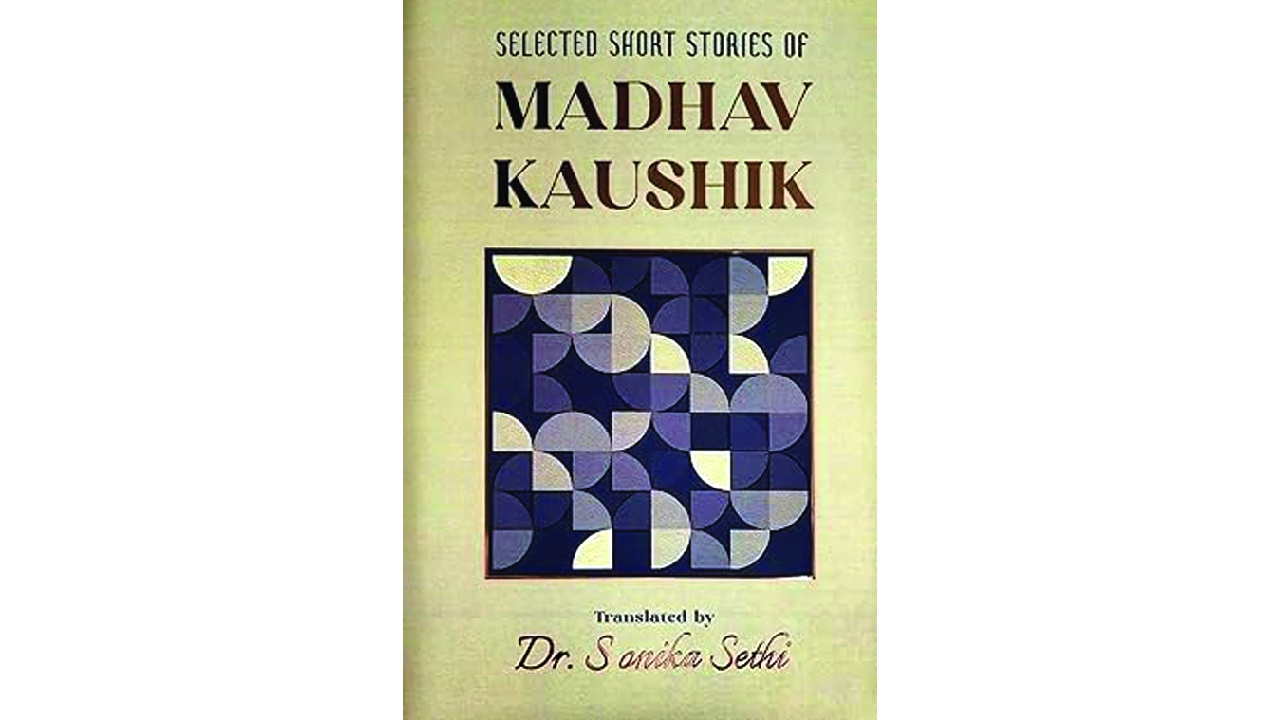
Selected Short Stories of Madhav Kaushik, translated into English by Sonika Sethi, brings together twenty-five stories by one of Hindi literature’s respected contemporary voices. Recently honoured with the Kala Ratna Award 2026 in the Short Story (English) category, the collection opens a thoughtful window into the emotional and social landscape of India’s middle class.
At the heart of Madhav Kaushik’s writing lies a deep engagement with the ordinary lives of people negotiating a changing society. His characters inhabit familiar settings-homes, offices, neighbourhood clubs, and public institutions — but the conflicts they experience are far from ordinary. Through subtle observation and psychological nuance, Kaushik explores loneliness, moral uncertainty, fading values, and the quiet resilience that allows individuals to carry on.
Many of the protagonists in these stories appear caught between past and present. They are reflective individuals who remember a time when relationships seemed simpler and social structures more stable. Yet they must navigate a contemporary world marked by rapid change, shifting expectations, and an increasing sense of isolation. Kaushik’s narratives capture this tension with remarkable sensitivity, revealing how nostalgia for the past often coexists with the pressures of the present.
A recurring motif across the collection is the transformation of the Indian middle class. Traditional bonds-family ties, neighbourhood connections, and institutional loyalties — are shown gradually eroding under the weight of modern aspirations and social mobility. Through everyday situations and quiet emotional moments, the stories depict individuals confronting disappointment, helplessness, and sometimes moral compromise. Yet beneath these tensions runs a persistent thread of human dignity and inner resistance.
At the same time, Kaushik demonstrates a sharp satirical edge. Stories such as FIR, The Option, Dangal, and The Officers Club introduce humour and irony into the narrative landscape. These pieces examine bureaucracy, authority, and the peculiar hierarchies of public life with a keen eye for contradiction. Through wit and understated satire, Kaushik exposes the hypocrisies embedded within institutions while maintaining empathy for the people caught within them.
What distinguishes the collection is its psychological depth. Rather than relying on dramatic plot twists, Kaushik allows emotional tensions to emerge gradually from the rhythms of everyday life. The stories unfold through reflection, memory, and subtle conflict, revealing the anxieties and aspirations that shape contemporary social existence.
Sonika Sethi’s translation plays a significant role in bringing these narratives to a wider readership. Her English rendering preserves the cultural texture, emotional cadence, and contextual nuance of the Hindi originals while maintaining clarity and readability. The translation succeeds in retaining the spirit of Kaushik’s storytelling without sacrificing accessibility for English-language readers.
Together, the stories form a reflective portrait of a society in quiet transition. Through understated storytelling and deeply human characters, Selected Short Stories of Madhav Kaushik invites readers to reflect on memory, change, and the fragile balance between tradition and modernity.