Witnessing Kazakhstan’s historic referendum
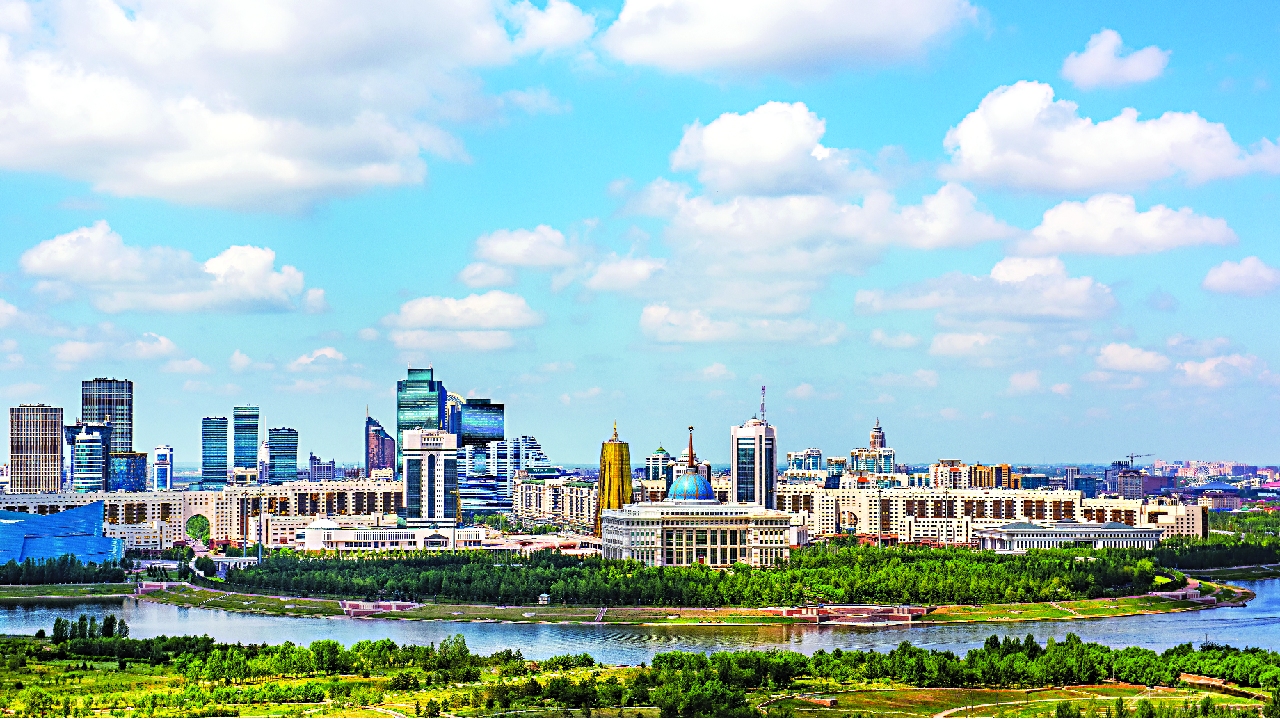
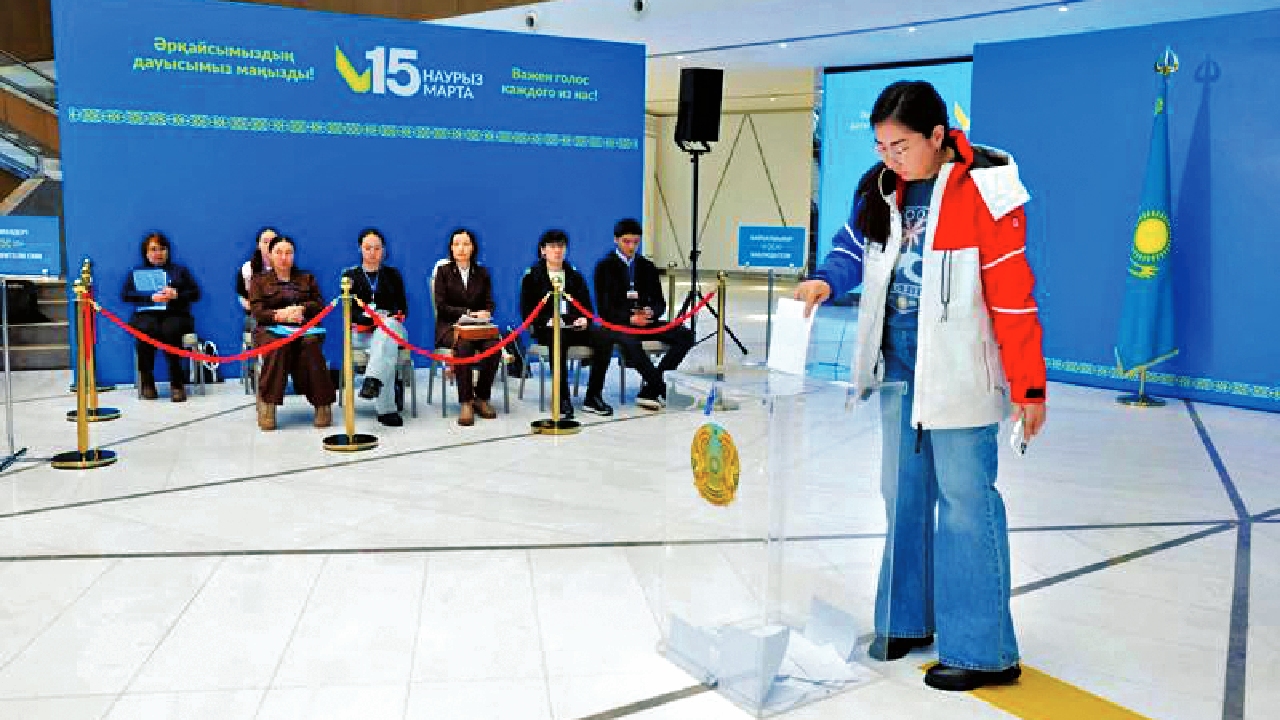
I returned soon after referendum over in Kazakhastan (Astana) from a long circuit of polling stations across Kazakhstan, carrying with me not just notes and numbers, but impressions of a nation at a crossroads. The chill of early spring lingered in the air as voters, many wrapped in heavy coats, queued patiently to cast their ballots. There was no frenzy, no overt tension — just a steady, deliberate rhythm that seemed to mirror the tone of the referendum itself, controlled, significant, and quietly consequential.
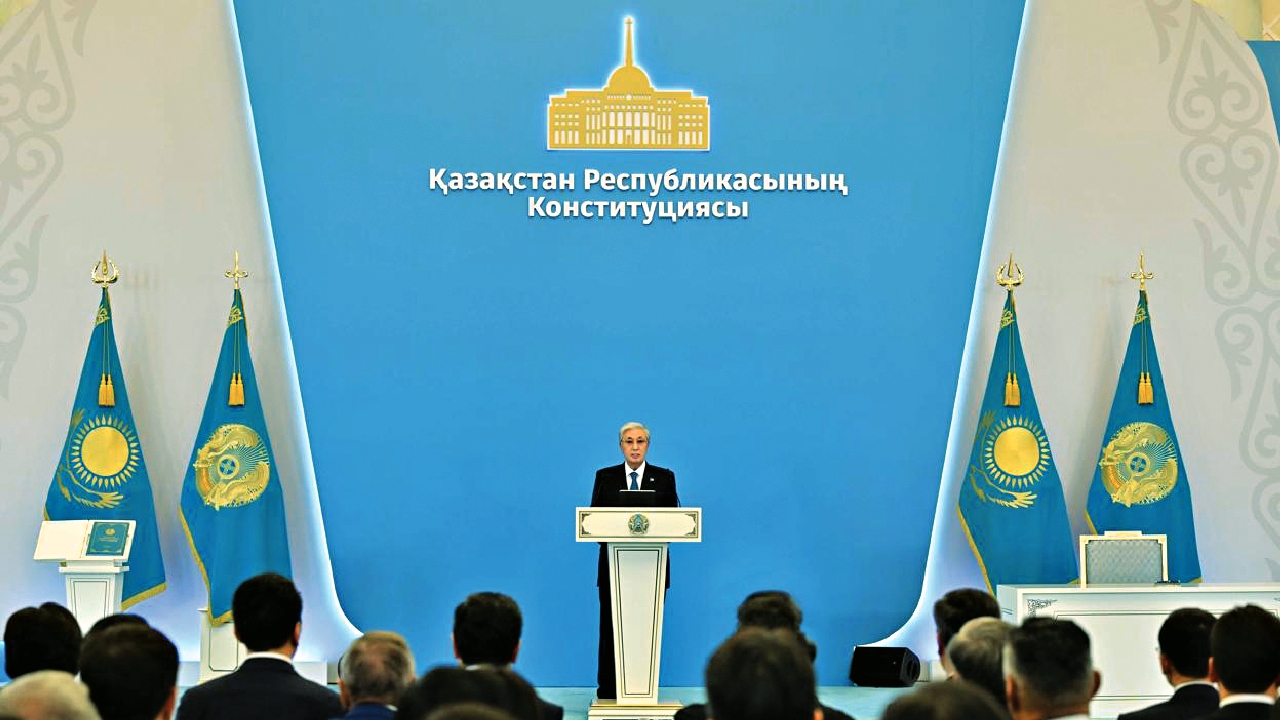
By the time the final ballots were counted, the outcome was no surprise. Preliminary figures from the Central Electoral Commission indicated that over 70 percent of eligible voters had participated, with nearly 90 percent endorsing a sweeping new constitution. Later that evening, President Kassym-Jomart Tokayev addressed the nation, declaring the vote a historic turning point. For the government, the message was clear: this was a decisive mandate for change.Yet on the ground, the story felt more layered.
What comes next
The new constitution is scheduled to come into force on July 1. Before that, the current parliament must pass enabling legislation, after which it will be dissolved. Fresh elections are expected later this year, marking the next phase of this political transition.
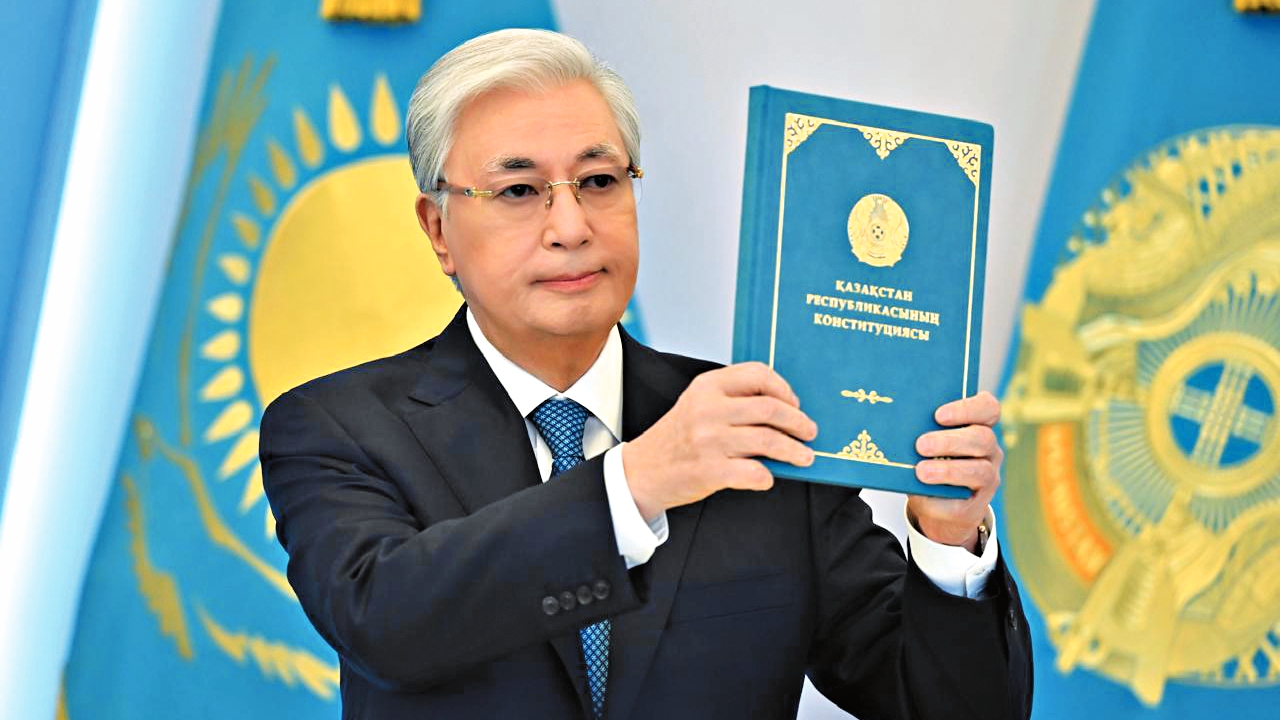
For now, the official narrative emphasizes unity, reform, and forward momentum. The numbers support that story. But numbers alone rarely capture the full complexity of political change.
As I prepared to leave the capital, I found myself reflecting less on the scale of the victory and more on its implications. Constitutions are not merely documents; they are living frameworks that shape how power is exercised and contested.Kazakhstan has, without question, entered a new chapter. Whether this chapter leads to institutional evolution or deeper centralisation will depend not on the text itself, but on how it is implemented.
From New Delhi, the referendum may appear decisive and orderly. On the ground, it felt more nuanced — a moment of transformation, certainly, but one whose true meaning will only emerge with time.For now, what remains is the image of those long, quiet queues, and the sense that history, even when it appears settled, often unfolds in ways that are anything but predictable.
Contrasts at the ballot, Kazakhstan and India
From the capital to smaller provincial towns across Kazakhstan, polling stations operated with a quiet, almost clinical efficiency. Election officials worked under bright fluorescent lights, carefully verifying identities and guiding voters through the process with minimal delay.
For an observer from India, the contrast was immediately striking. Indian elections are often defined by their scale and energy—long queues winding through streets, animated political discussions, and a palpable sense of competition. Here, there were no such extended lines. Instead, in the lingering spring chill, voters arrived in short, steady intervals. Small queues formed briefly and dissolved just as quickly, shaped as much by the cold weather as by the streamlined process.
Yet the absence of long queues did not signal disengagement. People still turned out, wrapped in coats against the cold, to participate in what was framed as a decisive moment for constitutional change. The atmosphere, however, remained subdued. Conversations were muted, and there was little of the charged intensity that typically accompanies elections in India.
Several voters expressed cautious optimism, speaking of stability and the importance of a strong state in uncertain times. Others, in quieter tones, acknowledged that the outcome felt largely predetermined. There was participation, certainly — but not the kind of visible contestation that defines democratic exercises in India. It is within this contrast — between participation and competition — that the deeper meaning of the referendum begins to take shape.
Redrawing the architecture of power
At the heart of the vote lies a fundamental restructuring of Kazakhstan’s political system. The new constitution significantly enhances presidential authority, granting the executive broader influence over key institutions.
Under the revised framework, the president will have expanded powers to appoint senior officials, including judicial and electoral authorities. These appointments will require approval from a newly restructured unicameral parliament, the Kurultai. However, if the parliament rejects nominees twice, it risks dissolution — a provision that effectively strengthens the president’s hand.
In such a scenario, the president would also gain the authority to issue decrees carrying the force of law, at least temporarily. Supporters argue this ensures governance continuity. Critics see it as a mechanism that tilts the balance of power decisively toward the executive.
Institutional shifts and political signals
The changes do not stop there. The constitution reshapes the legislature into a single chamber and introduces a new advisory body, the People’s Council, whose members will be appointed entirely by the president. While framed as a mechanism for broader consultation, its structure raises questions about independence.
The revival of the vice presidency — absent since the 1990s — is another notable feature. Though the role includes representing the country internationally and stepping in for the president when required, its precise powers remain loosely defined. In practice, much will depend on how the office is used — and by whom. Taken together, these reforms signal a clear trend: consolidation at the center, even as institutional forms evolve.
Context matters
This referendum does not exist in isolation. It is the second major constitutional overhaul in just four years, unfolding against a backdrop of economic strain and lingering political memory. Inflation has weighed heavily on ordinary citizens, while the unrest of 2022 still casts a long shadow over the national psyche.
For many, stability is not an abstract ideal but a pressing necessity. The government has framed the reforms in precisely these terms —arguing that a stronger executive is essential in a volatile geopolitical environment.
Kazakhstan occupies a strategic position between major powers, including Russia and China. Regional tensions, particularly those linked to the war in Ukraine, have heightened the sense of uncertainty. In this context, the leadership’s emphasis on centralized authority is presented as pragmatic rather than ideological.
A managed mandate?
Yet the process itself raises important questions. Opposition voices were notably subdued in the lead-up to the vote, with limited scope for public debate or organised dissent. The campaign period lacked the vibrancy typically associated with transformative political decisions.
As a result, while the numbers point to overwhelming approval, the depth of that support remains open to interpretation. Is this a genuine groundswell of public endorsement, or a reflection of a tightly managed political environment? From my vantage point at polling stations, the answer seemed somewhere in between. Participation was real. Engagement, however, appeared restrained.
A regional pattern
Kazakhstan’s trajectory is not unique. Across parts of Eurasia, constitutional reforms have often served as instruments for redefining political systems without necessarily expanding pluralism. Leadership-driven change, rather than bottom-up transformation, has been the dominant model.
President Tokayev, currently serving a single seven-year term set to run until 2029, has positioned these reforms as part of a term modernisation effort. Analysts suggest the new framework could offer flexibility for future political arrangements, even if no immediate changes to term limits have been announced.
The writer is an Associate Editor (Foreign Affairs) at The Pioneer. He recently visited Kazakhstan.