World's Biggest Gas Hub In Qatar attacked by Iran
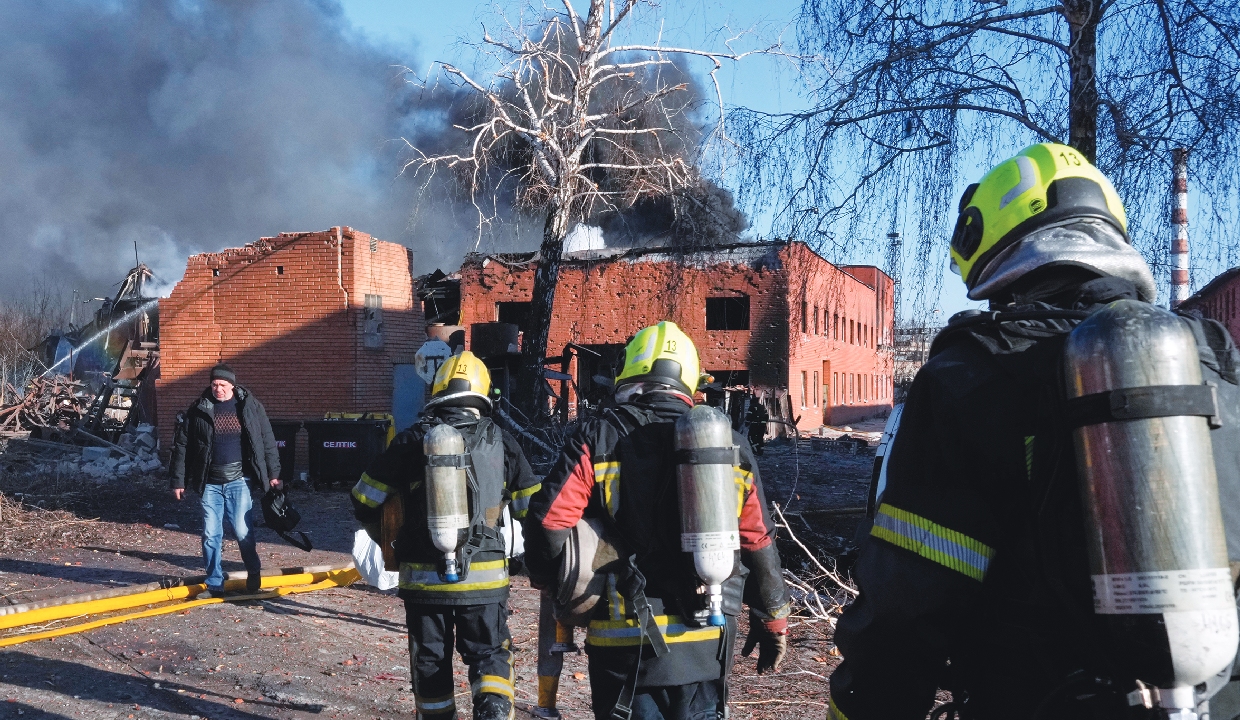
Turmoil in global oil and gas markets has sharply escalated after an Iranian missile strike hit Ras Laffan Industrial City, home to Qatar’s largest liquefied natural gas (LNG) complex. The attack marks a significant widening of the ongoing Middle East conflict, with energy infrastructure now firmly in the crosshairs.
The Gulf region has borne the brunt of Tehran’s retaliation following US-Israeli strikes that triggered the current hostilities. Iran has not only targeted American military assets but has also expanded its response to strategic hydrocarbon facilities across the region, provoking strong reactions from Gulf monarchies heavily dependent on energy exports.
The strike on Ras Laffan: widely regarded as the world’s largest LNG export hub—has led to a complete shutdown of production, sending shockwaves through global energy markets. Supply disruptions from Qatar, a cornerstone of the LNG trade, are expected to tighten availability and push prices higher, particularly in energy-importing regions across Europe and Asia.
Qatar stands among the world’s leading LNG producers, alongside the United States, Australia, and Russia, making any disruption to its output a matter of global concern. This is not an isolated incident. In early March, Iranian missile strikes on Qatari gas fields forced QatarEnergy: the world’s largest LNG exporter—to temporarily halt production.
Those earlier attacks were reportedly carried out in retaliation for an Israeli strike on Iran’s South Pars gas field, part of the largest natural gas reservoir shared with Qatar. The intensifying cycle of strikes and counter-strikes underscores the vulnerability of critical energy infrastructure and raises fears of prolonged instability in global energy markets.