Supreme Court releases draft AI rules: No verdicts via Algorithms, human judgment mandatory
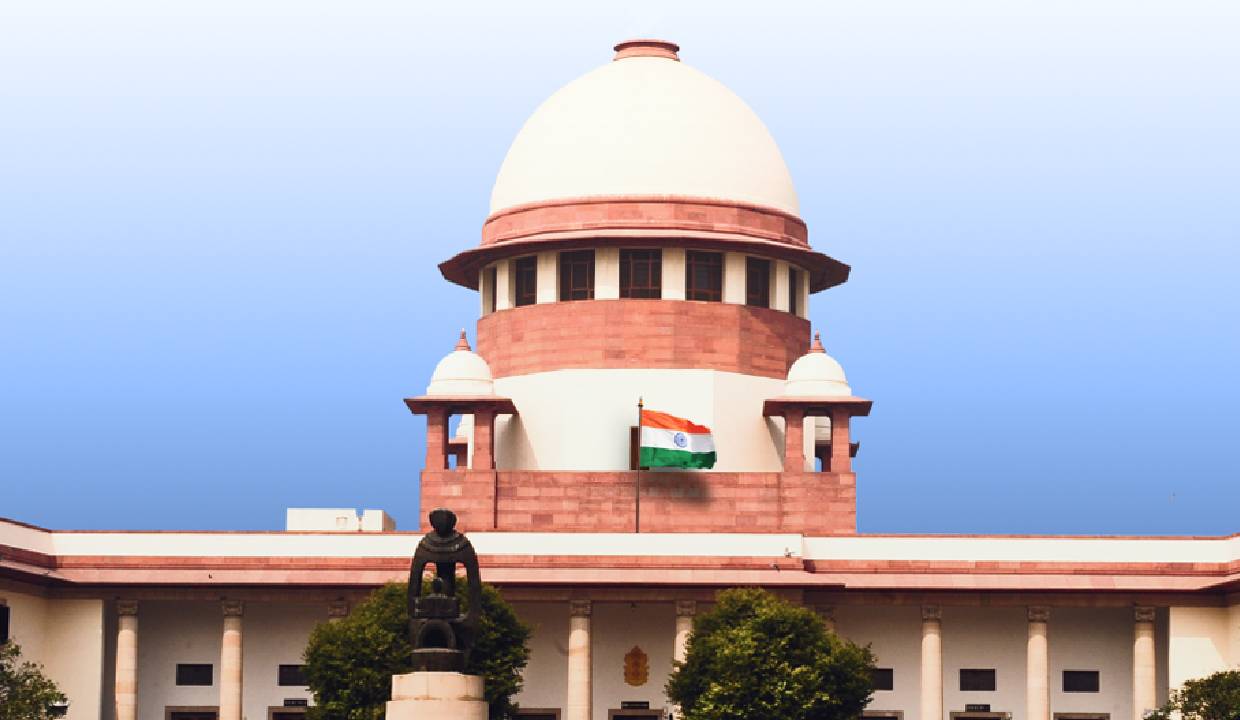
The Supreme Court of India has released draft regulations governing the use of Artificial Intelligence (AI) in courts, clearly stating that no judicial outcome can be determined solely through algorithms. The proposed framework aims to modernise judicial processes while ensuring that human judgment remains central to decision-making.
According to the draft ‘Regulations for Use of AI in Courts’, AI tools may be used for administrative and support functions such as case management, hearing scheduling, docket prioritisation, legal research assistance, translation of judgments, and summarisation of legal documents. However, the Supreme Court has stressed that AI must remain strictly assistive in nature.
The regulations explicitly prohibit AI from being used to deliver judgments, sentencing decisions, or determine the credibility of witnesses. It also mandates a “Human-in-the-Loop” system, ensuring that all final judicial decisions are made by a duly appointed judicial officer.
The draft further warns against the use of AI-generated content without verification, noting concerns over fabricated case laws and inaccuracies that have already impacted legal proceedings. It also proposes safeguards around data usage, requiring prior approval for training AI systems on personal data.
To regulate implementation, the Supreme Court has proposed a three-tier oversight structure, including a central AI authority at the apex court level, committees in every High Court, and a dedicated research centre to support innovation and audits.
Public and stakeholder feedback on the draft regulations has been invited until June 20.