Feminism in India’s ancient past
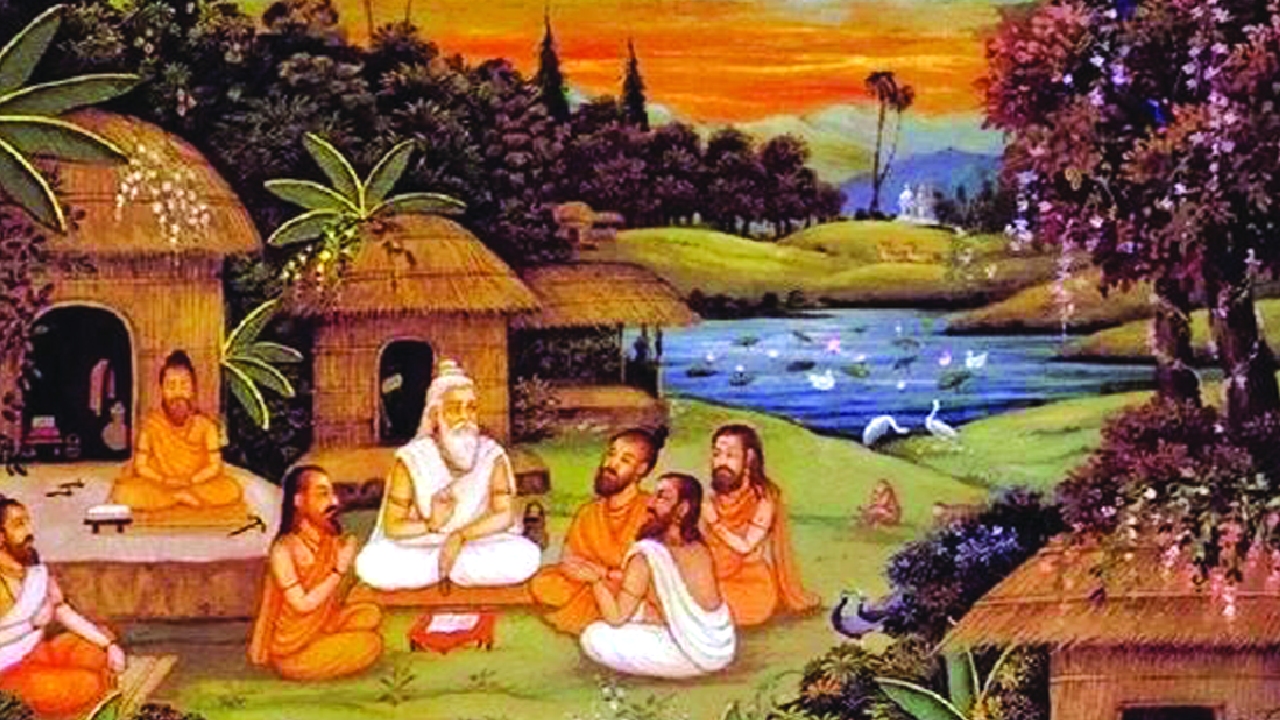
At a time when feminism is often perceived through borrowed intellectual frameworks, Women in the Womb of Time (WITWOT) offers a refreshing and deeply rooted alternative-one that seeks to rediscover feminism within the vast and layered traditions of ancient India. Moving beyond the binaries of modern ideological debates, the book begins with a provocative question: why feminism, and not masculinism? This inquiry becomes the point of departure for a rich exploration into the origins, distortions, and possibilities of gender discourse across time.
The work does not merely attempt to trace the historical subjugation of women; rather, it strives to uncover the complex interplay of power, agency, and identity that shaped women’s lives in ancient Indian society. Drawing upon an impressive range of primary sources — from the Vedas and Upanishads to the Epics, Manusmriti, Arthashastra, Kamasutra, and Dharmashastras — the book reconstructs a nuanced narrative in which women are not only subjects of patriarchy but also active participants in shaping intellectual, cultural, and economic life.
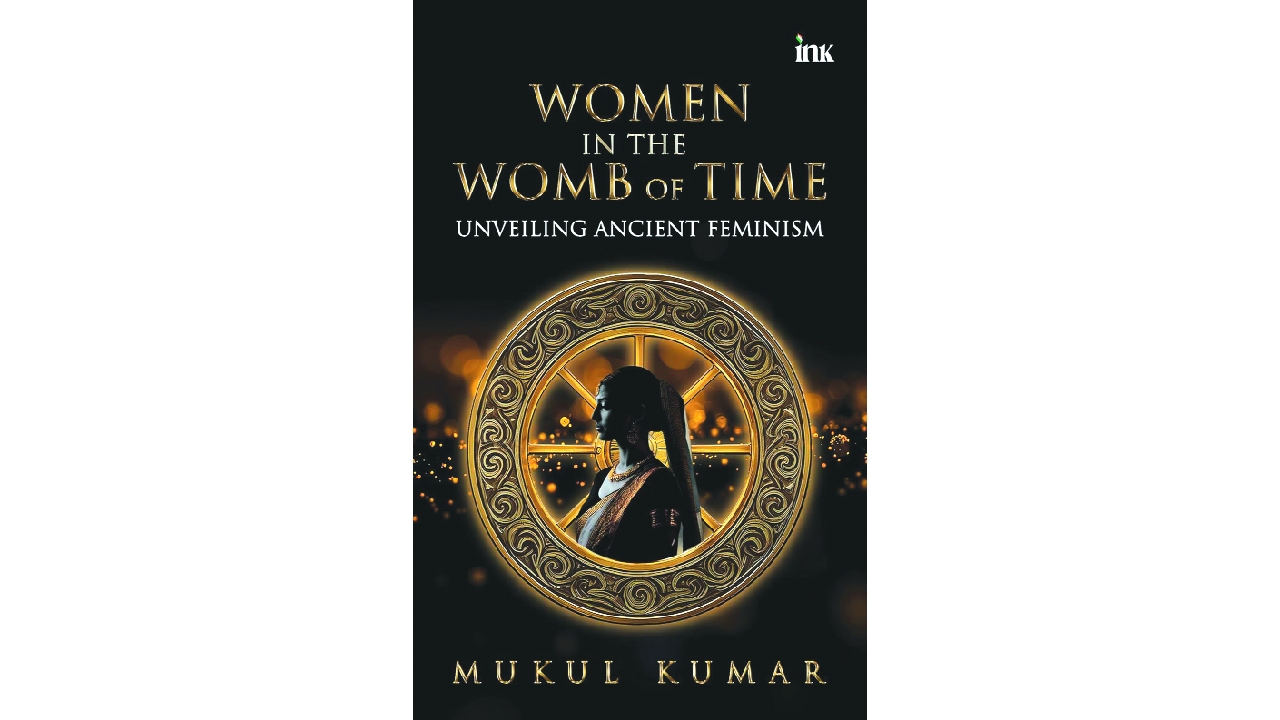
The opening chapter sets the philosophical tone by redefining feminism not merely as a political or legal struggle for equality, but as a broader humanistic quest for dignity, wholeness, and self-realisation. It situates gender inequality within the deeper currents of human evolution, examining how biological roles, division of labour, and material conditions contributed to the gradual emergence of patriarchal structures.
By engaging with thinkers such as Karl Marx, Simone de Beauvoir, and Judith Butler, the author builds a compelling theoretical framework while remaining anchored in the Indian context.
What distinguishes WITWOT is its refusal to romanticise the past. Instead, it presents a balanced account that acknowledges both the reverence and repression of women across different periods. The Vedic age, often idealised for its relative gender parity, is examined alongside later texts like Manusmriti, which codified hierarchical norms. Similarly, works such as the Arthashastra and Kamasutra are reinterpreted not just as administrative or erotic manuals, but as texts that reveal women’s engagement with power, economy, and desire.
The book also ventures into less explored territories, including heterodox traditions such as Buddhism, and the insights gleaned from epigraphic and numismatic evidence. These sources collectively illuminate the multiple ways in which women exercised agency-whether as scholars, householders, political actors, or spiritual seekers. The narrative thus challenges the monolithic image of the “second sex”, revealing instead a dynamic spectrum of female experiences.
Endorsements by eminent scholars underscore the significance of this contribution. The work has been praised for its ability to “reimagine Indian feminism on its own terms”, and for problematising the very foundations of feminist discourse in both historical and global contexts. It compels readers to rethink not only the past but also the present, urging a move towards a more equitable future grounded in indigenous intellectual traditions.
Ultimately, Women in the Womb of Time is not just a historical study; it is a call to intellectual reclamation. By delving into the “womb of time”, it seeks to recover voices that have long been muted and to weave them into a living, evolving narrative of empowerment. In doing so, the book bridges the past and the present, offering a vision of feminism that is both rooted and revolutionary-one that draws strength from history while shaping the contours of a more inclusive tomorrow.