A personal journey through Iran’s past
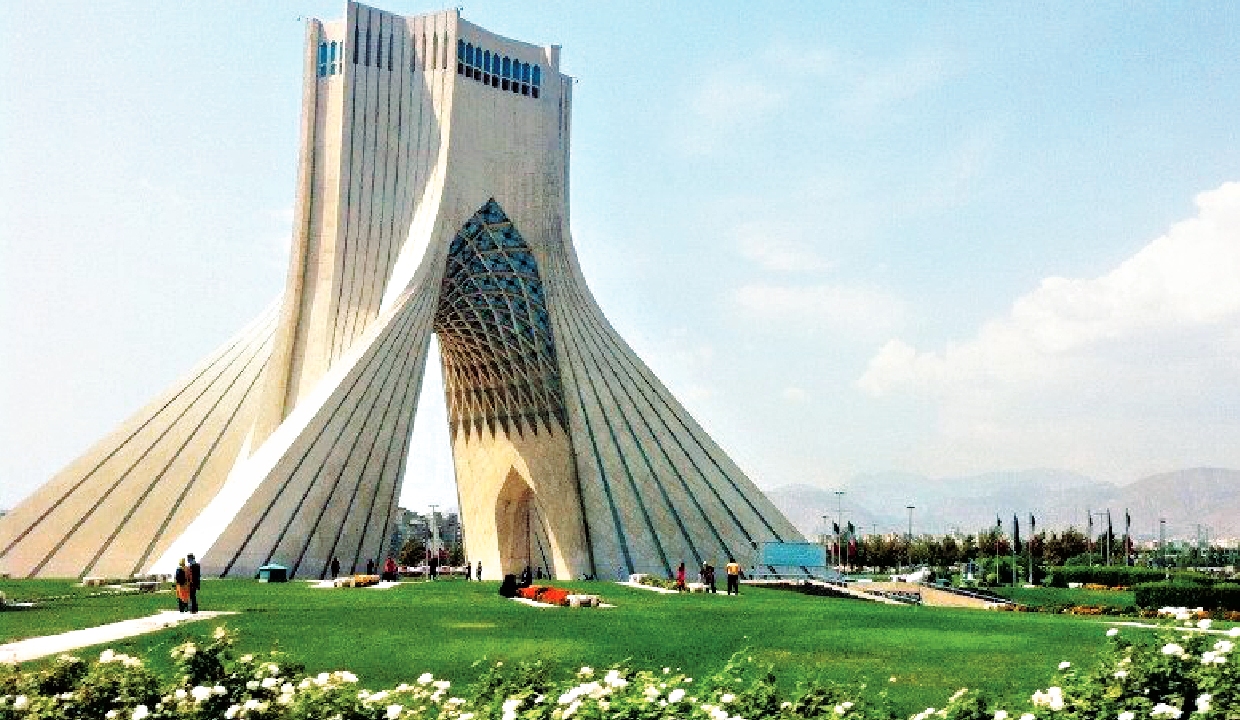
Sanctions became a part of everyday life. They were not distant policies; they were real
My relationship with Iran is not political; it is personal and layered across generations. My family's connection with Iran goes back to 1907. My grandfather was a trader who lived near Rawalpindi in undivided India. Long before Partition reshaped the subcontinent, he had already begun travelling to Iran for business. Like my father, I too was born in Iran. As Sikhs, we never faced any issues either before or after the Islamic Revolution. On the contrary, Sikhs and Indians have always been respected at every level of society. The Sikh community has preserved its identity and way of life, even after such a major shift in the country.
My childhood in Iran remains the most beautiful phase of my life. Tehran, to me, was a city full of life and calm at the same time. Snow-covered mountains stood quietly in the distance, while the city moved with warmth below. I remember markets filled with colour, the smell of fresh bread, and long walks with my family. I grew up understanding Persian very well, which made every interaction deeper and more personal. There was a quiet sense of belonging.
Those were simple and happy years. As a child, I did not see politics. I saw people, kindness, and a life that felt complete.
Then came a turning point. The Islamic Revolution reshaped Iran in a powerful way. The country moved from an ultra-westernised society to a deeply Islamic system. It was not just a change of leadership; it was a shift in identity.
Soon after, the seizure of the United States embassy became a defining moment. It was dramatic and intense. Young revolutionaries took control and held American diplomats hostage for over a year. The world watched closely. The new regime came to be seen as undiplomatic. That moment changed Iran's global image and marked the beginning of long-standing tension with the United States.
Before stability could return, the country was pushed into war. The Iran-Iraq war lasted eight long years. It was a painful phase in Iran's history. For a newly formed regime and an isolated nation, it was a severe test. Resources were stretched. Lives were lost. Fear became part of daily life. The country was still finding its footing while fighting for survival. Isolation followed. Iran found itself cut off from much of the world. This shaped not just its politics but also its economy. As I grew into my teenage years, I began to see Iran more clearly. The warmth of the people remained unchanged.
Imagine a Sikh boy wearing a turban and keeping a beard, at times resembling the Islamic clergy, yet dressed in denims and a T-shirt. In many places, this could create distance. But in Iran, it did not. I never faced discomfort or strange reactions. Instead, there was respectful curiosity. People would ask simple questions, like why my turban was not white or black, but in bright colours. These moments reflected a society that was respectful and open in its own way.
At the same time, I could sense the pressure of a system under strain. Sanctions became a part of everyday life. They were not distant policies; they were real. Prices rose. Access became limited. The burden was carried by ordinary citizens.
And yet, even in such conditions, Iran continued to move forward. There has been steady progress in infrastructure. Rural areas saw roads, electricity, and basic services reach far corners. Iran also reflects strong on-ground systems, such as road safety standards and organised facilities. In many ways, development in several areas has been faster than during the Shah's period. Healthcare has been robust and of a high standard. It has reached deep into society and improved access. But this strength has been affected by sanctions. Shortage of critical medicines and rising costs have created serious challenges. Even a strong system struggles when access to essential supplies is restricted.
When I moved to India for higher education, it was a shift in experience. It made me realise how differently systems function across countries. It also made me reflect on how well certain aspects of life in Iran were managed despite challenges.
Education became a strong pillar of growth. The emphasis on women's education has been remarkable. Iranian women today have one of the highest literacy rates in the world. Their role is visible across different walks of life. They study, they work, and they contribute actively to society.
These are achievements that deserve recognition. But this is where the contrast becomes difficult to ignore.
Iran is one of the top oil-producing countries in the world. A nation with such wealth should provide strong economic stability. Yet, a large part of the population lives under financial pressure. The economy does not reflect the country's natural strength.
This raises questions about direction. Recent tensions involving the United States have added further pressure. Any assault that leads to destruction cannot be justified. It increases the burden on ordinary people.
At the same time, Iran's resilience against the United States is undeniable. Standing firm against a global superpower requires strength. This resistance is commendable.
But it also reveals an imbalance. It shows the level of weaponisation and strategic capability that Iran has built. At the same time, it highlights the gap in economic progress. A significant focus has remained on geopolitics. Issues related to Israel, nuclear capability, and strategic positioning continue to dominate. While national security is important, this focus often comes at the cost of everyday development. The result is visible. A country rich in resources continues to struggle economically. A capable population operates within limits. The youth are skilled and aware, yet constrained.
When compared to other countries in the region, the difference becomes clear. Nations with fewer advantages have built strong economies and modern systems. They have become global destinations. In many ways, Iran had a stronger foundation. Its culture, geography, and human capital gave it a natural advantage. It had the potential to lead the region and create a global impact. That potential still exists, but it remains underused. Today, my work takes me to the United States. I see a system that offers structure and opportunity. And every time I travel there, I find myself thinking of Iran, not in comparison alone, but in possibility. Because I have seen Iran beyond headlines, I have lived its warmth. The most beautiful years of my life were spent there. And that is what makes this reflection emotional. Because Iran is not lacking in strength, it is a country that has everything. And its people deserve a life that reflects that truth.
Manjot Singh Bhasin is an Indian citizen who spent most of his life in Iran before settling in Delhi. He is an entrepreneur. His writing comes from lived experience and reflects on culture, identity and change; Views presented are personal.
Leave a Comment
Comments (2)
Regards Sonia
Written beautifully .. I agree life was good in Iran