Breaking the African stereotypes
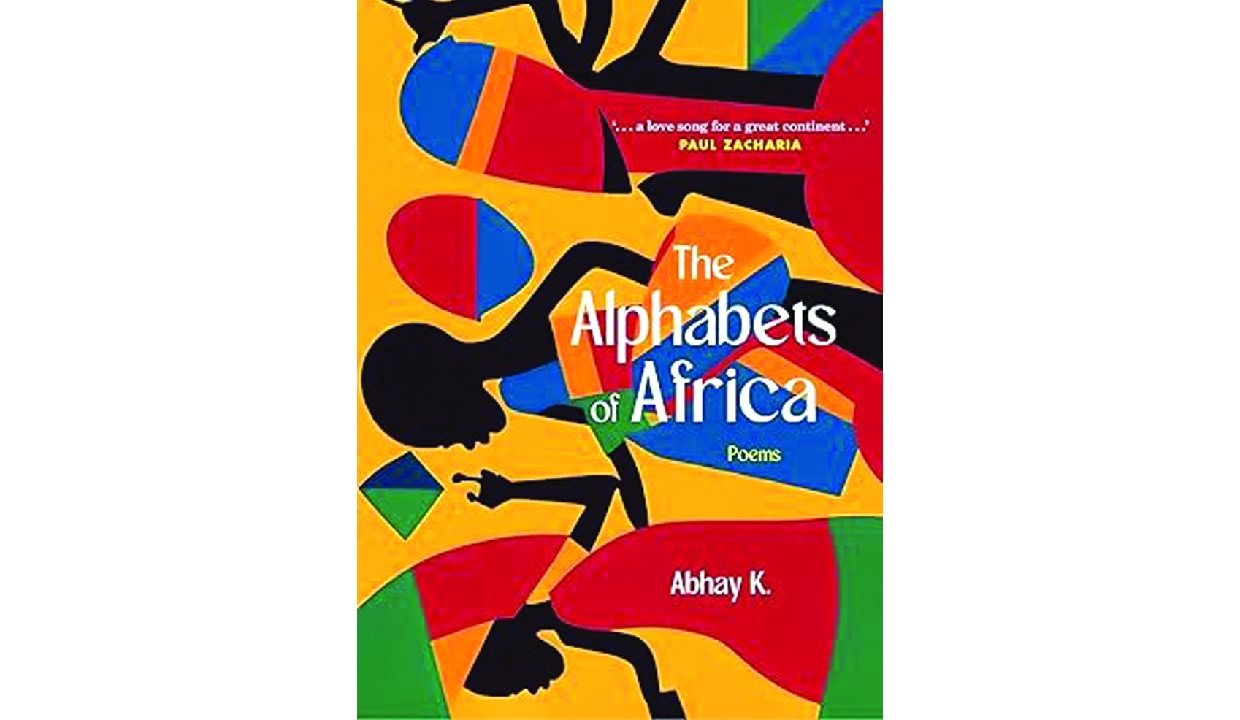
The launch and reading of The Alphabets of Africa by Abhay K was not merely a literary event at Oxford Book Store in Connaught place in Delhi — it was an act of re-seeing a continent long trapped in narrow narratives. The occasion brought together literature, diplomacy, and lived experience in a rare confluence. Abhay K, who has served as a diplomat in Madagascar and now represents India as Ambassador to Azerbaijan, spoke not as an observer of Africa but as someone who has encountered it intimately. The interactive session with Murtaza Ali Khan and Amit Singh was informative and as well as a rare peep into the continent we know so little about yet think we know everything about it — Africa.
At the reading, passages from the book revealed its distinctive voice-lyrical yet informed, poetic yet grounded in history. The poems move alphabetically, each letter opening a window into a different facet of Africa — its landscapes, civilisations, icons, and everyday rhythms. This structure, deceptively simple, becomes a powerful narrative device, turning the book into what critics have described as a “cartography of a continent” told through verse.
What makes Alphabets of Africa stand apart is its deliberate departure from the dominant, often reductive imagination of Africa. For decades, global narratives have flattened the continent into a trilogy of stereotypes-wildlife, poverty, and conflict. Abhay K. challenges this framing head-on. His poems foreground Africa as the cradle of humanity, a land of ancient civilisations, intellectual traditions, and cultural innovations that have shaped the world.
During the launch, the author underscored a striking idea: that every human being carries Africa within them. This is not poetic exaggeration but a reminder of scientific and historical reality-that human origins trace back to the continent. By weaving such insights into verse, the book bridges knowledge and emotion, transforming facts into felt experience.
The collection draws extensively from the author’s travels across Africa, lending it authenticity that goes beyond second-hand observation. It introduces readers to figures and histories often absent from mainstream discourse-emperors, queens, resistance leaders, artists, and everyday cultural practices. From the wealth of Mansa Musa to the resilience of Yaa Asantewaa, from ancient treaties to living traditions, the poems reclaim a narrative that is both diverse and deeply rooted.
The Alphabets of Africa refuses to romanticise Africa while also rejecting colonial stereotypes that once reduced the continent to a “heart of darkness”. Instead, Abhay K presents a layered portrayal that acknowledges both struggle and splendour, giving the work emotional depth and intellectual credibility.
The reading session encouraged audiences to question inherited perceptions and engage with Africa as a living, evolving reality. More than poetry, the book becomes a bridge across histories and cultures, reminding readers that Africa is central to understanding humanity itself.