Ram, poetry and the human spirit
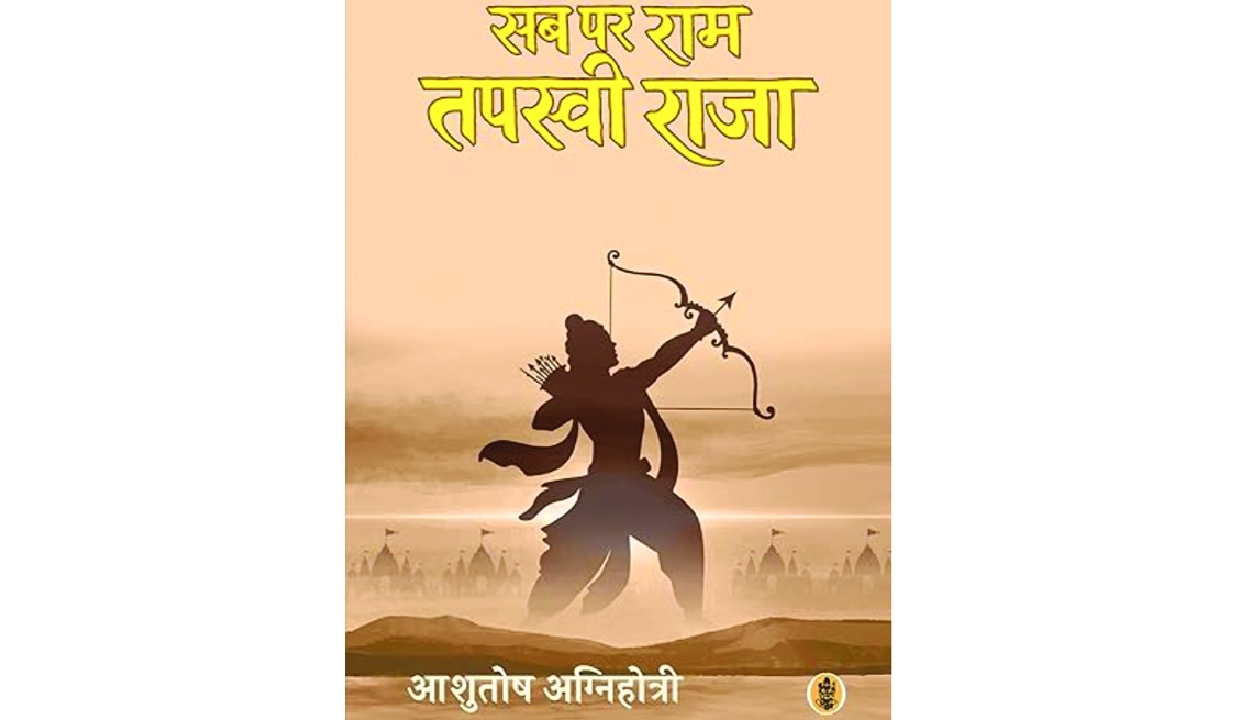
Ashutosh Agnihotri, while illuminating the collective consciousness of Indian culture, spiritual traditions and civilisational values, emerges as a devoted traveller through the emotional and philosophical landscape of Sab Par Ram Tapasvi Raja.
Written in fluid Hindi verse and lyrical expression, this poetic work deserves to be read not merely as literature, but as a profound exploration of the humane, cultural and national dimensions of Shri Ram’s character.
Carrying forward the epic tradition into modern Hindi poetry, the poet presents contemporary interpretations of several episodes from the Ramcharitmanas. Passages such as the “Shiv-Parvati dialogue” and the celebrated “Dhanush Yagya” are rendered with freshness and emotional resonance, offering readers a renewed understanding of these timeless episodes.
The lines: “Haan Ram nahin hai saadhan, Shiv ka hai aadhar priya, Jo mere andar dikhta hai wahi to Ram hai... beautifully capture the spiritual essence of the collection.
Throughout the book, the reader encounters not only devotion and surrender, but also moments of nationalism, moral introspection and deep human sensitivity. Whether exploring Kaikeyi and Sita’s inner dilemmas, Bharat’s selfless sacrifice, or the emotional devastation surrounding Mandodari’s grief, the poet consistently brings forth a spiritual voice that resonates amid human suffering and ethical conflict.
The emotional strength of the poetry lies in its ability to connect devotional philosophy with contemporary human concerns. The poet’s lines flow with rhythm and musicality, often carrying the cadence of compositions meant for theatrical or artistic performance.
The language remains expressive yet accessible, never weighed down by excessive ornamentation; instead, it allows the emotional core of each episode to emerge naturally and powerfully. Although rooted in tradition, the poetry sustains a distinctly modern sensibility.
Ram is presented not merely as a divine figure, but as a symbol of ethical consciousness, sacrifice, compassion and cultural unity. References to Shabari’s devotion, Bharat’s renunciation and the ideals of Rajdharma deepen the philosophical texture of the collection.
Read through the lens of Indian poetics, the work evokes an aesthetic space where poetic beauty and spiritual experience merge seamlessly. The poet’s ability to internalise Shabari’s longing, Kaikeyi’s remorse, Bharat’s sacrifice and Ram’s ideals of governance lends the collection emotional depth and dramatic vitality.
Ultimately, Sab Par Ram Tapasvi Raja emerges as a meaningful and enduring poetic work - one that holds relevance not only for readers of devotional literature, but also for theatre practitioners, performing artists and wider cultural discourse for years to come.