Pakistan Talks Fail, War Clouds Gather Over West Asia
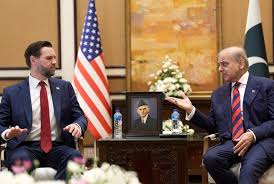
A fresh diplomatic push to de-escalate tensions in West Asia appears to have faltered, with JD Vance confirming that marathon negotiations with Iran yielded no breakthrough, even as the fragile ceasefire in the region teeters on the brink.
Speaking after nearly 21 hours of talks held in Pakistan, Vance stated that Tehran had declined to accept key American conditions. “We came in good faith to secure a deal, but there has been no headway,” he said, underlining Washington’s demand for a clear and binding commitment from Iran to abandon any future pursuit of nuclear weapons.
According to Vance, while recent military actions have significantly degraded Iran’s nuclear infrastructure—including enrichment facilities—the absence of assurances regarding future weaponisation remains a major sticking point. “We do not see a commitment to refrain from rebuilding or advancing a nuclear weapons programme,” he added.
The remarks came shortly after Donald Trump struck a markedly different tone, asserting that the United States had already achieved a decisive strategic victory irrespective of the negotiations’ outcome. “We totally defeated that country. Whether they make a deal or not is secondary,” Trump said, claiming that Iranian military capabilities had been extensively neutralised.
Trump went further, declaring that Iran’s naval, air, and air defence systems had been effectively dismantled. He also suggested a leadership vacuum in Tehran, stating that “their leaders are all dead,” though such claims remain unverified and are likely to be contested internationally.
A central flashpoint in the ongoing crisis remains the Strait of Hormuz—a vital artery for global energy supplies. The narrow passage continues to witness heightened tensions, with maritime traffic severely disrupted amid reports of Iranian obstruction.
The US Navy has intensified mine-clearing operations in the strait to restore safe navigation. However, Tehran has issued stern warnings, cautioning that any foreign military vessels attempting passage would face “severe consequences.” Iran has also denied American claims about the presence of US warships in the area, adding another layer of uncertainty to an already volatile situation.
Meanwhile, energy markets remain on edge as oil shipments through the region face delays and rerouting. Trump, however, painted a more optimistic picture, highlighting ongoing US tanker movements and energy operations as signs of resilience.
With diplomacy stalled and military posturing intensifying, the situation in West Asia remains precarious. The lack of consensus on Iran’s nuclear future, coupled with escalating tensions in critical maritime zones, suggests that the path to lasting stability is still fraught with uncertainty.