The bloom of the tulip diplomacy
From spice-laden ships of the 17th century to modern collaborations in climate resilience and technology, the journey of Indo-Dutch relations reflects continuity amid change, writes Gyaneshwar Dayal
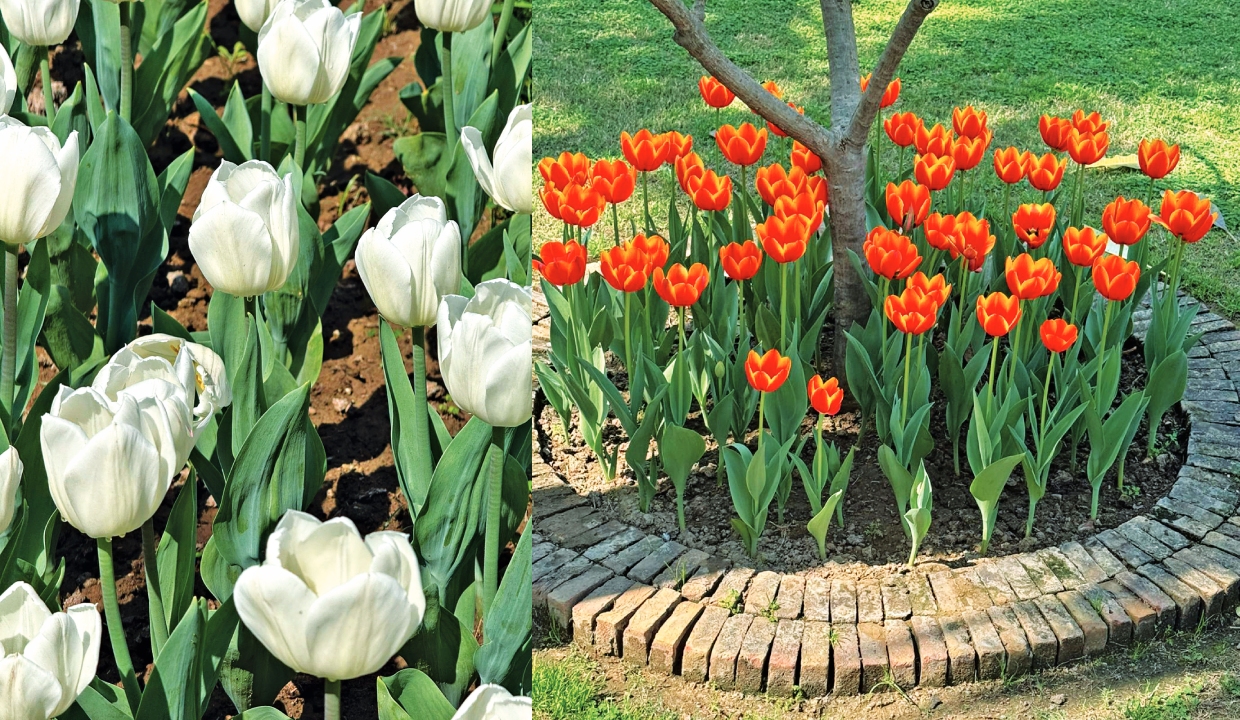
Did you know there is a tulip variety called "Aishwarya"? That's right, tulips are often named after celebrities, and they have an Indian name too! In 2005, the Dutch government named the red tulip variety after actress Aishwarya Rai at the renowned Keukenhof Gardens, the world's largest tulip garden. And it was not just a random decision. It is testimony to the importance the Netherlands attached to India. The relations between the two countries have been cordial and based on mutual respect and cooperation.
Think of tulips, and you cannot help thinking about the Netherlands — the land of tulips. Tulips are more than just flowers in the Netherlands-they are a national symbol, tied to history, economy, and identity. The Netherlands is home to Tulips and has several varieties that make it the tulip capital of the world. In a way, the Netherlands' economy is linked with Tulips. But the Netherlands is much more than Tulips alone. And it has a strong connection to India, which began way back in 1605 when the Dutch landed on Indian shores for Indian spices. Unlike the British, French and Portuguese, the Dutch were essentially traders and remained that way.
Since then, it has been a long, uninterrupted cordial relationship that both countries value and nurture. Dutch presence in India started with commerce, survived colonial competition, and has matured into a multidimensional partnership, but has remained low-key, though it spans diplomacy, technology, water management, and culture. Their settlements in places like Cochin, Pulicat, and Nagapattinam were designed to secure spices, textiles, and maritime routes. However, the Dutch influence in India, though significant in trade, remained relatively limited in political scope.
After India's independence in 1947, relations with the Netherlands entered a more formal diplomatic phase. The initial decades were cautious, shaped by Cold War alignments and differing global priorities. However, unlike more ideologically charged bilateral relationships, Indo-Dutch ties evolved without major friction.
The Netherlands has emerged as a dependable partner. Dutch expertise in agriculture, water management, and infrastructure found resonance in India's nation-building efforts. Over time, this cooperation transitioned from aid to partnership-a subtle but important shift reflecting India's growing economic stature.
Today, the Netherlands is one of India's largest trading partners within the European Union and a major source of foreign direct investment. The economic relationship is no longer confined to traditional sectors. It now includes clean energy and climate resilience, water technology and flood management, agriculture innovation and food processing, and logistics and port development.
The strategic importance of the Port of Rotterdam-Europe's largest port — has positioned the Netherlands as a gateway for Indian goods entering the European market. Conversely, Dutch companies see India as a dynamic hub for manufacturing and innovation. Yet another interesting and important aspect of Indo-Dutch relations is water management. With sea levels rising and erratic monsoons becoming the norm, India needs technology and expertise to safeguard its cities and coastal areas from storms and rising sea levels. The Netherlands too has many of its areas below sea level. Over the years, it has developed expertise in managing water flows and finding solutions to this problem, and the best part is that it is sharing it with India.
Soft Power, Strong Bonds
The Netherlands has a strong presence in New Delhi. It is always buzzing with activity, cultural and social, offering a treat to connoisseurs. The Netherlands embassy has been regularly organising cultural exchanges, academic collaborations, and people-to-people interactions.
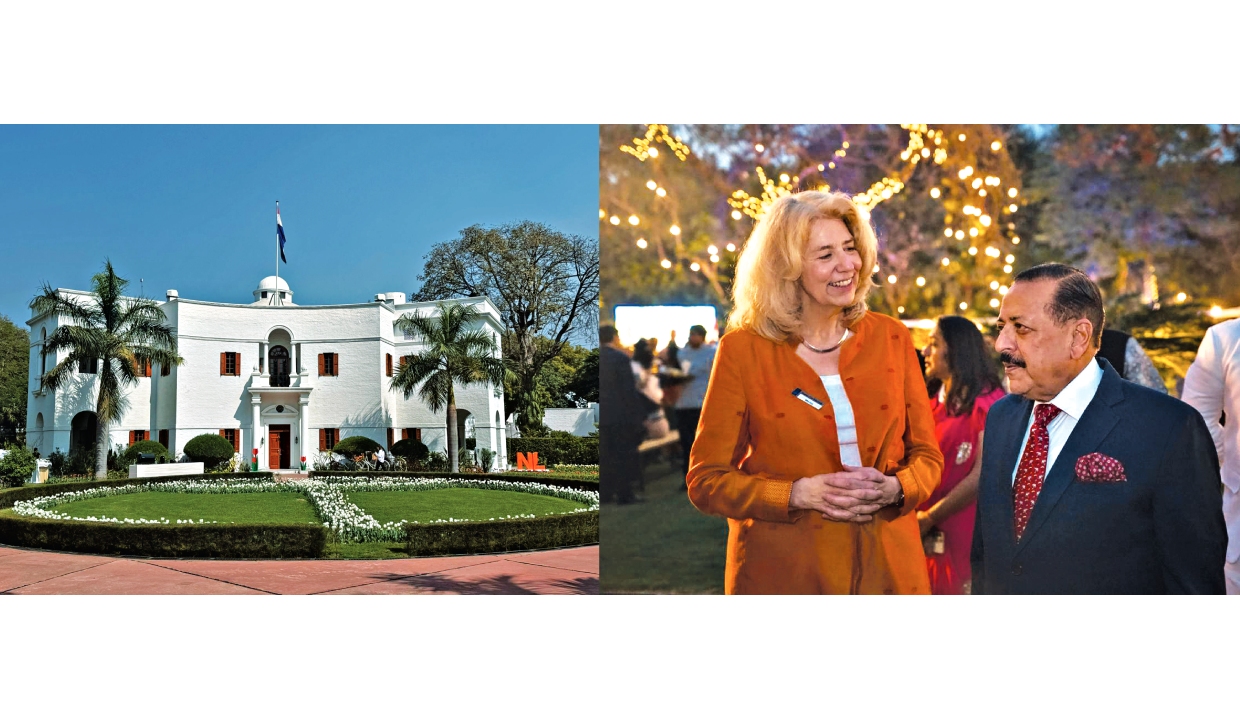
Recently, the Embassy of the Kingdom of the Netherlands in New Delhi hosted King's Day, celebrating the 59th birthday of King Willem-Alexander. Held at the Netherlands Residence, it hosted Union Minister of State (Independent Charge) Jitendra Singh as the chief guest, welcomed by Ambassador Marisa Gerards and Peter Knoope. The venue itself became a canvas of Dutch identity, echoing Van Gogh's Starry Night and Sunflowers. The event was not just a national celebration, but a tribute to the spirit of inclusivity, innovation, and community. It mirrored the trajectory of Indo-Dutch relations-diverse, collaborative, and forward-looking. It is a partnership built not on spectacle, but on substance-where shared challenges are met with shared solutions.
The story of Dutch ambassador's residence that spans two nations
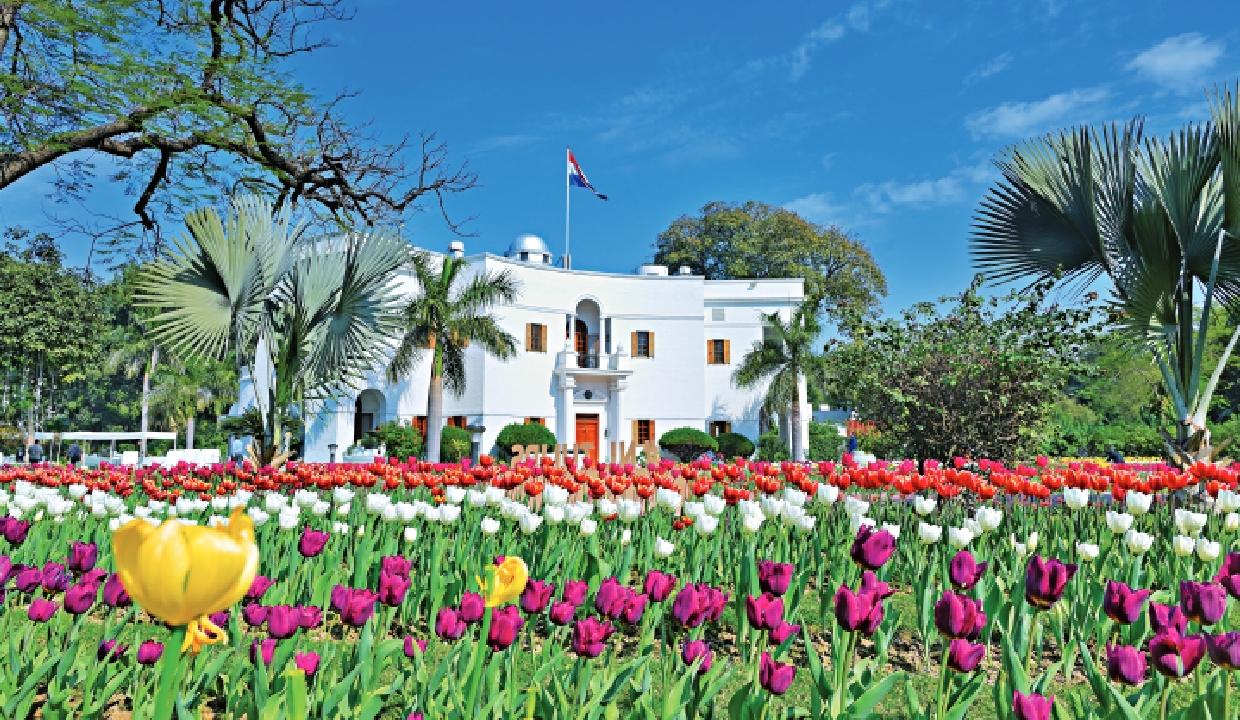
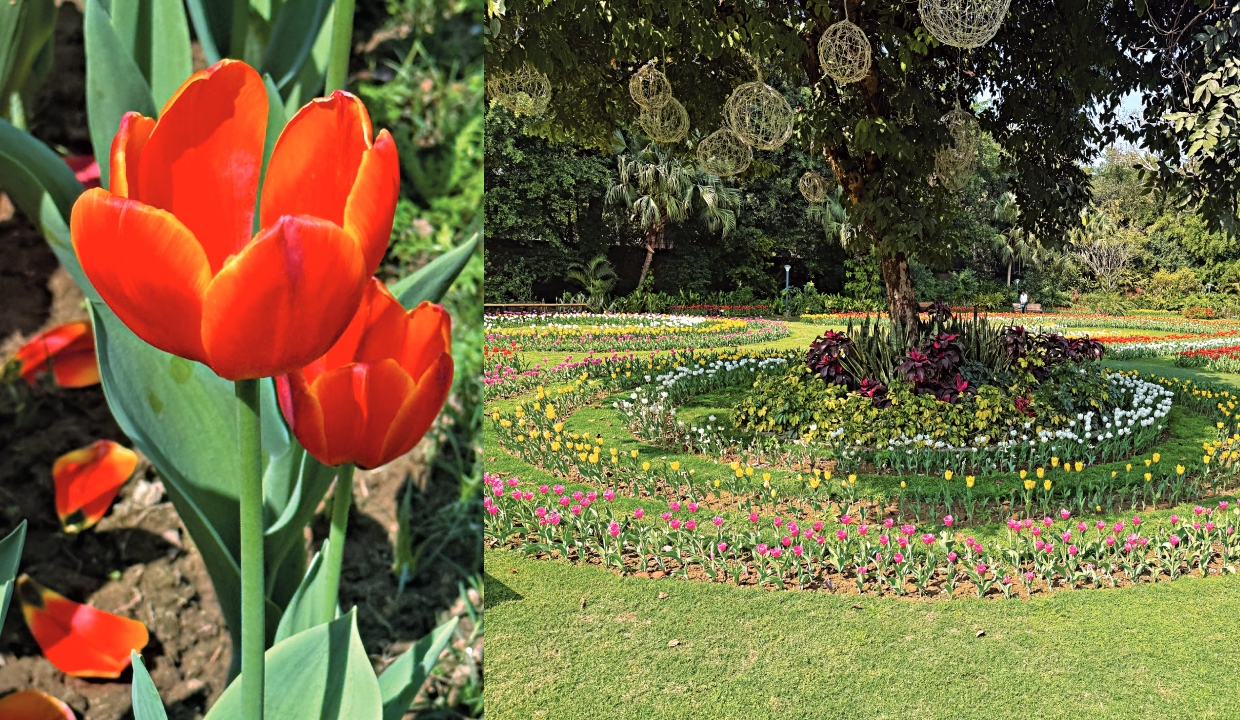
The residence of the Dutch Ambassador is a prime location in Lutyen's Delhi, the European-style white building with sprawling lawns is indeed a property worth having. Besides its lawns blooming with Tulips in the winter season to maintained gardens, to the European architecture, the residence has a history beneath that shaped the destiny of the sub-continent. Long before it became the residence of the Dutch Ambassador, its nameplate read "Jinnah House" and belonged to Muhammad Ali Jinnah, the founder of Pakistan.
The house belongs to the British Raj era -wide avenues, deep verandas, and architecture designed for both prestige and climate. These homes often changed hands in the turbulent years surrounding Partition in 1947. Jinnah had his residence in Mumbai, but owned this property, which, after Partition, fell into a category of "evacuee property," eventually reassigned, and transferred by the Indian government. Subsequently, the Netherlands acquired the residence and it was made its ambassador’s official residence. So here is a house once tied to the subcontinent's most consequential political rupture that found a new identity as a site of international engagement.
Today, the residence stands not as a relic of division, but as a functioning space of diplomacy-quietly hosting dialogues, receptions, and cultural exchanges. It is indeed ironic as it has a certain poetic symmetry in its evolution. A house once linked-directly or indirectly-to the politics of separation now hosts celebrations of connection. Where history once drew borders, diplomacy now builds bridges, though it still preserves the spot where the partition was contemplated. Events at the residence, whether it is King's Day or a tulip showcase, carry this layered meaning. They are reminders that places, like nations, are not frozen in time. They change hands, change meanings, and sometimes, quietly, change purpose. What was once a place where partition was discussed has now become a place of shared presence. And in that transformation lies the quiet strength of diplomacy-not in rewriting history, but in giving it new meaning.