Eid-ul-Fitr: Celebration, Gratitude, and its Cuisine

The sighting of the crescent moon that marks the end of the fasting month of Ramadan brings with it the joyful arrival of Eid al-Fitr, a festival of devotion, gratitude, and celebration. After a month of restraint and prayers, from dawn to dusk, the day of Eid unfolds as an occasion of spiritual fulfilment. Families and friends gather for prayers of gratitude to exchange greetings and gifts. New, smart clothes are adorned to suit the occasion. The atmosphere is festive. Yet, the day carries a deeper significance as it commemorates the completion of a period of spiritual discipline intended to cultivate humility, compassion, and generosity.
The origins of Eid-ul-Fitr lie in the earliest traditions of Islam, established during the lifetime of Prophet Muhammad in the seventh century. Ramadan, the sacred month of fasting, was instituted as a time for reflection, charity, and discipline. Each day of fasting reminded believers of patience and empathy for those less fortunate. Zakat al-Fitr, thus, became a significant part of this occasion. An act of charity, Zakat is one of the central obligations in Islam and requires every financially viable person to contribute to the welfare of the disadvantaged. During Eid, this act purifies the fast besides supporting the needy to celebrate the festival with dignity. From its earliest origins, the festival has been inseparable from the values of generosity and shared sustenance. Food, therefore, becomes not only a symbol of celebration but a reminder that abundance carries with it a responsibility to share and nourish others.
In India, Eid-ul-Fitr acquired a particularly rich culinary dimension as Islamic traditions encountered the diverse food cultures of the subcontinent. The Mughal courts refined elaborate feasts, regional kitchens adapted local ingredients, and centuries of coexistence shaped dishes that now define Eid celebrations. While fasting during Ramadan cultivates restraint, Eid encourages generosity and hospitality. The act of serving food becomes the principal expression of goodwill. Sweet dishes traditionally appear first, and sets the celebratory mood. The meal follows through savoury dishes, breads, and fragrant rice preparations, each representing not only culinary skill but also the warmth of communal celebration. Among the most iconic preparations associated with Eid-ul-Fitr is sheer khurma, a delicately fragrant dessert whose very name evokes festivity. Vermicelli is gently roasted in ghee until golden and simmered in milk enriched with dates, sugar, and a generous assortment of nuts such as almonds, pistachios, and cashews. The mixture is scented with cardamom and sometimes saffron, creating a dish that is both comforting and festive. The dates hold deep symbolic significance as it is traditionally used to break the fast, and lends natural sweetness and texture. Served warm in the morning after prayers, sheer khurma is shared with family members and visiting guests alike. Its preparation often begins the night before, allowing the milk to absorb the fragrance of spices and nuts so that the dessert is ready to be served by the morning.
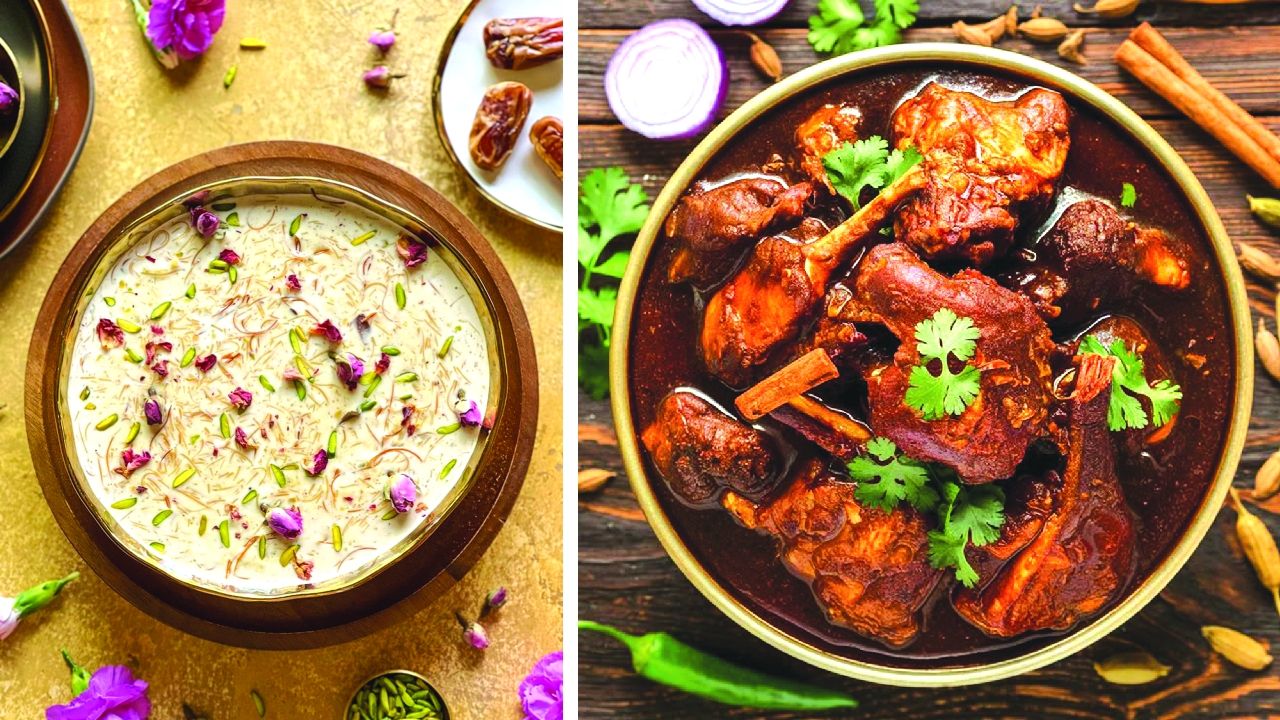
Alongside sheer khurma, seviyan occupies an equally cherished place on the Eid table. Fine strands of vermicelli are roasted in ghee and cooked in milk sweetened with sugar until it thickens into a rich pudding. Some households prepare a lighter version known as dry seviyan, where roasted vermicelli with sugar, cardamom, nuts, and raisins are served without the addition of milk, producing an equally fragrant sweet. In parts of northern India, sheer khurma and seviyan are both prepared, offering two variations delivering entirely different textures and experiences.
Another dessert frequently prepared is phirni, a refined rice pudding traditionally served in shallow earthen bowls. Ground rice is slowly simmered in milk until the grains dissolve into a smooth consistency, after which sugar, saffron, and cardamom are added. The mixture is poured into small clay dishes once it thickens and imparts a subtle earthy fragrance. Garnished with pistachios and almonds, phirni is often chilled before serving. The simplicity of its ingredients contrasts with the patience required in its preparation, as constant stirring ensures that the rice cooks evenly and the milk thickens without scorching.
Equally beloved is shahi tukda, a dessert that reflects the culinary refinement of the Mughal kitchens. Slices of bread are fried gently in ghee until crisp and then soaked in fragrant sugar syrup before being layered with thickened milk known as rabri. The final dish is garnished with pistachios and strands of saffron. Though seemingly simple, its indulgent richness and layered textures make it a centrepiece of many Eid feasts. The balance between crisp bread, syrup, and creamy milk transforms a humble ingredient into a dessert that evokes royal kitchens. In the Deccan, particularly in Hyderabad, double ka meetha appears as another beloved festive sweet. Prepared from fried bread simmered in saffron scented milk and enriched with nuts and dried fruits, the dessert reflects the refinement of Hyderabadi culinary traditions while carrying a sweetness that perfectly complements the celebratory spirit of Eid. Halwa preparations also make frequent appearances during Eid. Suji halwa, prepared from semolina roasted in ghee and cooked with sugar syrup, cardamom, and nuts, offers a warm and aromatic sweetness that complements the morning meal. In some regions, carrot halwa prepared from grated carrots simmered slowly with milk, sugar, and khoya adds another dimension to the festive spread. The vibrant colour and mellow sweetness of carrots create a dessert that feels both comforting and celebratory, particularly when garnished with roasted almonds and pistachios.
Balancing these sweets are an array of savoury dishes that sustain the long hours of social visits and gatherings that characterize the day. Biryanis assume pride of place, particularly in households that host extended family and guests. Long grained basmati rice is layered with marinated meat cooked with onions, yogurt, ginger, garlic, and aromatic spices such as cinnamon, cloves, and cardamom. The rice absorbs the fragrance of saffron and ghee as it steams in a sealed pot, producing a dish whose aroma alone signals festivity. Served with cooling raita or tangy salad, biryani embodies both celebration and hospitality.
Among the gravies that accompany these rice dishes, mutton korma holds particular distinction. Tender pieces of mutton are simmered slowly in a sauce enriched with yogurt, browned onions, and ground nuts, creating a preparation that is both aromatic and deeply satisfying. The gentle sweetness of caramelized onions balances the warmth of spices such as cardamom, cinnamon, and cloves, while the slow cooking allows the meat to absorb the richness of the gravy. Served with naan, sheermal, or roomali roti, mutton korma remains one of the most anticipated dishes on many Eid tables.
A variety of kebabs are another savoury highlight of Eid gatherings. Seekh kebabs, prepared from finely minced meat blended with spices, herbs, and onions, are shaped around skewers and grilled until smoky and succulent. Shami kebabs, by contrast, combine minced meat with soaked lentils and spices before being shaped into patties and shallow fried. Their delicate texture and gentle spice make them particularly suitable as starters served alongside chutneys and sliced onions. Galouti kebabs, famed in the culinary heritage of Awadh, are even more delicate, the meat ground so finely that the patties dissolve almost instantly upon tasting. In the Deccan, particularly in Hyderabad, pathar ka gosht adds another distinctive preparation to the festive spread. Marinated slices of mutton are cooked on a heated granite stone, allowing the meat to sear quickly while retaining its tenderness and smoky flavour, creating a preparation that reflects the culinary traditions of the region.
For many families, rich gravies and slow cooked dishes form the centrepiece of the main meal. Nihari, a slow cooked stew whose origins trace back to Mughal Delhi, is prepared by simmering cuts of meat overnight with spices until the broth becomes deeply flavourful and the meat tender enough to fall apart. Served with freshly baked bread and garnished with ginger, green chillies, and lemon, nihari exemplifies the patience and depth characteristic of traditional Eid cooking. Haleem, though often associated with Ramadan evenings, also finds a place on Eid tables in many households. Wheat, lentils, and meat are cooked together for hours until the mixture transforms into a thick porridge enriched with spices and ghee, then garnished with fried onions, coriander, mint, and lemon making for an irresistible dish that is both nourishing and deeply flavourful.
Breads play an important role in completing the Eid meal. Sheermal, a lightly sweet saffron flavoured bread baked in tandoors, is particularly popular in northern India. Its soft texture and subtle sweetness complement rich gravies such as mutton korma. Roomali roti, thin and delicate, is folded into layers and served warm alongside kebabs and stews. Naan, brushed with butter or ghee, remains a universal accompaniment that allows diners to enjoy the gravies and meats prepared for the occasion.
Another festive preparation that frequently appears on the Eid table is zarda rice, a fragrant sweet rice dish whose bright colour and rich aroma symbolize celebration. Long grains of basmati rice are cooked with sugar, saffron, and ghee until each grain glistens with sweetness. Nuts, raisins, and candied fruits are folded into the rice, creating a dish that balances fragrance and texture. Served alongside savoury dishes, zarda rice represents the harmonious blending of sweet and savoury that characterizes many festive meals of the subcontinent.
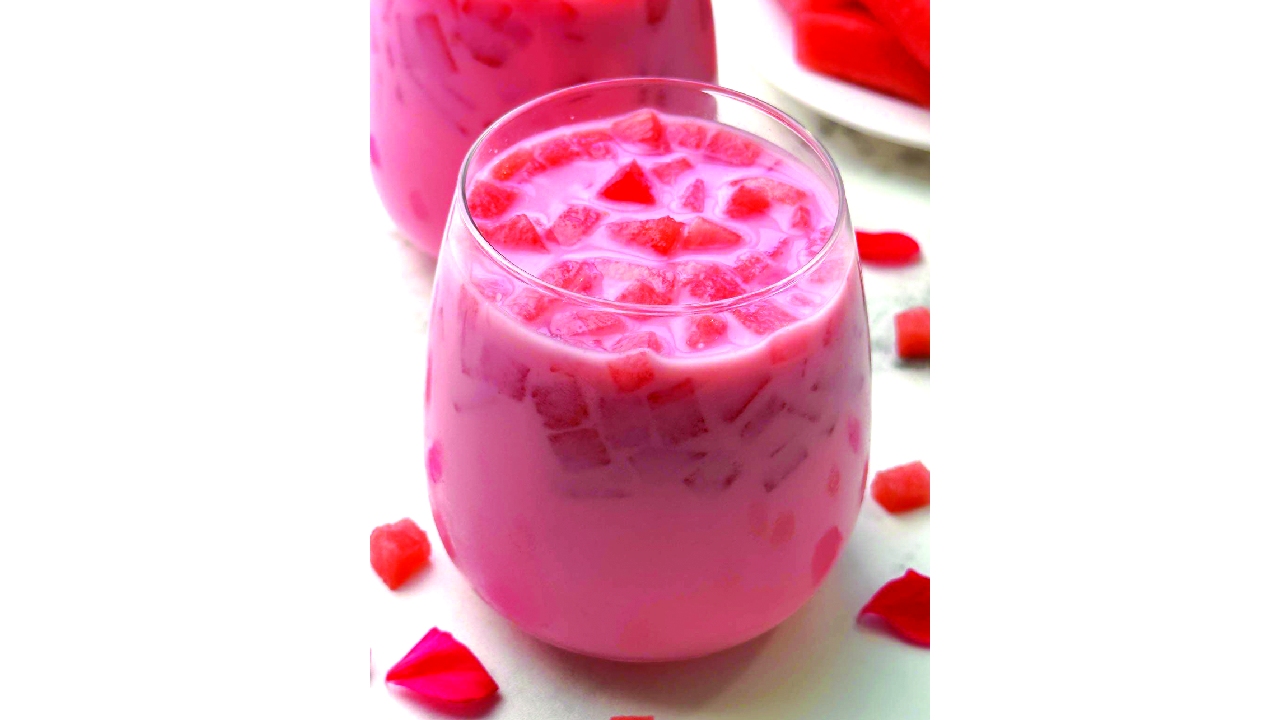
No Eid celebration would feel complete without the beverages that accompany these meals and offer refreshment throughout the day. Rooh Afza sharbat, with its deep rose colour and fragrance of herbs and fruits, is perhaps the most recognizable drink associated with Eid in the subcontinent. Mixed with chilled water or milk and often garnished with basil seeds, it provides cooling relief after a rich meal. Falooda, a layered drink combining rose syrup, vermicelli, basil seeds, and milk, transforms refreshment into dessert like indulgence. Badam milk prepared with ground almonds, saffron, and cardamom offers another traditional drink that nourishes and refreshes. In many homes, simple sharbat made from lemon, sugar, and mint provides a light counterpoint to heavier foods, while lassi made from yogurt delivers both refreshment and digestive comfort.
Across the many regions of India, these dishes appear in different combinations yet convey the same message of generosity and celebration. From the delicate sweetness of sheer khurma, seviyan, phirni, and double ka meetha to the savoury richness of biryanis, kebabs, pathar ka gosht, mutton korma, and nihari, the cuisine of Eid-ul-Fitr reflects centuries of culinary exchange and shared cultural memory. Each dish carries within it a living culture, tradition and unique craftsmanship, creating a cuisine designed to relish and share. Ultimately, I believe, the cuisine of Eid-ul-Fitr is far more than a festive indulgence. It represents the culmination of a month devoted to discipline and reflection. When families gather around the table, they celebrate not only the end of fasting but also the values that fasting cultivates. Gratitude for nourishment, generosity toward others, and the strengthening of bonds within the community find expression through the act of sharing food.
As evening approaches and visits between friends and relatives continue, what remains is the sense that Eid has fulfilled its purpose. It is my sincere belief that in preserving these culinary traditions, we ensure that Eid-ul-Fitr continues to nourish both body and spirit. It therefore becomes our collective responsibility to ensure that the heritage that comes with the festival endures not only in prayer and charity but also in kitchens where dishes are prepared with care, served with generosity, and shared in the spirit of fellowship that defines the day.
(The writer is Secretary, Cuisine India Society); views are personal