Colours of devotion: The sacred cuisine of Holi
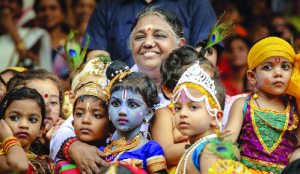
The turning of the seasons across the Indian landscape is marked by the arrival of Holi, the cheerful festival that welcomes spring with colour and vitality. It is a season of abundance when mustard fields bloom and grains ripen, marking the completion of another agricultural cycle. Communities celebrate in a spirit of joyful abandon and, beneath the playful clouds of colour, reaffirm a civilisational lesson that righteousness will always prevail. In domestic kitchens, away from the public spectacle, this tradition assumes the authority of a festive cuisine that binds generations to a common culture and milieu. The traditions of Holi, celebrated on the full moon of Phalguna, have evolved over time, from Vedic rites to Puranic legends and the Bhakti movement. The story of Prahlada and the fall of Holika is a reminder that affirms the destruction of arrogance and the triumph of steadfast devotion. On the eve of Holi, ceremonial fires of Holika Dahan are lit and offerings of newly harvested grains made amid chanting of hymns and prayers. This act symbolises purification while welcoming the start of a new season. By morning, this solemnity yields to revelry with colours, representing joyfulness, blurring distinctions of status, age and background. In this playful atmosphere, kitchens anchor the festival within the home. It ensures that colour does not remain a spectacle, but becomes sustenance that binds families and communities in harmony, gratitude and generosity.
Holi arrives as the rabi harvest nears completion, when wheat, barley, and gram stand ready, reaffirming the earth’s bounties. Preparations commence days in advance, when homes are cleaned, fresh flour is prepared, milk and jaggery is collected for sweets and lentils soaked for grinding. The act of cooking, thereafter, becomes an art guided by elders and their age-old recipes and aided by the younger generation and family members who learn with attention. The fragrance and flavours emerging from these kitchens resonate with the festival’s exuberance unfolding outdoors.
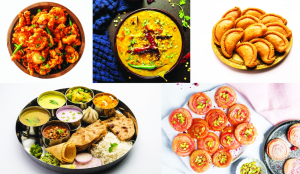
Among the most iconic preparations of Holi is gujiya, long associated with the festival across much of north and west India. A firm dough of refined flour and warm ghee is rolled into small discs and filled with roasted khoya enriched with sugar, coconut, nuts, chironji, and cardamom, sometimes lifted by rose petals or raisins. Folded into crescents and sealed with decorative crimps, the pastries are fried slowly to achieve a crisp shell and fragrant interior. Some are lightly dipped in saffron syrup, while others are stored dry and preserved for later use. Alongside gujiyas, saffron-scented kesar peda, dense circular shaped sweets of condensed milk solids, offer a different flavour to be shared with family and friends.
Malpua introduces a softer indulgence to this spread. A batter of flour, semolina, thickened milk, and sometimes banana is whisked until smooth and allowed to rest so that it fries evenly. Ladles are poured into hot ghee, forming small discs with tender insides and crisp edges. These are immersed in syrup scented with fennel and saffron, and often, paired with rabri, milk simmered slowly till layers of cream form and folded back into the pot until the texture turns rich and cohesive. In certain kitchens, laung lata is prepared as well, khoya and nuts enclosed in a folded pastry secured with clove, then fried and dipped so that sweetness carries a faint spice. These are not merely desserts but foods around which the festivities take place.
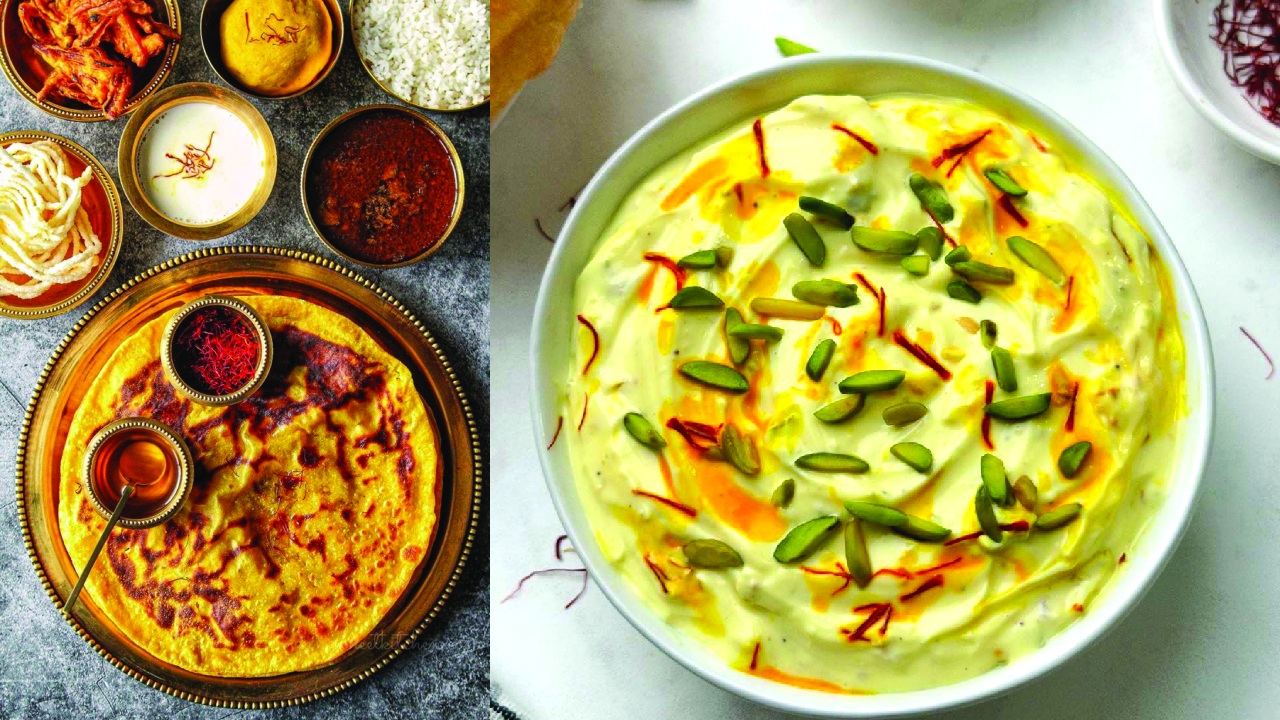
Cooling preparations balance this sweetness to enhance the menu. Shrikhand is made from strained yogurt, sweetened and flavoured with sugar, cardamom, and saffron, garnished with pistachios or almonds and sometimes served with puri as a delectable combination. Sabudana khichdi, prepared from soaked tapioca pearls tossed with roasted peanuts and cumin, introduces gentle savouriness suited to the season’s warmth and remains especially valued when lighter meals are preferred. Shakarpara coated in light syrup, besan laddoos shaped from roasted gram flour and ghee, coconut barfi cut into neat diamond shapes, and til aur mawa laddoos bound with sesame, khoya, and jaggery further extend the sweet repertoire that is shared through the day, with family and guests.
As the festivities progress and colours deepen, yogurt based dishes assume greater significance. Dahi vada, prepared from urad dal soaked overnight and ground to a fluffy batter, is fried gently and immersed in seasoned yogurt cooled with roasted cumin and black salt. Tamarind chutney lends sweetness and tang, while green chutney of coriander and mint introduces freshness. Alongside this, kanji vada introduces an older tradition of fermentation. The kanji is made from water, mustard seeds, and other spices, and is fermented for a few days to develop its characteristic sour, pungent flavour. Vadas are then soaked so they absorb this infusion, and the result is valued as a digestive aid that prepares the body for seasonal transition.
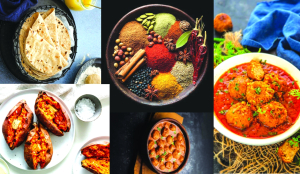
Savory fare is not left far behind, because Holi meals must sustain long hours of social movement, visiting, and extended gatherings. Kachoris filled with spiced moong dal or crushed peas are sauteed with asafoetida, fennel, coriander, and dried mango powder before being enclosed in dough and fried to layered flakiness. They are paired with aloo sabzi cooked in thick tomato and turmeric gravy. Chole enjoyed with bhature appears in many northern homes, chickpeas simmered with spices and ginger, garlic, and tomatoes, while fermented dough breads puff dramatically in hot oil. In parts of Uttar Pradesh, seasonal matar nimona made from freshly ground green peas simmered with potatoes and mild spices is served alongside puris, reflecting the arrival of spring produce. Aloo papdi chaat adds contrasting liveliness, crisp wafers layered with potatoes, chickpeas, yogurt, chutneys, onions, and sev, combining textures that mirror the festival’s energy.
Stored savouries such as mathri and namakpara ensure continuity of hospitality. Flour mixed with ghee and carom seeds is rolled, cut, and fried until crisp, allowing the snack to be enjoyed long after the colours have settled. Though associated strongly with Holi, it remains beloved throughout the year, reflecting how festival foods often transcend their seasonal origins. Regional nuances enrich this spread further. In parts of western India, specially Maharashtra and Gujarat, puran poli occupies pride of place on the table. Chana dal is cooked until tender, drained carefully, and blended with jaggery, nutmeg, and cardamom into a smooth filling that is enclosed within pliant wheat dough and rolled with patience before being roasted on a griddle with ghee. It is traditionally served alongside katachi amti, a lightly spiced lentil broth prepared from strained dal water, and tempered with mustard seeds, cumin, curry leaves, and dried red chillies. The pairing reflects a conscious balance between sweet and savoury, indulgence and restraint. Shrikhand,made from hung curd whisked with sugar and saffron, offers cooling relief suited to the warming season, while basundi prepared by slowly reducing milk into a thickened, sweetened consistency also appears in festive households. In arid regions of Rajasthan, dal baati served with spiced lentils and garlic chutney reinforces nourishment shaped by climate and terrain, while ghevar and other syrup soaked sweets occasionally mark celebratory tables as winter recedes.
Across central India, Holi’s agrarian character expresses itself with earthy robustness and layered textures. In Madhya Pradesh, mawa kachori filled with sweetened khoya and nuts is fried until crisp and dipped lightly in saffron syrup, offering richness without overwhelming sweetness. The region’s dahi bada is known for exceptional softness, the yogurt gently sweetened and generously topped with tamarind chutney, cumin powder, and red chilli. Bhutte ka kees, prepared by grating tender corn and sautéing it in ghee with mustard seeds, turmeric, green chillies, and milk, brings freshly harvested produce directly to the festive table. In Bundelkhand and surrounding areas, bedmi puri with aloo ki sabzi forms a hearty morning meal, the lentil infused dough fried to fullness and served with spiced potato curry. Karhi chawal prepared from yogurt and gram flour provides restorative comfort after extended celebration. In Bihar and eastern Uttar Pradesh, litti chokha carries particular pride. Wheat dough balls stuffed with sattu (roasted grains or pulses) mixed with mustard oil, ajwain, garlic, ginger, and lemon are baked over open coals, and eaten with chokha (mashed vegetables) of roasted eggplant, tomatoes, onions, and coriander. Dahi chura, flattened rice mixed with yogurt and jaggery, appears as a simpler preparation that reflects coexistence of restraint and abundance on the same festive table.
Through it all, thandai remains the unifying beverage of the northern and central parts of India. Almonds are ground with melon and poppy seeds, fennel, black pepper, rose petals, and cardamom, blended with chilled milk and lightly sweetened to cool the body after a meal. In Punjab and Haryana, spiced chaas tempered with roasted cumin restores balance, while in Rajasthan and western Uttar Pradesh, fermented mustard based kanji serves as a sharp seasonal digestive. In West Bengal and Odisha, sweetened milk infused with fennel or bel sharbat offers refreshment suited to the humid spring climate. In Tamil Nadu and parts of Karnataka, panakam (a spiced drink associated with temple rituals) of jaggery, dry ginger, and cardamom is served as a traditional offering, while badam (almond) milk enriched with saffron and nuts is enjoyed in urban households across the country. Together, these beverages reflect regional diversity grounded in seasonal moderation.
In eastern India, where the festival is observed as Dol Jatra or Dol Purnima, culinary expression assumes a devotional character. Images of Krishna and Radha are placed on ornate swings and taken in procession amid kirtan and chanting. Payesh, simmered slowly in milk and sweetened gently with sugar or jaggery, is often perfumed with bay leaf and cardamom and offered before it is consumed. Sandesh shaped from fresh chhena is moulded with restraint, sometimes lightly tinted with spring hues yet retaining simplicity. Pitha prepared from rice flour and coconut, steamed or lightly roasted, reflects agrarian reliance on rice cultivation and the closing of winter harvest cycles. In Odisha, chhena poda, a lightly caramelised cottage cheese dessert, appears in some festive homes. In Assam, til pitha and narikol laru connect sesame, coconut, and jaggery in preparations that echo agricultural continuity. These foods are less about exuberant indulgence and more about devotional offering, linking temple ritual, seasonal produce, and communal participation.
In the southern peninsula also, Holi unfolds through quieter observances rather than expansive public colour play, yet the culinary dimension remains equally meaningful. In Tamil Nadu, Kama Dahanam recalls the burning of desire and affirms restraint and renewal at the onset of spring. Paramannam prepared from rice, milk, and jaggery is offered in temples and homes before being shared among family members. Coconut based payasam simmered with cardamom and occasionally edible camphor reflects the agrarian landscape of coconut groves and paddy fields. In Karnataka and Andhra Pradesh, obbattu or holige prepared from chana dal blended with jaggery and cardamom is encased in soft dough and roasted patiently with ghee, its preparation demanding steady hands and careful rolling. Medu vada from fermented urad batter provides savoury depth, while kosambari made from soaked lentils, grated coconut, green chillies, and tempered mustard seeds offers a light accompaniment suited to the rising warmth. In some regions, pulihora prepared from rice tempered with tamarind and spices appears as part of temple offerings, reinforcing balance between sour, sweet, and spice. Across this region, Holi may manifest with devotional restraint, yet its culinary nature of renewal, discipline, and sacred hospitality remains unmistakably intact.
Holi’s cuisine is therefore not merely indulgence but represents gratitude and seasonal intelligence refined over generations. It nourishes not only the body, but the bonds that make celebration meaningful. Recipes differ across regions yet carry memories of past experiences, agricultural rhythms, and collective generosity. Even in contemporary times, Holi retains not only its joyfulness and mirth but serves as a remembrance of a shared cultural and spiritual heritage built around the change of seasons. I believe that in these gestures there lies an inheritance that extends beyond taste, transmitting patience, discipline, and respect for seasonal cycles that calls for recognition and appreciation.
When the colours are finally washed, what endures is not only the memory of playful revelry but an understanding of the values that give the festival its depth. Holi affirms that celebration must be anchored in gratitude and hospitality. It is my belief, therefore, that it becomes our shared responsibility to ensure that future generations inherit more than the spectacle of colour. They must understand and absorb the virtues of Prahlada, the discipline of Holika Dahan, the agricultural wisdom of seasonal cooking, and the culinary traditions that bind us together as an ancient enlightened civilisation. In preserving these practices within our homes, I believe, we preserve and celebrate the ethos that Holi represents. In kitchens across the nation, spring must continue to be welcomed not only with colour, but with understanding, continuity, and abundance prepared in togetherness.
(The writer is Secretary, Cuisine India Society); views are personal