Bhajan Clubbing and the Revival of India’s Folk Soul
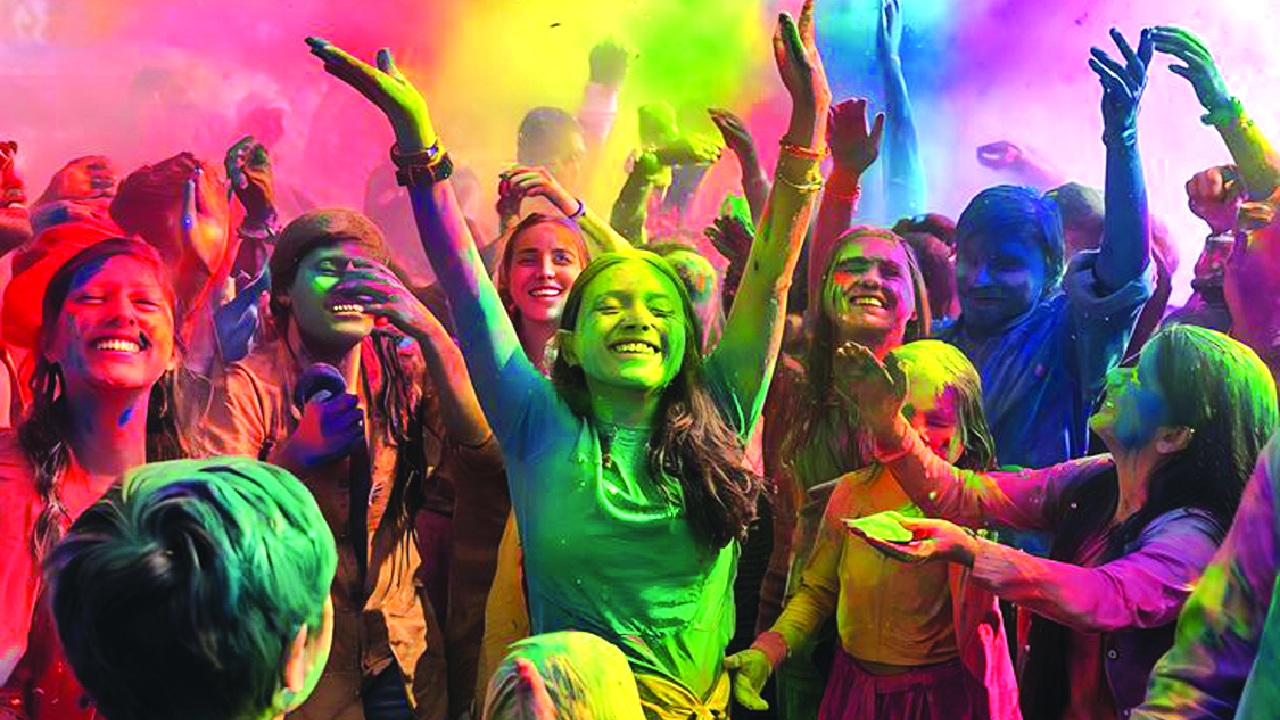
In the 26 January 2026 episode of Mann Ki Baat, Prime Minister NarendraModi highlighted the growing trend of “bhajan clubbing” in Indian cities - a cultural innovation where young people are reconnecting with devotional and folk music in urban settings. Gen Z and Millennials are driving this unexpected shift, seeking moments of calm and soulful engagement amid the constant noise and hustle of modern life. Far from being a novelty, this new form of “clubbing” is emerging as an innovative vehicle for the revival of India’s fading folk traditions. What once belonged primarily to temples, family gatherings, or religious festivals is now finding expression in urban auditoriums, cafés, and even curated nightlife spaces.
When Presentation Shapes Popularity
Culture survives not merely by existing but by being presented well, especially to the young generation. Earlier, when Bollywood and television had not deeply penetrated rural India, folk songs flourished naturally. People sang them in fields, courtyards, and village gatherings; they were not “events” but part of lived culture. Even when radio and later TV arrived, there was still space. Film songs had their slots, and folk returned in its season during appropriate occasions. But the internet, smartphones, and YouTube changed the rhythm completely. Music became instantly consumable. DJs amplified the same downloadable tracks at high volume, gradually taking over even seasonal spaces. In places like Uttar Pradesh and Bihar, Faag, traditionally sung from BasantPanchami to Holi, is increasingly replaced by DJ pool parties during the festival. What was once a community singing tradition is now often reduced to loud, ready-made playlists.
Why Bhajans Survived and Folk Songs Faded
Unlike many seasonal or occasion-specific folk forms, devotional music endured. Bhajans remained relevant because they are deeply intertwined with Hindu religious practice. One cannot easily separate bhajans from rituals such as Aarti, Mata kiChauki, Hare Ram Jaap, and Sundarkaand or RamcharitmanasPaath. They are not merely performances but participatory expressions of faith and are included in most of the auspicious events of the people.
From cassettes and television to social media platforms, devotional music has continuously adapted to new media. There is no surprise that Hanuman Chalisa is the most-played video on YouTube. Companies like T-Series, particularly through their regional channels, have recorded and circulated numerous traditional and devotional songs. Through these easily accessible platforms, many young listeners have been introduced to ballads like Alha-Udal, which narrate heroic folklore from Bundelkhand.
Simultaneously, Tier-2 and Tier-3 cities have sustained vibrant traditions of collective devotional singing. What metropolitan India now calls “bhajan clubbing” has long existed in these towns as religious jamming sessions and community recitations.
Folk Songs: Seasonal, Social, and Nearly Forgotten
India’s folk music is richly seasonal and situational. In North India alone, one finds traditions such as Faag, sung during Holi; Chaita, associated with the month of Chaitra; Biraha, expressing separation and longing; andKajri, the melodies of the monsoon. Across the country, similar forms flourish: the Baul songs of West Bengal,Lavani of Maharashtra, Bihu songs of Assam, Mando of Goa, Pandavani of Chhattisgarh, and Maand of Rajasthan.
And who can forget the Sohar of Bihar and eastern Uttar Pradesh, sung to welcome a newborn? The recent revival of the line ‘Aye Raja JiTahre Ta Rahal Ha Jarurat’shows that folk never truly vanishes; it simply finds new stages and new voices. Many of these forms are month-specific, festival-bound, or rooted in agrarian cycles. Urban youth, detached from these rhythms, rarely encounter them. Without exposure, interest cannot develop.
As Holi approaches, Faag gatherings offer a far better way to enjoy and celebrate one’s culture than playing item songs or DJ tracks with foul lyrics at pool parties, where inappropriate behaviour and breaches of women’s dignity are reported every year. The issue is not modern music itself, but the displacement of songs that once defined the festival’s cultural fabric by noisy, inappropriate, and explicit tracks that were never part of the traditional celebration. Promoting Faag and other folk music serves a dual purpose: it preserves and honours our cultural heritage while creating a safe, meaningful, and joyous way for people to participate in the festival.
Bhajan Clubbing as Cultural Bridge
The rise of bhajan clubbing in metro cities offers hope. It demonstrates that young Indians are not inherently disinterested in tradition; they respond to how it is curated. When devotional music is arranged with acoustic fusion, storytelling, subtitles, or contextual explanations, audiences engage. The lesson is clear: tradition survives when it adapts its form without surrendering its essence.
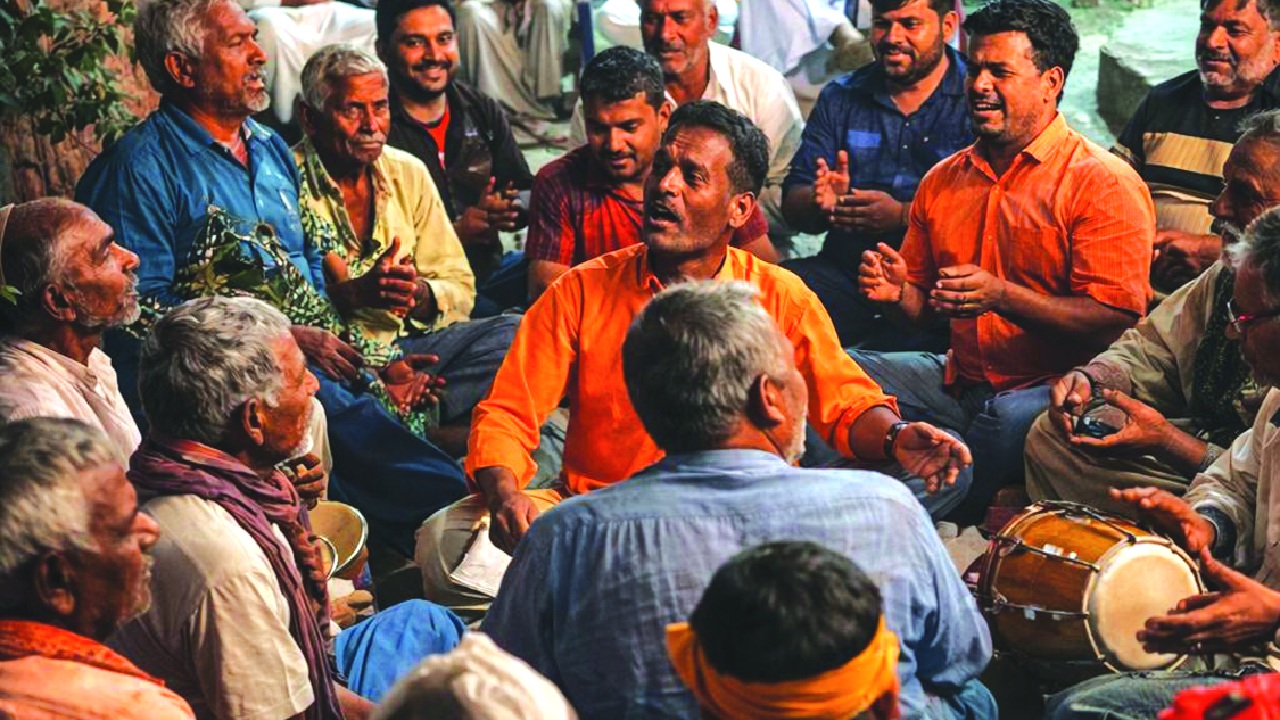
If bhajans can fill urban halls, why not kajri nights during the monsoon? Why not Faag festivals during the Holi season in universities? Storytelling sessions around Biraha or Alha-Udal, reimagined with contemporary instrumentation yet preserving lyrical integrity, could achieve the same. Today, college fests and similar platforms across India can provide an ideal stage for folk song clubbing, linking performances to local culture in a meaningful way instead of spending huge sums to bring social media influencers to their campuses.
A Response to Sonic Fatigue
There is also an aesthetic factor at play. Much of contemporary commercial music, especially formula-driven film songs, can feel sonically repetitive. The lyrics have lost their meaning in the noisy and trance-like beats. Those who are seeking freshness and more connection with music find that the rawness of folk melody and the communal energy of devotional singing offer something refreshingly participatory. Folk music invites chorus, clapping, and call and response; listeners are not lost in the loudness of beats, and it creates community rather than passive consumption. It is also seasonal, offering a variety that reflects India’s festivals, weather, and changing seasons.
Revival through Relevance
Bhajan clubbing is not merely about religion; it is about reclaiming participatory music culture. This evolving form opens space for folk traditions to re-enter mainstream cultural life. India’s cultural heritage has never truly vanished; it has merely awaited re-presentation. Young people are not passive consumers of culture; when given the right space, they become its participants. If clubbing can make space for devotion, it can certainly make space for tradition.