Muziris: A civilisational continuum of the spice route

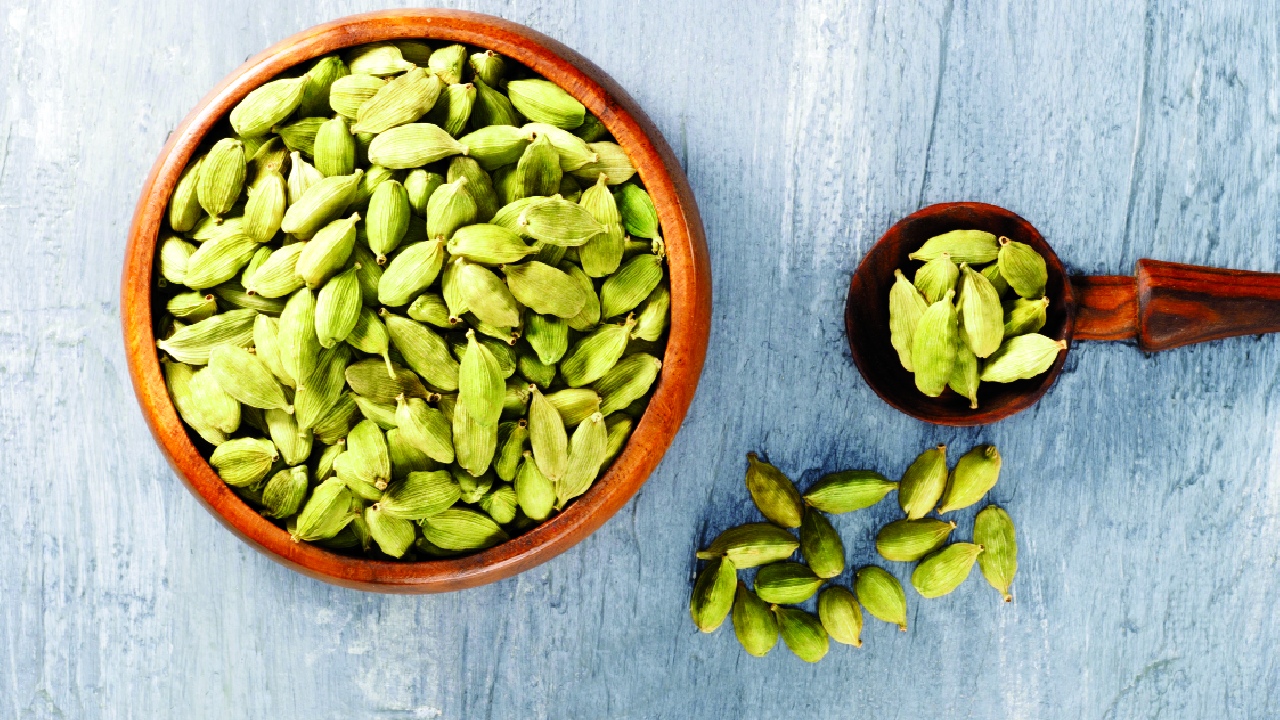
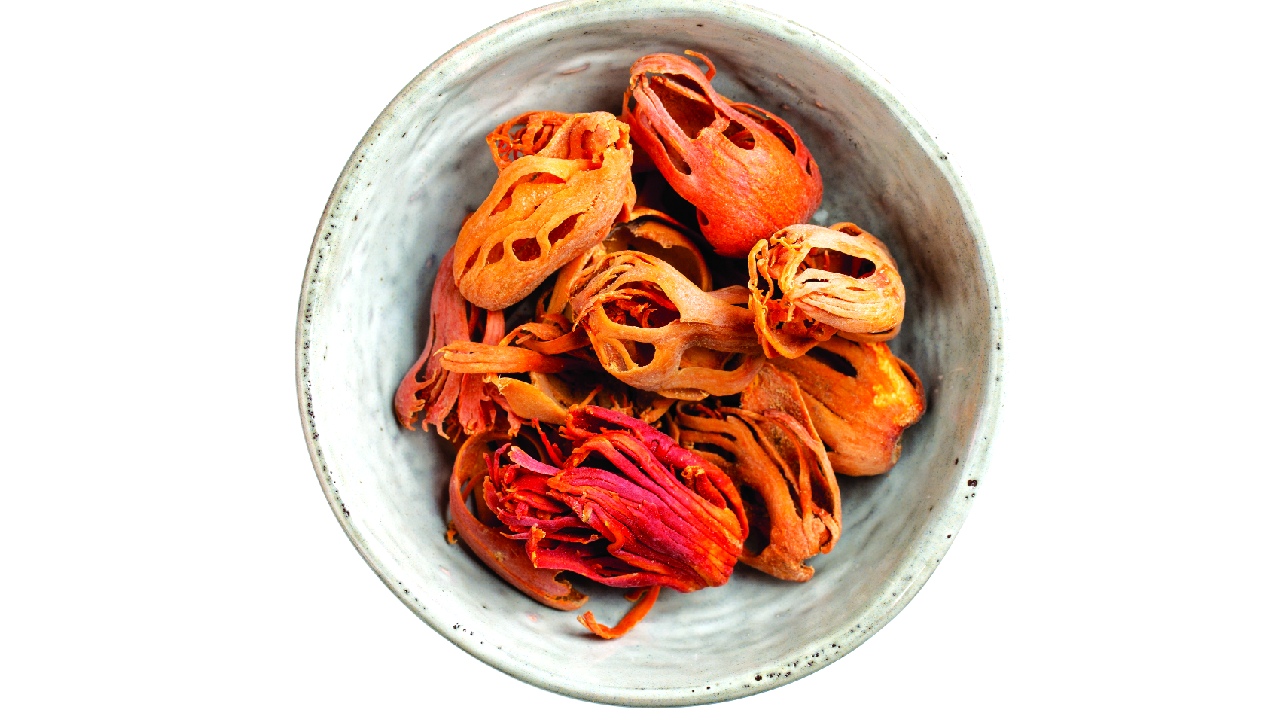
Long before political borders and modern trade routes reshaped the world, Kerala's Malabar Coast stood as one of the great theatres of cultural exchange. The West came calling for its exotic spices that were unique to the place — black pepper, cardamom, cinnamon, cloves, ginger, nutmeg and turmeric. Carried by the rhythm of the monsoon winds, ships sailed into ancient Muziris not merely with cargo, but with languages, beliefs, aesthetics and ideas. It was also a place where culinary exchange took place. Many exotic fruits and vegetables were introduced to India through Kerala. Tomato, onion, potato, cauliflower, etc, which are today deemed to be Indian and are an indispensable part of the Indian kitchen, come from Europe and South America. Today, through the Muziris Network and the International Spice Routes Conference, Kerala is reclaiming that legacy — repositioning itself not only as a historic spice hub, but as a living maritime civilisation shaped by dialogue across oceans.
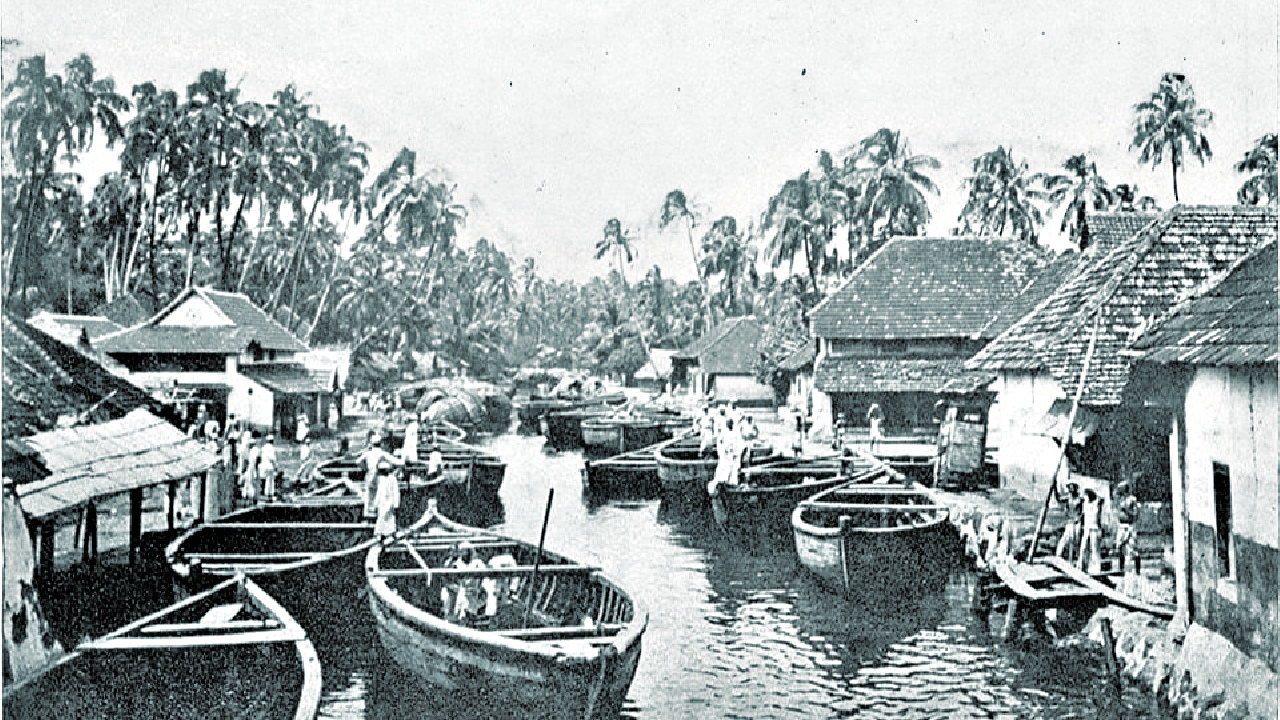
Ancient Muziris, believed to have flourished between the 1st century BCE and the 14th century CE, connected India with the Mediterranean, Arabia, Africa and Southeast Asia. Classical accounts such as the Periplus of the Erythraean Sea and writings of Pliny the Elder described it as a thriving centre of pepper trade — "black gold" that drew Roman merchants across perilous waters. Yet archaeological discoveries at Pattanam — Roman amphorae, Mediterranean pottery, West Asian ceramics, beads and coins — reveal something deeper: Muziris was a cosmopolitan settlement where cultures converged and coexisted.
This layered history now finds renewed life in the Muziris Network, a curated cluster of heritage sites across north Kerala. Rather than restoring a single monument, the project adopts a landscape approach, preserving temples, churches, mosques, synagogues, palaces and archaeological remains that together narrate centuries of maritime exchange. It is as much a cultural movement as a conservation initiative — linking research, museum curation, heritage tourism and contemporary art into a living dialogue between past and present. The gold and silver that came from the spice trade filled the coffers of Kerala merchants and made them rich beyond proportion. Their palatial buildings dot the entire region.
Muziris fostered one of the earliest examples of multicultural coexistence in South Asia. Jewish, Christian, Muslim and Hindu communities flourished side by side along the coast. The synagogues of Paravur and Chendamangalam, early Syrian Christian churches and ancient mosques stand as enduring testimonies to this plural heritage. Maritime contact nurtured not only trade but tolerance - encouraging linguistic diversity, culinary cross-pollination and artistic synthesis that continue to define Kerala's identity.
The spirit of this cosmopolitan past resonates powerfully in the Kochi-Muziris Biennale, India's largest contemporary art exhibition. Drawing inspiration from Muziris' ethos of openness, the Biennale invites global artists to engage with themes of migration, hybridity and memory - echoing the exchanges that once defined the port city. Literature too reflects this maritime imagination, from Sangam poetry celebrating Yavana traders to modern scholarship exploring transoceanic histories.
Historically, spices such as pepper and cardamom moved westward, while gold, wine and luxury goods arrived from Rome and West Asia. But commerce in Muziris extended beyond commodities — it was an exchange of worldviews. The prosperity generated by trade reshaped local economies and social structures, embedding Kerala within a vast Indian Ocean network long before the age of globalisation.
That legacy gained contemporary momentum as Kochi hosted the first-ever nternational Spice Routes Conference at the historic Bolgatty Palace. Organised by the Muziris Heritage Project in collaboration with the Kerala Tourism Department, the conclave marked a significant step towards establishing a transnational Spice Routes Heritage Network. The presentation of its Charter signalled a new phase of cultural diplomacy among nations historically connected by the ancient trade corridor.
The conference unfolded as a sensory journey through history. Delegates participated in curated heritage trails across key Muziris sites, embarked on traditional sea voyages recalling ancient maritime journeys, and attended special showcases linked to the Kochi-Muziris Biennale. Performances of Kerala Jewish songs and the Latin-Christian classical dance-drama Chavittu Nadakam illuminated the layered exchanges that shaped the region's cultural fabric.
In reimagining Muziris and reviving the Spice Route narrative, Kerala is not indulging in nostalgia. It is reclaiming a civilisational identity forged through openness to the world. Against the backdrop of the Arabian Sea, the state is making a compelling statement — that its maritime past is not a relic of history, but a dynamic foundation for cultural engagement in the 21st century.