Maha Shivratri: Fasting, faith, and the sacred kitchen
Maha Shivratri, the Great Night of Shiva, is among the most profound observances in the Hindu calendar, providing devotees an opportunity to transcend from the transience of existence to the eternal. It celebrates Shiva, as the pure consciousness, and the cosmic force of dissolution that makes renewal possible. In the Hindu pantheon, Shiva is worshipped not merely as a god but embodies vairagya, detachment without abandoning responsibility. He signifies freedom from ego, desire, and fear, not through denial of life, but through mastery over the self. Shiva holds these contradictions in perfect balance, being an ascetic and householder, fierce and compassionate, still and dynamic. Observed through fasting, prayers and reflection, the night is believed to heighten spiritual awareness, making it a moment when spiritual attainment and inner transformation occur spontaneously.
Preparation for Maha Shivratri commences well before the occasion. Homes and shrines are cleaned, devotees rise early, perform bathing rituals symbolizing purification of the self, and dress in attire that is simple and traditional. Sattvic food ingredients are readied, especially milk signifying purity, fruits embodying nature, honey representing sweetness born of discipline, and bilva leaves, believed to be cherished by Shiva, for representing the threefold balance of creation, preservation, and dissolution. Together, the preparation of ritual fasting meals itself becomes a form of devotion, where the process is considered as sacred as prayer.
Over the years, communities shaped a distinct culinary tradition that is specific for the austerity of the occasion, guided by Ayurvedic knowledge and practices. Sattvic foods that are light, and easily digestible are chosen over rich and spicy preparations associated with tamas. Grains are replaced by alternative flours, common salt by rock salt, and spices are used sparingly. This is traditionally seen as ways to gently clear the tamasic inactivity, accumulated during the winter months, preparing both body and mind to move toward clarity and renewed activity.
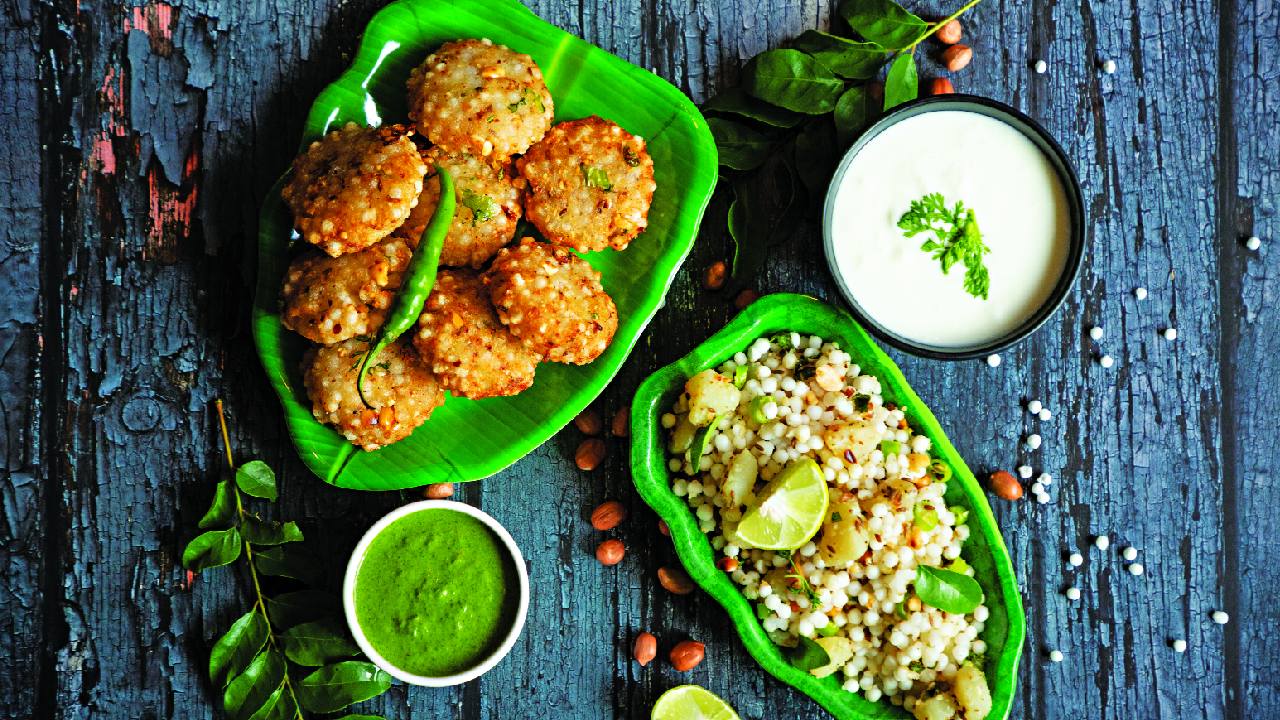
The manner in which fasting food is eaten during Maha Shivratri also carries cultural resonance. Many devotees begin the day with fruits and milk that are offered at altars before being consumed. Lunchtime, for those who observe a partial fast, is also kept light with dishes like khichdi made of sabudana, sweet potato chaat or farali potatoes symbolizing sustenance without excess. At dusk, when the evening deepens and the intensity of the occasion is manifest, the main meal is shared with reverence. Breads such as kuttu (buckwheat flour) ki puri and rajgira (protein-rich amaranth flour) roti are enjoyed in modest portions alongside the seasonal vegetables and sweet dishes. The atmosphere is sombre, conversation subdued, and focus is on prayers and anticipation of the spiritual experiences to follow.
Among the most widely enjoyed fasting ingredients during Maha Shivratri is sabudana, (tapioca pearls) as its mild flavour and easily digestible carbohydrates make it ideal for fasting days. One of the most popular and comforting sabudana dishes is Sabudana Khichdi. It is prepared by soaking in water until it becomes soft, then sauteed gently in ghee with cumin seeds for its aroma. Boiled, diced potatoes and crushed roasted peanuts are added, giving it a distinctive flavour. Mild green chillies provide subtle heat, and rock salt seasons the dish without overpowering it. To top it all, a fresh squeeze of lemon juice at the end gives the dish its tangy taste. Sabudana khichdi is typically eaten at midday or early evening before commencing the fast . It provides steady energy while remaining light on the stomach, helping devotees to stay comfortable and focused on their evening prayers.
Apart from khichdi, sweet dishes are also made using similar ingredients. Sabudana Kheer is a mildly sweet dessert that many devotees prepare for the evening meal. Sabudana are soaked and then simmered gently in milk until they soften and blend into the creamy base of milk. Cardamom, saffron, or a hint of jaggery can be added to enhance the fragrance and subtle sweetness of the dish. Dry fruits like almonds and pistachios are added to provide texture and crunch. Sabudana kheer is traditionally served after the main night prayers, providing a sense of completion at the end of a long day of fasting and prayers.
Beyond sabudana and dairy, the fasting menu includes various breads made from special flours. Kuttu (buckwheat flour) ki Puri, for instance, is a favourite among devotees who want a sense of a proper meal during the fast. The flour is prepared into a soft dough by adding water and kneading it along with rock salt. On occasions, mashed potato is added to the dough that enhances its texture nutritional value. After making small buns of the dough, they are rolled flat and fried in ghee until the puris puff up and attain a crisp, golden hue. Often served with a simple side of lightly spiced boiled potatoes or plain yogurt, kuttu ki puri provides a comforting meal that sustains strength through the long evening.
Likewise, Rajgira Roti or Rajgira Paratha is made from amaranth flour, and is considered a defining link in the fasting menu as it is valued for its protein, fibre, and mineral content. To prepare it, amaranth flour is combined with mashed boiled potatoes and enough water to form a soft dough. This dough is then rolled into circular or rectangular pieces and cooked on a heated griddle with a light brush of ghee. The resulting flatbread is often enjoyed with lightly spiced yogurt, or simple potato dishes. Because amaranth flour is naturally gluten-free and rich in nutrients, these rotis provide a satisfying alternative to heavier grain breads while remaining consistent with fasting guidelines.
Root vegetables such as sweet potatoes have an important place on the Maha Shivratri table. A common and refreshing preparation is Sweet Potato Chaat. In this dish, boiled sweet potatoes are diced and tossed with rock salt, black pepper, and a squeeze of lemon juice. The natural sweetness of the potato harmonises with the tang of lemon and the mild seasoning, creating a dish that is both nourishing and light. Sweet potato chaat can be enjoyed as an afternoon snack or as part of the evening meal, providing a balanced blend of sweetness, texture, and sustenance.To balance the richness of fried breads, Lauki Raita, is an ideal accompaniment. The bottle gourd is grated, lightly boiled until soft, and then mixed with fresh yogurt, rock salt, and roasted cumin powder. The preparation not only acts as a probiotic but is hydrating, during the long hours of wakefulness.
Farali Potatoes, also known as suki bhaji is a staple fasting dish across Western and Central India. This dry potato dish is made by boiling or lightly frying potatoes until tender and then seasoning them with rock salt, cumin seeds, groundnut powder and sesame seeds. The result is a savoury, flavourful dish that pairs well with breads like kuttu ki puri or rajgira roti. They are eaten after evening prayers to provide steady energy and sustain the body through the night. Dahi Aloo, another light snack and accompaniment is prepared with boiled potatoes simmered in a yogurt-based gravy seasoned with cumin and mild spices permitted during fasting. Arbi Fry also finds a place on fasting plates in several northern and central Indian households. Taro roots are boiled until tender, peeled, and sliced before being shallow fried in ghee with cumin seeds and a touch of black pepper. The exterior turns lightly crisp while the inside remains soft and earthy in flavour. Seasoned with rock salt, this preparation offers contrast to softer dishes such as kheer or khichdi, making it a welcome addition during the long vigil.

Another vrat-friendly grain that frequently appears on the Maha Shivratri menu is samak rice, also known as barnyard millet. This grain is a traditional substitute for rice during fasting days and is light and easy to digest. A simple preparation involves rinsing the samak rice and cooking it with ghee, rock salt and a few mild spices until it becomes fluffy. Small cubes of boiled potatoes and roasted peanuts can be stirred in it for flavour and texture. Samak rice can be served as a pulao or a simple khichdi, depending on household preference. Its mild flavour and comforting texture make it a popular choice for the evening meal after the night’s prayers.
In some households, variations of samak rice are prepared, such as steamed samak rice dhokla or pancakes made from water chestnut flour batter. These dishes add variety to the fasting menu and demonstrate how traditional fasting ingredients can be transformed into diverse and nourishing forms, all while respecting the underlying principles of simplicity and purity.
Dairy plays a significant role in Maha Shivratri food, both for its symbolic resonance and its nourishing properties. While milk is consumed either gently warmed or even cooled, many households prepare beverages such as Thandai. This is a cooling drink made by grinding a blend of nuts and seeds, including almonds, fennel seeds, melon seeds and spices like cardamom, and blending this paste with chilled milk. The drink is refreshing and subtly sweet, providing both energy and hydration to the fasting devotee. Thandai is often consumed during the early evening or after prayers, particularly on warm days when hydration is especially welcome.
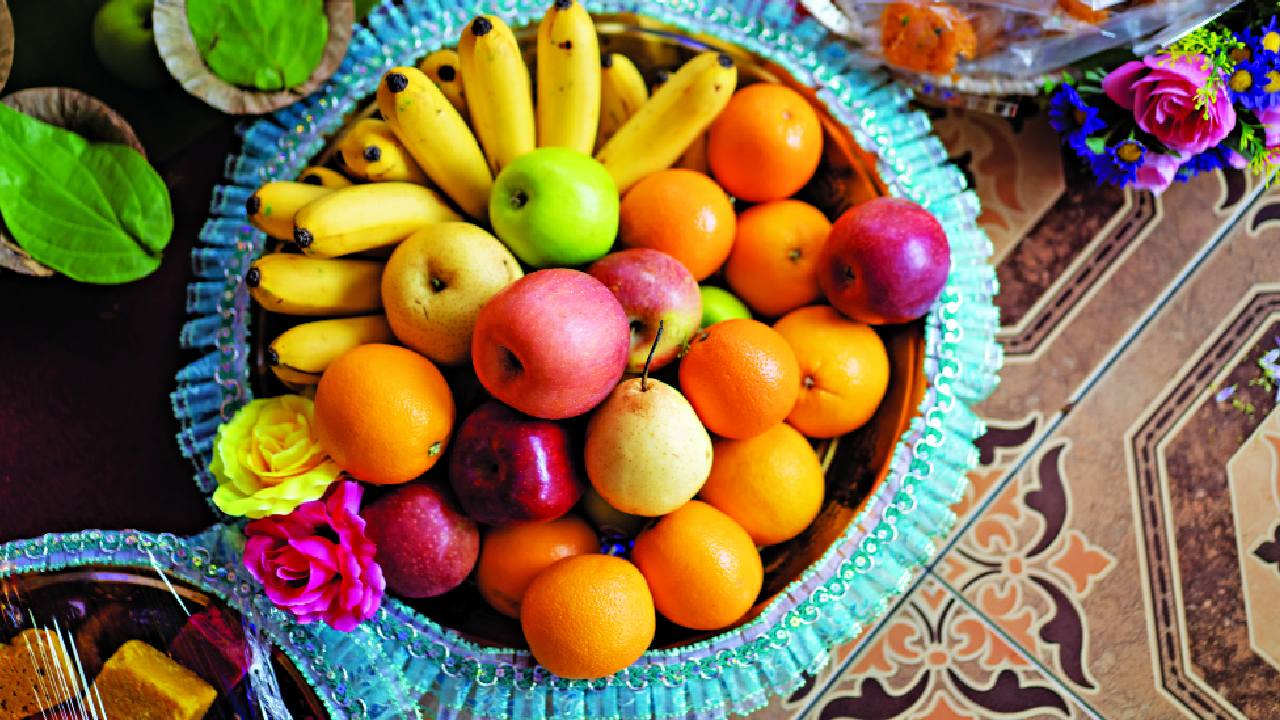
Fruits and dry fruits are equally significant as they are rich in natural sugars, fibre, and hydration, making them ideal for sustaining energy throughout the day without taxing the digestive system. Seasonal fruits such as bananas, apples, pomegranate, papaya, and ber are seasonal and used liberally. Ber, which ripens during this season, holds particular importance as its modest appearance and earthy sweetness is in harmony with the simplicity associated with Shiva’s ascetic character. Offered whole at the altar and later consumed as part of the fast, ber also embodies humility and seasonal alignment. The emphasis on seasonal fruit consumption during Maha Shivratri is not incidental but reflects an ecological wisdom that encourages devotees to remain attuned to nature’s cycles even in devotion.
While the philosophical core of Maha Shivratri remains consistent in different parts of the country, the manner of observance reflects India’s regional diversity. In North India, temples devoted to Shiva witness uninterrupted recitation of sacred chants and hymns, devotees offer milk and water to the Shiva lingam, and night-long bhajans fill the air. Fasting meals here are mostly grain substitutes and warm, suitable for the lingering winter chill of North India. In Eastern India, particularly in Odisha and parts of Bengal, the festival carries a devotional austerity marked by temple processions and community prayers, with simple fruit-based fasting and milk offerings dominating the day. Southern India observes the night with remarkable discipline in major temples where devotees perform elaborate abhishekam as traditionally prescribed through the night, accompanied by Vedic chanting. Meals in this region have a liberal use of coconut, millet-based preparations, and lighter dishes suited to the region’s warmer climate. In Western India, especially in Maharashtra and Gujarat, communal bhajans and temple gatherings are prominent, and the fasting table includes peanut-based dishes, sabudana variations, and amaranth breads that reflect regional agricultural patterns. These regional nuances do not alter the spiritual intent but enrich it, demonstrating how a shared sacred rhythm can find expression through local ecology and cultural practice.
Offerings to Shiva similarly reflect regional sensibilities while retaining symbolic continuity. In the northern belt, devotees commonly offer milk, curd, honey, ghee, sugar, bel leaves, and seasonal fruits including ber as part of the ritual abhishekam. In the East, bael fruit, coconut, and water from sacred rivers accompany milk offerings, emphasizing purity and surrender. Southern temples are known for elaborate ritual bathing ceremonies where milk, tender coconut water, sandalwood paste, vibhuti, and bilva leaves are offered in carefully sequenced rites. In Western India, along with milk and bel leaves, offerings often include panchamrit prepared from milk, curd, honey, sugar, and ghee, later distributed as prasad. Across regions, these offerings maintain a consistent symbolism of purification, balance, and devotion, even as their presentation reflects local tradition.
Maha Shivratri, thus, is far more than a night of ritual observance with divine significance but a civilisational heritage of a cuisine aligned with fasting and spiritual discipline. The cuisine associated with the day, like farali potatoes, kuttu preparations, rajgira rotis and simple fruit-based meals, is not peripheral but integral to the occasion. These foods are intentionally curated to sustain the body lightly to enable sharpening of inward attention and meditation, reflecting an ancient understanding of balance between body and mind. Over centuries, this culinary restraint has helped translate abstract spiritual ideas into living practices, and allows devotees to participate in a shared cultural ethos for a common spiritual purpose.
I believe that this historically recognised spiritual and cultural event, represents an unbroken thread of India’s civilizational and social life. It should, therefore, be our endeavour to preserve its cuisines and traditions not as an act of nostalgia, but as a responsibility to future generations.
When practices are retained with their original intent, rooted in symbolism, ecology and restraint, they offer young Indians an authentic connection to their heritage. Let us, therefore, endeavor to safeguard the traditions of Maha Shivratri as both a spiritual observance and a culinary experience, so that the nation preserves a living archive of values that have shaped our collective life for millennia.
(The writer is Secretary, Cuisine India Society); views are personal