The Food Philosophy of Makar Sankranti
The festival of Makar Sankranti, which falls on the 14th of January this year, marks a rare event where astronomical precision and civilisational memory converge. It commemorates the moment when the Sun enters Makara (Capricorn) and begins its northward course, marking the return of longer days, warmth, and vitality after the repose of winter. Celebrated across India under different names and traditions, the festival carries the unifying message of gratitude for what has been and hope for the collective well-being of all in the times to come. It signals not merely a change of season, but an acknowledgement that prosperity is meaningful only when recognized with humility, shared with others and aligned with the larger cosmic and agricultural order.
Central to the festival is its agrarian significance. Makar Sankranti is observed at a time when the winter crops in many parts of the country are ready to be harvested, making it an occasion for thanksgiving to the Sun as the sustainer of life, and to nature for its generosity. From rice and lentils in the south and east, to sesame and jaggery in the north and west, each region shapes its observance around local crops, climate, and culinary memory. Yet beneath this rich diversity lies the acknowledgement of cosmic order, agricultural abundance, and the promise of renewal that sustains both land and people alike.
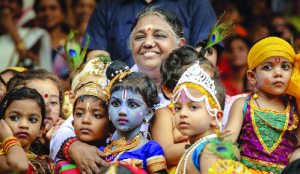
Makar Sankranti is as much a joyful celebration as it is a seasonal and spiritual one. Across India, young and old alike adorn new clothes in styles and colours that are symbolic in their culture and regions. Colour holds a deep significance for dresses, with yellow symbolizing harvests and prosperity, red signifying energy and auspiciousness and green representing growth and freshness. In the north, phulkari embroidered Punjabi ensembles, accompanied by matching drapes are worn while bandhani and ghagra-cholis are the popular choice in Gujarat. In the southern states dressing leans towards silk sarees with elaborate borders, temple jewellery and jasmine threads that adorn hair braids, but the emphasis remains on elegance rather than extravagance. Apart from dresses, the festive atmosphere is enhanced with kite flying, songs and music, community meals, and household pujas that bind families and neighbourhoods together.
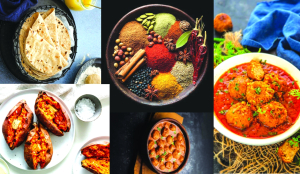
As with most Indian festivals, cuisine is a defining feature of the celebration with meticulous attention paid to the historical, spiritual and cultural significance of the occasion. Ancient agrarian societies believed that the body, having adapted to winter through slower metabolism and lighter diets, now require warmth that is robust and reinvigorating. The cuisine that evolved over time, accordingly, reflects just this understanding. Across regions, ingredients such as sesame, jaggery, newly harvested rice, lentils, seasonal greens, and milk products form the core of preparations. These foods are known to be nutritious, support digestion, and provide steady energy. They are curated into meals that balance flavour with restraint and nourishment with ritual meaning, reinforcing the idea that eating itself can be an act of alignment with nature’s cycle.
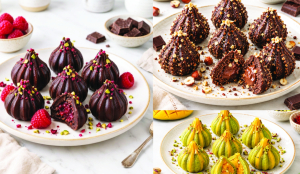
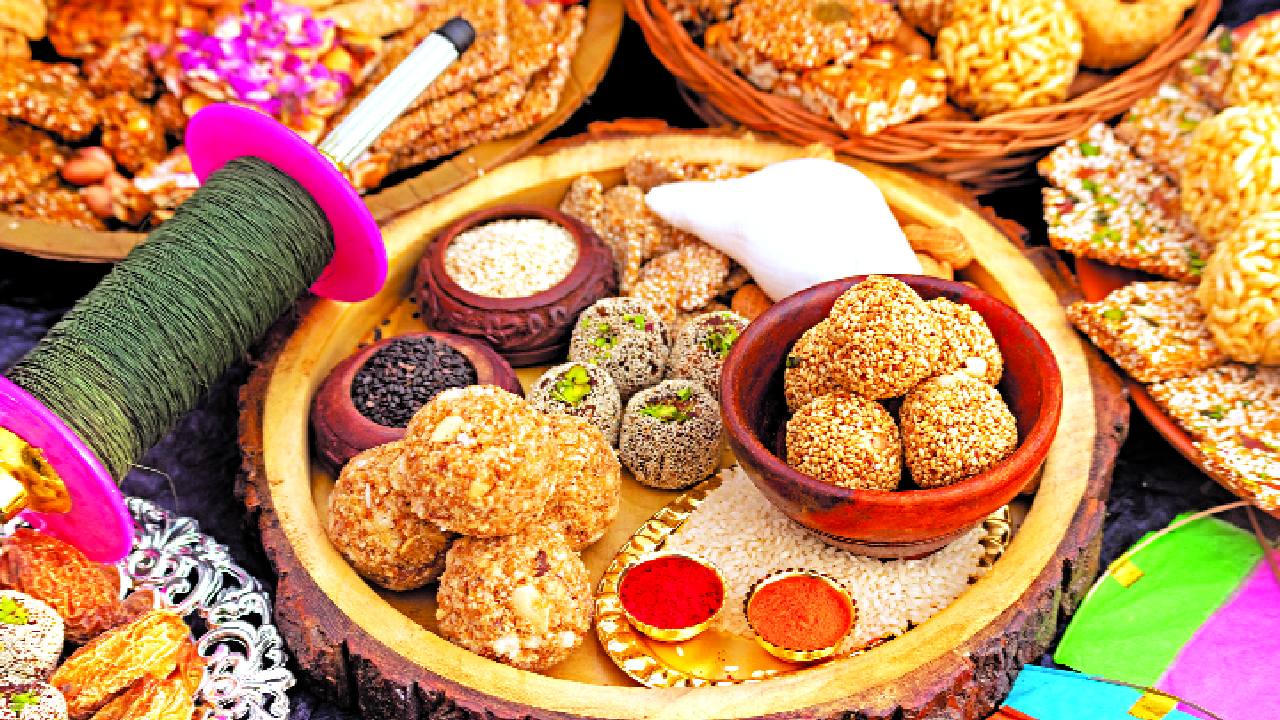
In many parts of North India, particularly Uttar Pradesh and Bihar, Khichdi remains the most recognized preparation, so much so that the festival is often called “Khichdi Parv.” Rice and split lentils are cooked together with turmeric and minimal seasoning into a soft, warming dish that is easy to digest and ideal for the seasonal transition. Variations include Urad Dal Khichdi and Vegetable Khichdi enriched with winter produce. A unique preparation is Til ki Khichdi, where roasted sesame is added, lending warmth and subtle flavour. Accompaniments are Til ki chutney, ground from roasted sesame with mild spices, which serves as a digestive aid, while Char Yaar, the four companions of ghee, pickle, chutney, and papad, add zest to the meal. Dahi Chura, flattened rice mixed with fresh yogurt and jaggery, provides a light morning meal after ritual bathing. In Sindhi households, Dal Pakwan is prepared, where crisp flatbreads accompany spiced lentils, reflecting the role of protein-rich legumes. Sesame sweets such as laddoos and chikki are shared, complementing rather than defining the meal.
Punjab on the other hand celebrates this festival with high-energy food often shared around a bonfire with family and friends. The staple on this occasion is Makki ki Roti and Sarson ka Saag, which is flatbread made of corn flour and served with mustard greens topped with a liberal helping of home-made white butter. Pinni, a sweet round shaped candy made from wheat flour, jaggery, nuts and desi ghee and Kheer that is a traditional pudding made with rice and sugarcane juice or milk round up the meal. Til laddoos are made by dry roasting sesame seeds until they release their aroma, then mixing them into warm jaggery syrup that has been cooked to a soft binding stage. Sesame provides healthy fats and heat, while jaggery aids digestion and is a good source of iron. Groundnut chikkis, puffed rice with jaggery, and roasted grams that are lightly salted are also common, especially in rural communities where portability and simplicity remain valued.
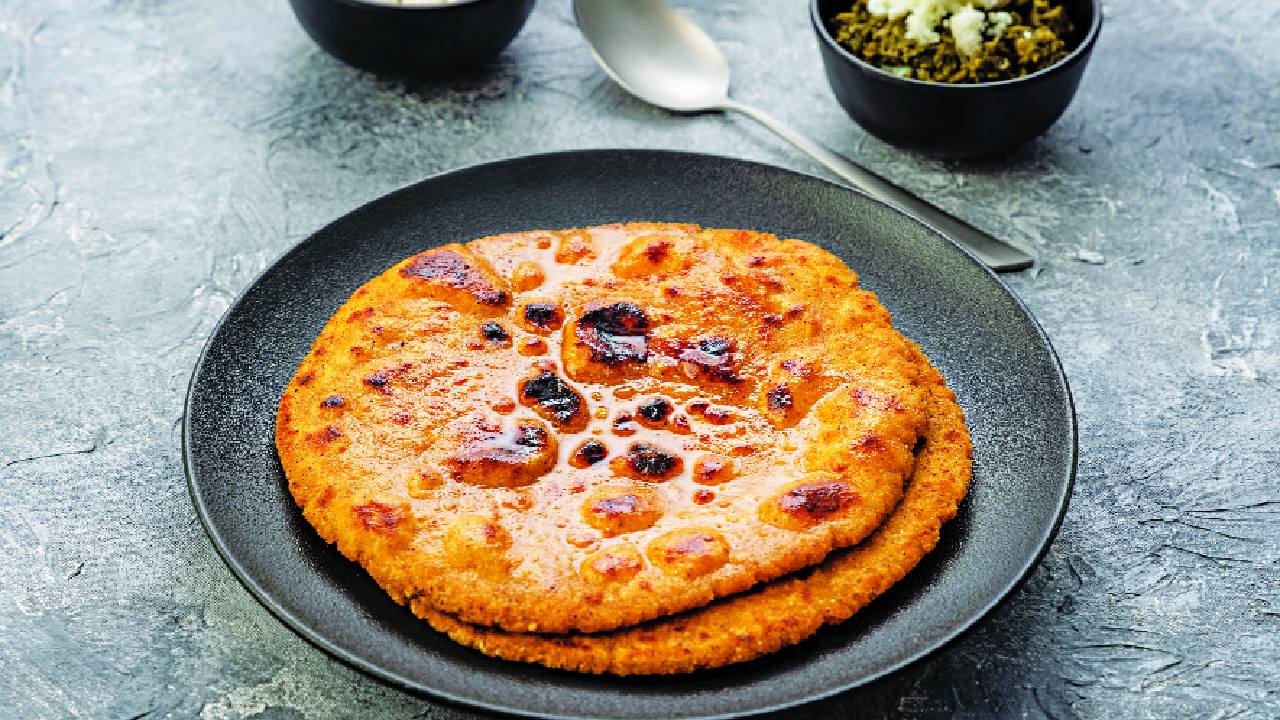
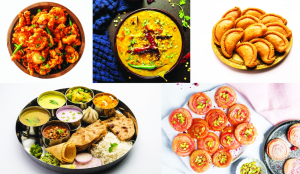
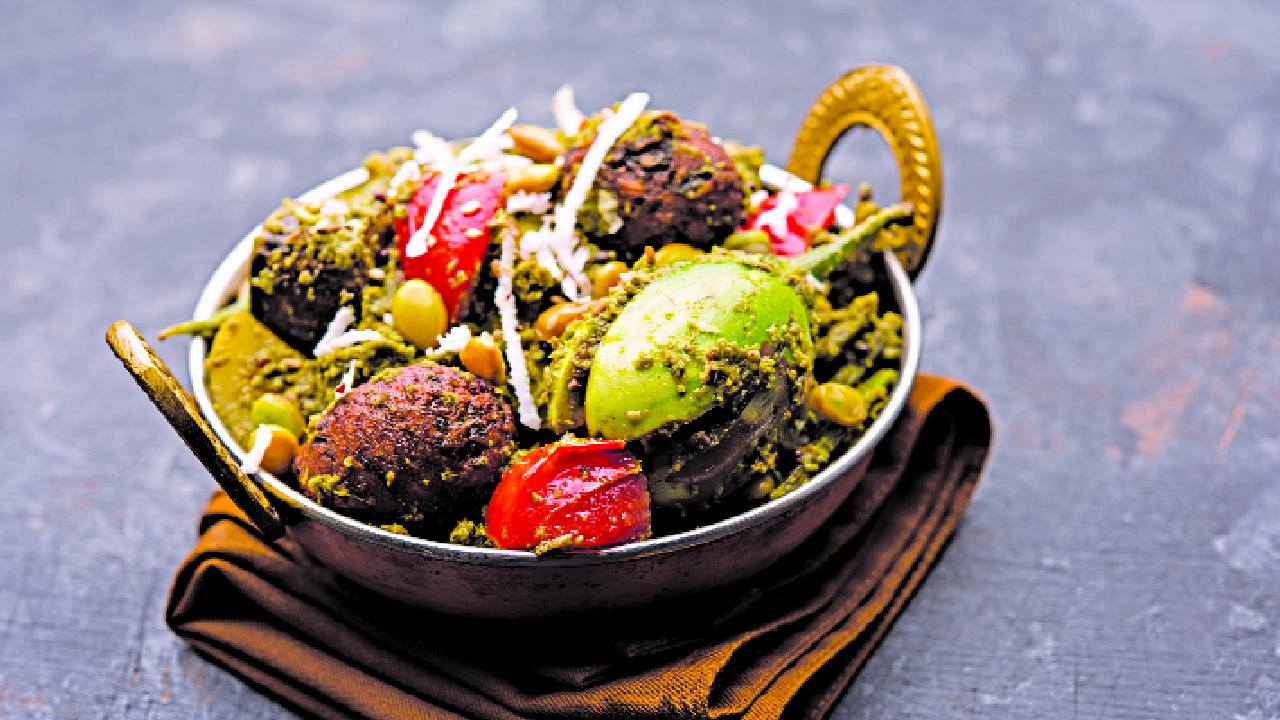
Moving westward, sesame once again dominates meals in multiple forms. In Gujarat, where the festival coincides with kite flying and outdoor gatherings, food is prepared to be both nourishing and convenient. Undhiyu, made traditionally in an earthen pot sealed and cooked upside down over a gentle fire, comprises fresh winter produce like surti papdi, purple yam, potatoes, sweet potatoes, raw banana, and fenugreek dumplings (muthiyas) and is bound by a fragrant paste of coconut, coriander, green chillies, and spices. It is eaten with puris or flatbreads during the day, often in shared meals on terraces during family gatherings. Sesame sweets, chikki, and roasted grains accompany these meals, sustaining energy for long hours. Gul Poli, though sweet, is eaten in small portions alongside other foods rather than as a central indulgence. In the Bundelkhand region in Central India, freshly harvested grains and millets are used to prepare bajra and jowar rotis that are accompanied by mildly spiced seasonal vegetables and followed up with Til Gud laddoos for desserts. These sustaining dishes reflect the region’s hardy landscape and agrarian patterns.
In eastern India, particularly in Bengal, Odisha, and Assam, the festival marks the harvest season closely to newly harvested rice. Rice flour becomes the foundation for an array of Pithas (rice cakes) and Pulli (stuffed dumplings). Kichuri, the rice and lentil preparation, anchors temple offerings and community meals, cooked slowly with turmeric, ginger, and seasonal vegetables until soft, then finished with ghee. It is often eaten seated on the floor after morning prayers, reinforcing the idea that nourishment follows devotion. Bhaja platters consisting of lightly fried seasonal vegetables such as pumpkin, brinjal, radish, and leafy greens bring warmth and textural contrast, and are typically served at the beginning of the meal to stimulate digestion. Savory pithas, made from rice batter with mildly seasoned fillings of lentils or vegetables, reveal that festival rice foods are not exclusively sweet and are often prepared in batches for sharing with neighbors. Til Bharta, where roasted sesame is ground with green chilies, mustard oil, and spices, serves as a warming condiment, eaten in small portions with rice to aid digestion. Sweet pithas such as Patishapta and Dudh Puli, filled with coconut and date palm jaggery, remain part of the cuisine, and are eaten in the evening in family gatherings rather than as central meal items. In Odisha, Makara Chaula, a mixture of raw new rice, milk, fruits, chenna (cottage cheese), and jaggery, is offered before consumption, symbolising the sharing of the season’s first produce with the divine before the household partakes. Across the region, the meals reflect modesty, gratitude, and the understanding that seasonal rice is both sustenance and sacred offering.
As we shift our focus to southern India, the day is widely celebrated through the preparation of Pongal, a dish that can be both savory and sweet. For Sakkarai Pongal (sweet Pongal) freshly harvested rice and moong dal are cooked together with jaggery syrup along with cardamom, ghee, and roasted cashews and raisins. The mixture is allowed to thicken, developing a glossy, comforting texture. For Ven Pongal (savory pongal), black pepper, cumin, ginger, and ghee are used, creating a preparation that warms the body while remaining easy to digest. Traditionally, pongal is cooked in open courtyards as the sun rises, and the first portion is offered to deities before the family is served. The act of watching the pot boil over is considered auspicious, symbolizing abundance, yet the dish itself remains grounded in simplicity and seasonal logic. There are regional specialities in Andhra Pradesh and Telangana in the form of Ariselu that is a popular deep fried sweet made with rice flour, jaggery and sesame seeds and Sakinalu, a savory deep-fried snack made from rice flour, sesame seeds and carom seeds. This makes for an ideal accompaniment to the rituals and traditions of the festival.
Across these varied regions, a common thread is evident. The foods of Makar Sankranti are shaped by the regional harvest, by the need for warmth, and by an ethic of moderation. They are often first offered, then shared, and only afterward eaten. They are portable when needed, durable in the cool spring air, and suited to collective preparation. Community kitchens in temples and villages prepare large quantities of khichdi, pongal, or rice and lentil dishes that are served to all without distinction. Leaf plates, simple seating, and quiet distribution reinforce dignity and equality. In this, the festival’s cuisine becomes an instrument of social cohesion, reminding communities that nourishment is a shared right and responsibility.
I believe that the continued observance of these culinary traditions holds invaluable lessons for the younger generations not only in understanding the philosophy behind Makar Sankranti but its ritual memory. At a time when diets are increasingly detached from tradition and history, Makar Sankranti preserves an older wisdom that food should correspond to climate, agricultural cycles, and bodily needs. It encourages simplicity in preparations, balance in nourishment, and attention to customs. It also reinforces that eating is not only personal but social, linking households through exchange and communities through shared meals. Such practices nurture not only health but mutual respect.
In an age marked by rapid transformations in lifestyles and beliefs, excess, and ecological stress, it is our collective responsibility to ensure that the principles embodied by Makar Sankranti offer a guide for modern society. The festival’s emphasis on alignment with natural cycles reminds us of the relevance and value of the wisdom left behind by our ancestors, to stay connected to the change of seasons and the discipline and maturity it demands. I believe that carrying these practices into the future is not merely an act of cultural preservation but a reaffirmation of wisdom that sees prosperity as inseparable from responsibility. In remembering to pause, give thanks, and live in harmony with nature and one another, Makar Sankranti continues to offer a timeless ethic for a world in urgent need of renewal.
(The writer is Secretary, Cuisine India Society); views are personal