Trump Tariffs Struck Down By US Supreme Court
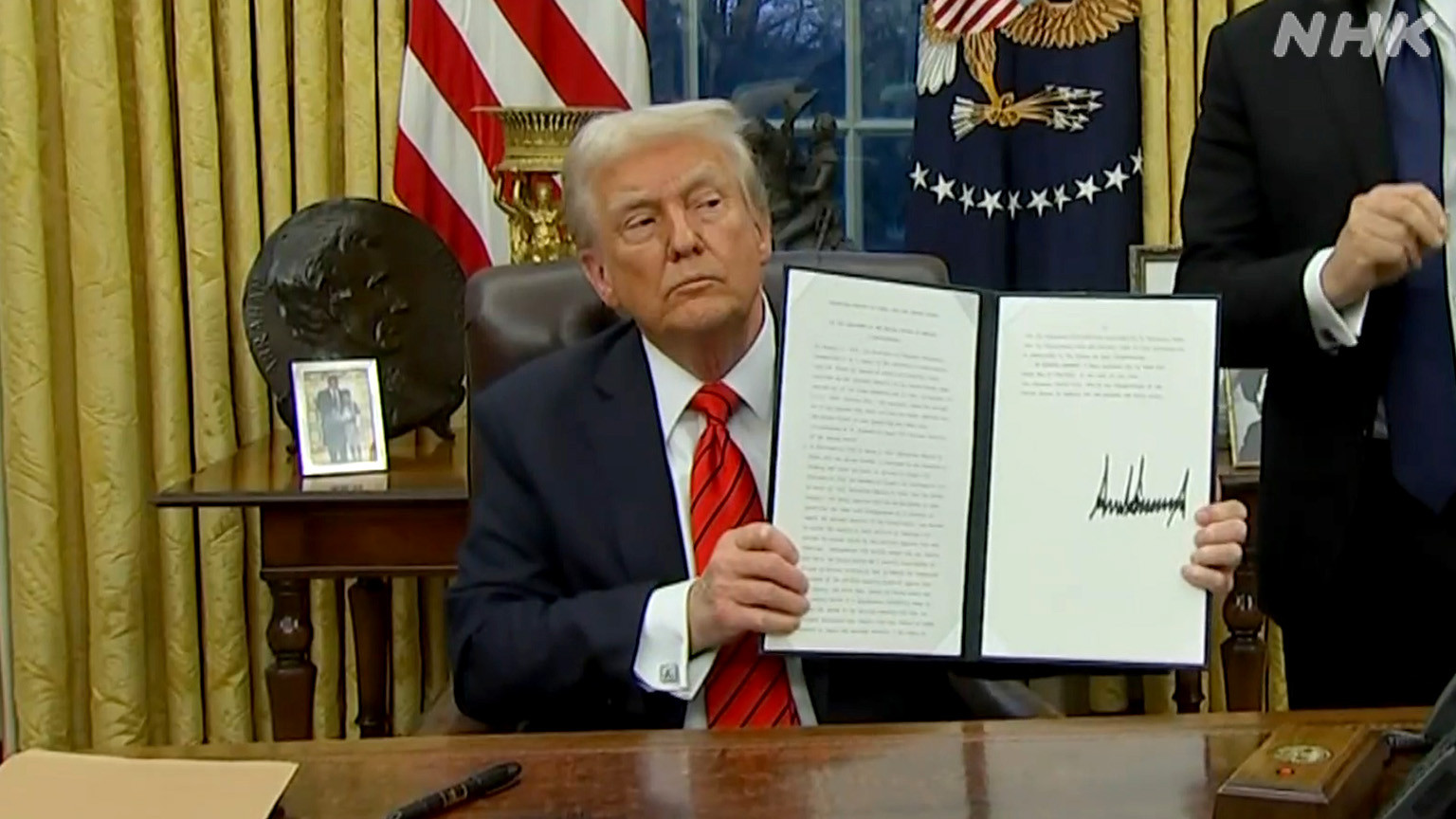
The Republican leader had described the tariffs as important for US economic security. He predicted that the country would be defenceless and ruined without them.
In a major setback to former US President Donald Trump, the Supreme Court of the United States on Friday struck down a series of sweeping tariffs imposed during his administration, ruling that he had exceeded the authority vested in the executive branch. The court held that the statutory provision relied upon by Trump was intended for use strictly in situations constituting genuine national emergencies and could not be stretched to justify broad, long-term trade measures.
The judgment reaffirmed a foundational constitutional principle: under the US Constitution, the power to levy taxes and impose tariffs rests squarely with Congress, not the president. While Congress may delegate limited authority to the executive in specific circumstances, the court concluded that the scope and scale of the tariffs introduced under Trump went beyond what the law permitted.
Throughout his presidency, Trump had made tariffs a central pillar of both his economic and foreign policy strategy. He argued that aggressive trade measures were necessary to correct trade imbalances, revive domestic manufacturing, and counter what he described as unfair practices by foreign competitors. The Republican leader repeatedly portrayed tariffs as vital instruments for safeguarding American industry and national strength.
Defending the measures, Trump maintained that without robust tariff protections, the United States would be economically vulnerable and strategically weakened. He warned that the country risked becoming “defenceless” and “ruined” if it failed to act decisively in the face of global competition.
The court’s ruling now sets clearer limits on presidential authority in trade matters, underscoring the constitutional separation of powers and reinforcing Congress’s primary role in shaping the nation’s tariff policy.