Bangladesh-India ties to rest on respect: Rahman
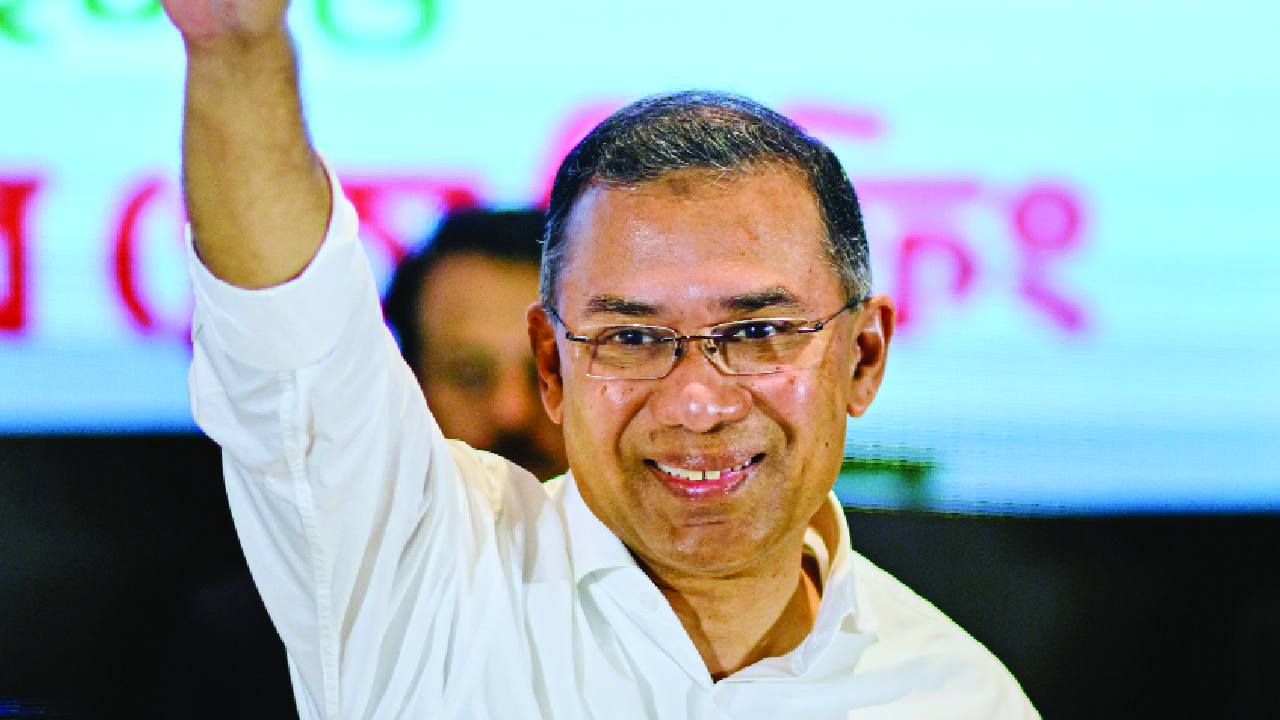
In his first interaction with the media following a sweeping electoral victory, Bangladesh Nationalist Party (BNP) chairperson and prime minister-in-waiting Tarique Rahman outlined his Government’s foreign policy direction to The Pioneer, emphasising a Bangladesh-first approach. He struck a measured yet firm tone on bilateral relations with New Delhi and the future of the International Crimes Tribunal (ICT) in Dhaka.
“We will keep the interest of Bangladesh first,” Rahman said on the future of Bangladesh-India relations. “Our relationship with our neighbors, especially India, will be based on mutual respect, fairness, and shared prosperity,” Rahman told The Pioneer.
On the issue of the possible extradition of former Prime Minister Sheikh Hasina, Rahman clarified that the matter would be handled strictly through legal procedures. “The law will follow its own course,” he stated.
He emphasised that any future agreements would be evaluated through the lens of Bangladesh’s sovereignty and long-term development goals. Political observers view his remarks as signaling continuity in engagement but with a stronger emphasis on recalibrating certain aspects of bilateral cooperation.
Addressing questions about the role of ICT in Dhaka, a BNP senior leader said the Government would review its structure and functioning to ensure transparency, fairness, and adherence to international standards. “We are committed to justice and accountability but it’s a matter of judiciary and let’s make separate it from Excutive, he stated. “
The ICT has played a significant role in prosecuting war crimes related to Bangladesh’s 1971 Liberation War, and its future direction under the incoming administration is expected to draw both domestic and international attention. ICT framed against many cases in the countrymen including Former PM Shiekh Hasina.
During an hour-long press conference, Tarique Rahman repeatedly emphasised the importance of the rule of law and maintaining law and order, making them the central themes of his address.