Beyond medals: Reclaiming sport as everyday culture
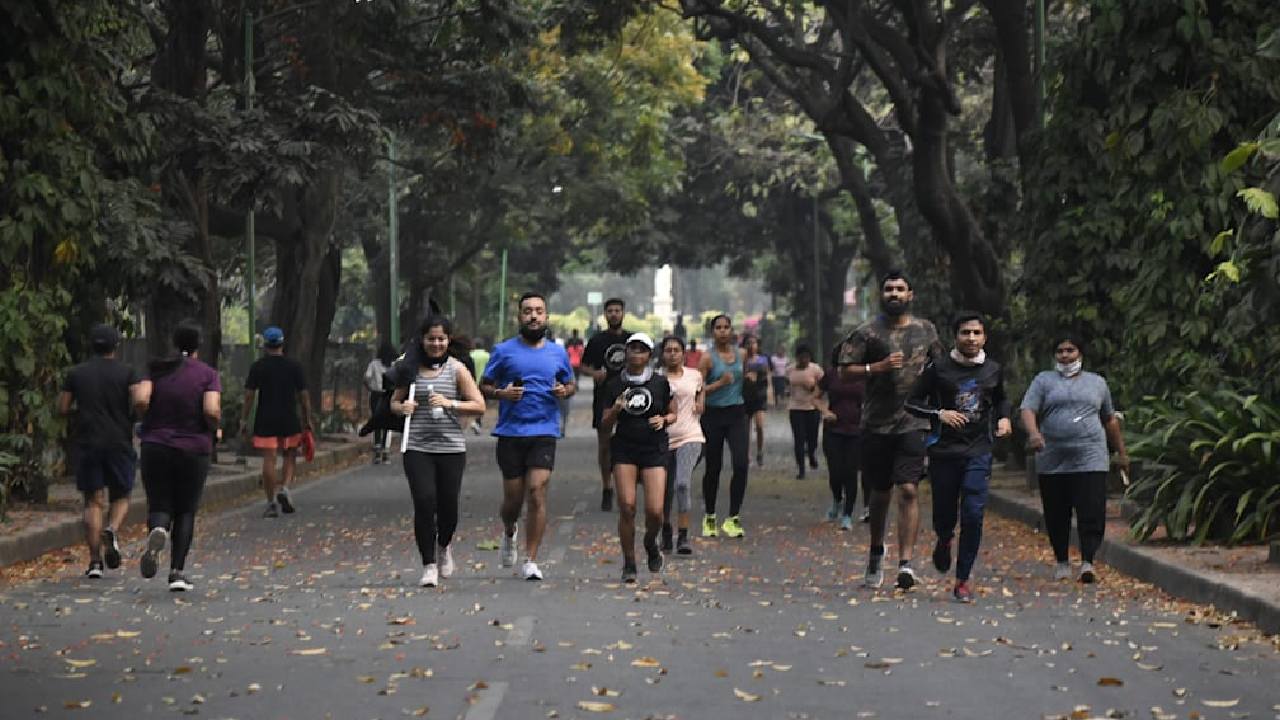
For much of the period after Independence, sport in India occupied a modest, almost ceremonial place in public life. It appeared in flashes — an Olympic podium finish, a historic cricket victory — only to fade once the celebrations ended. Physical activity was respected, even admired, but rarely woven into the rhythm of everyday living. That relationship is now changing, slowly but unmistakably. Sport is stepping out of stadiums and television studios and into lanes, parks and open grounds, reflecting a more personal shift in how young Indians are beginning to view health, ambition and their responsibility to themselves. Across cities and small towns, this change is visible in quiet, unremarkable ways. Early mornings now bring walkers and runners onto roads that once belonged solely to vehicles. In the evenings, children kick footballs on dusty patches of land, badminton nets appear in parks, and groups linger for a few shared laps before heading home. These scenes are not about medals or rankings. They are about relief-from stress, from sitting too long, from the constant pull of screens. In a country grappling with lifestyle diseases and mental fatigue, especially among its youth, everyday sport is being rediscovered as a form of care rather than competition. This renewed engagement has been gently supported by policy. Over the past decade, national initiatives have worked to make physical activity feel normal and accessible rather than elite or exclusive.
By encouraging grassroots participation, strengthening local sporting structures and linking sport with education, these efforts have helped shift the narrative. Campaigns that frame fitness as a shared civic value have resonated with young people navigating academic pressure, digital overload and shrinking urban spaces. The emphasis on simple movement-walking, cycling, yoga-has made the idea of being active less intimidating and more inclusive. States, too, are beginning to see sport as a social investment. In Punjab, renewed focus on playgrounds, village facilities and community tournaments has been tied to broader efforts to engage young people constructively. Public voices, including that of Raghav Chaddha, have spoken of sport as a way to channel energy into discipline, teamwork and a sense of direction.
The private sector has followed suit. Many large companies now recognise that physical well-being directly affects morale, productivity and mental health. Sports facilities and wellness programmes on corporate campuses are no longer luxuries; they are acknowledgements that sport belongs in adult life too. Education is also adjusting. The National Education Policy 2020 places physical education alongside academic learning, recognising its role in building resilience, focus and leadership. India’s recent sporting successes, backed by stronger institutions, have further shown young people that excellence can be nurtured through systems, not chance. Perhaps most quietly, sport continues to level differences. On neighbourhood grounds, class and background matter less than effort and fairness. As India looks ahead, making sport a daily habit rather than an occasional spectacle may prove essential-not just for fitness, but for a healthier, more humane society.
The writer is a spiritual teacher; views are personal