West Asia tensions rattle rupee and markets
The West Asian has started taking toll on the geo-economics. When the US attacked Iran, it was beginning of a war that had all the makings of a regional war. And it did become a regional war quickly as Iran retaliated and attacked the US bases across the Gulf. The widening scope of the war has bruised the business sentiments across the world markets.
Back home in India, as elsewhere, the oil prices are going up and rupee continues to depreciate. Equities and bonds are also under strain. Meanwhile, the Reserve Bank of India is making efforts to hold the currency from downslide.
The Reserve Bank of India (RBI) has intervened and sold dollars through state-run banks after the rupee came under pressure. The currency fell nearly 0.4 per cent to around 91.37 per dollar, after touching an intraday low of 91.4250.
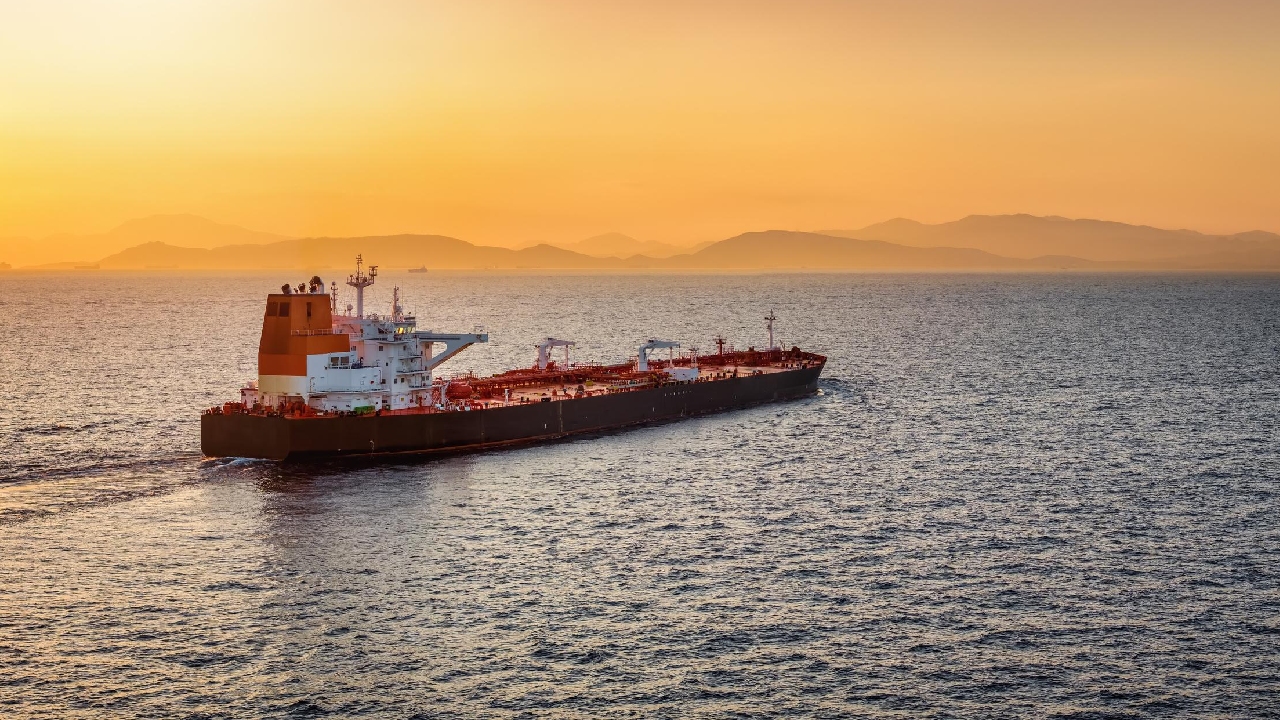
India is particularly vulnerable to any disruption in the Gulf as it imports more than 80 per cent of its crude oil requirements pushes up its current account deficit. A sharply depreciating rupee would compound the problem by making oil imports even costlier in domestic currency terms.
But India’s problems are not confined to oil import bill alone. Its financial markets are also showing negative sentiment which can hurt India’s growth story. India’s benchmark equity indices - the BSE Sensex and the Nifty 50 - declined more than one per cent. Meanwhile, the yield on the 10-year benchmark government bond rose by over 3 basis points to around 6.70 per cent. Rising yields suggest investor concern over inflationary risks and the possibility of higher borrowing costs ahead.
If the West Asian crisis is not resolved soon, the macroeconomic implications of sustained oil price increases would be catastrophic. Oil prices feed inflation — raising transportation costs, manufacturing expenses, and food prices. Besides, there is a fiscal dimension as well. Higher fuel prices can force the government into difficult trade-offs. Passing the full burden on to consumers risks fuelling inflation and dampening consumption. Absorbing part of the shock through excise duty reductions, on the other hand, strains public finances at a time when infrastructure spending and welfare commitments already demand substantial resources.
Indeed, this can be managed in a short run as India is not without buffers. Foreign exchange reserves remain sizable, providing the RBI with elbow room. The country has diversified its crude sourcing in recent years.
Robust services exports and steady remittance inflows continue to support the balance of payments. But as long as India remains heavily dependent on imported fossil fuels, geopolitical shocks in energy-producing regions will continue to ripple through its economy. For now, the RBI’s steady and calibrated intervention may save the day. But if tensions escalate further, balancing currency stability, inflation control, fiscal prudence, and growth in an increasingly volatile global environment would be a challenge.