Tokyo’s strategic transformation
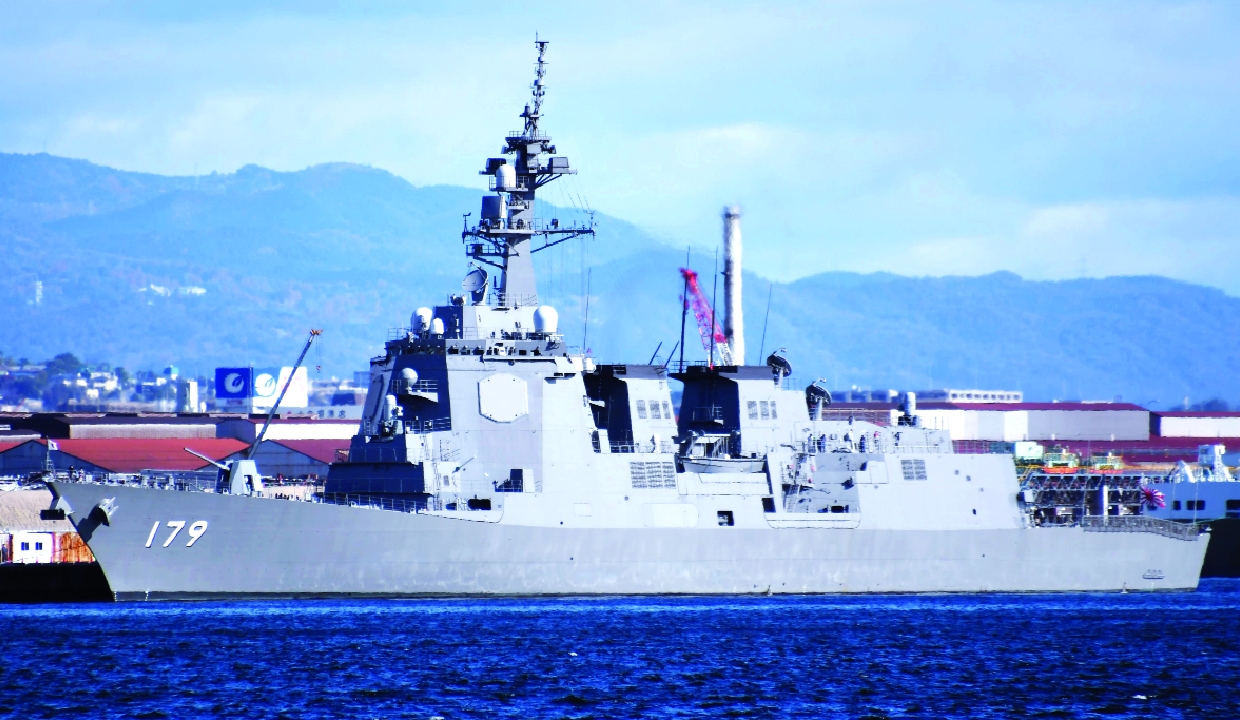
Japan is steadily moving away from post-war pacifism, strengthening its military and intelligence capabilities under Sanae Takaichi amid growing concerns over China, Taiwan, and regional security
The term “Tokko” (short for Tokubetsu Koto Keisatsu) was used for the secret police of Imperial Japan from 1911 to 1945. Often compared to the infamous Nazi Gestapo or the Soviet NKVD, it was associated with Japanese militarism, surveillance, and authoritarianism. However, it was dissolved after Japan’s defeat in 1945 during Allied occupation reforms. These reforms (Article 9) included the renunciation of war and the discontinuation of traditional Japanese armed forces. Basically, Japan was denied the possession of war-fighting capabilities, infrastructure, or any form of offensive policies or plans.
Since the Cold War, and especially after the 1990s, Japan has reinterpreted Article 9 more flexibly. This led to a more lenient interpretation allowing “collective self-defence”, implying that Japan could aid allies under attack in certain situations. Various factors, such as the expanding Chinese footprint, a belligerent North Korea, and even the global terror industry, forced a rethink. Many nationalist Japanese leaders insisted that strict pacifist interpretations were outdated and self-defeating in the evolving strategic environment. The Japanese Self-Defence Forces (JSDF) became increasingly militarised, better trained, and started conducting international exercises and missions.
The Shinzo Abe era transformed that outlook even more aggressively as Chinese ambitions, claims, and maritime activity became increasingly threatening. From ideating the QUAD (Quadrilateral cooperation with China-wary powers such as the USA, India, and Australia) to acquiring long-range strike missiles and converting naval platforms into aircraft carriers, the Japanese consciously started moving away from their original pacifism.
Today, the Prime Minister of Japan, Sanae Takaichi, is widely considered a political protégé and ideological successor of the hardline nationalist Shinzo Abe. China has been concerned by her hawkish rhetoric on security issues, and her recent passage of a bill to strengthen Japanese militarisation through the creation of a “National Intelligence Council” (with a parallel “National Intelligence Bureau” to create a centralised and vertically integrated intelligence system) has unsettled the Chinese leadership considerably.
Chinese concerns were captured by its unofficial mouthpiece, Global Times, which noted: “Even more dangerously, the bill explicitly incorporates ‘foreign intelligence activities’ into its mandate, shifting Japan’s intelligence functions from a domestic security focus to the collection of overseas military and security intelligence - and even permitting espionage and infiltration operations abroad.”
The creation of what is being hailed as “Japan’s CIA” is the most significant overhaul of Japan’s intelligence structure in more than seventy years. The Americans appear willing to overlook the 1945 conditions they themselves imposed as victors of the Second World War in order to strengthen modern Japan through stronger intelligence integration, faster information-sharing capabilities, and more effective counter-intelligence structures.
The reality of operational difficulties and limitations arising from unilateral military operations overseas, such as those seen in the ensuing US-Iran conflict, has led to serious concerns in Japan about the ability of the US military to intervene successfully should China attack Taiwan. Japan feels increasingly vulnerable to the Chinese threat and realises that it must take greater responsibility for its own security. In Sanae Takaichi, many Japanese see the political intent and determination necessary to change course decisively.
Prime Minister Sanae Takaichi openly framed the bill in existential terms for Japan’s future, insisting that “foreign influence operations, including the spread of disinformation, constitute a threat that can shake national security”. This argument helped create a situation in which public support stood at 39.1 per cent, while 41.9 per cent remained neutral or undecided, and only 19 per cent opposed the measure.
Clearly, politics, geopolitical shifts, and the perceived wounds of history have evolved, and many Japanese no longer feel burdened by the constitutional constraints imposed in the aftermath of the Second World War.
In the first meeting of the “Expert Meeting on Considering Security from the Perspective of Comprehensive National Strength”, Sanae Takaichi further raised the stakes by discussing higher defence spending and stronger military capabilities. Japan already operates F-35 stealth fighters, Tomahawk missiles, Patriot and Aegis missile-defence systems, Apache attack helicopters, and other advanced platforms. More importantly, it is developing its own hypersonic weapons, long-range missiles, electromagnetic railguns, and a co-developed sixth-generation fighter programme (GCAP).
All this, combined with strong political support, is giving nightmares to Chinese Communist Party strategists, who increasingly realise that Japan has decisively moved beyond its post-war strategic restraint.
Reports emerging from the Ukrainian and Iranian theatres are reinforcing Japanese concerns that military alliances can become strained and unreliable, that industrial capacity and ammunition stockpiles matter enormously, and that nations require substantial indigenous defence capabilities. The ability to hold out longer or deter aggression if American intervention is delayed or uncertain has fuelled right-wing militarist thinking within sections of Japanese politics.
Essentially, Japan believes it needs far greater self-reliant deterrence because the international system has become less reliable.
As Japan’s south-western islands are geographically close to Taiwan, China is continuously factoring possible Japanese capabilities and responses into its Taiwan-related strategic calculations. With the acquisition of long-range strike capabilities and growing constitutional confidence, Beijing is increasingly viewing Japan as the central pillar of the US-led Indo-Pacific alliance system aimed at constraining China’s rise.
Sanae Takaichi is adding fuel to the fire with statements such as: “Deterrence only works when the other side knows you have the capability and the will to respond.”
Sanae Takaichi is adding fuel to the fire with statements such as: “Deterrence only works when the other side knows you have the capability and the will to respond”
The writer is a former Lieutenant Governor of the Andaman and Nicobar Islands and Puducherry, and a military veteran; Views presented are personal.