Why the BJP must reconnect with Gen X
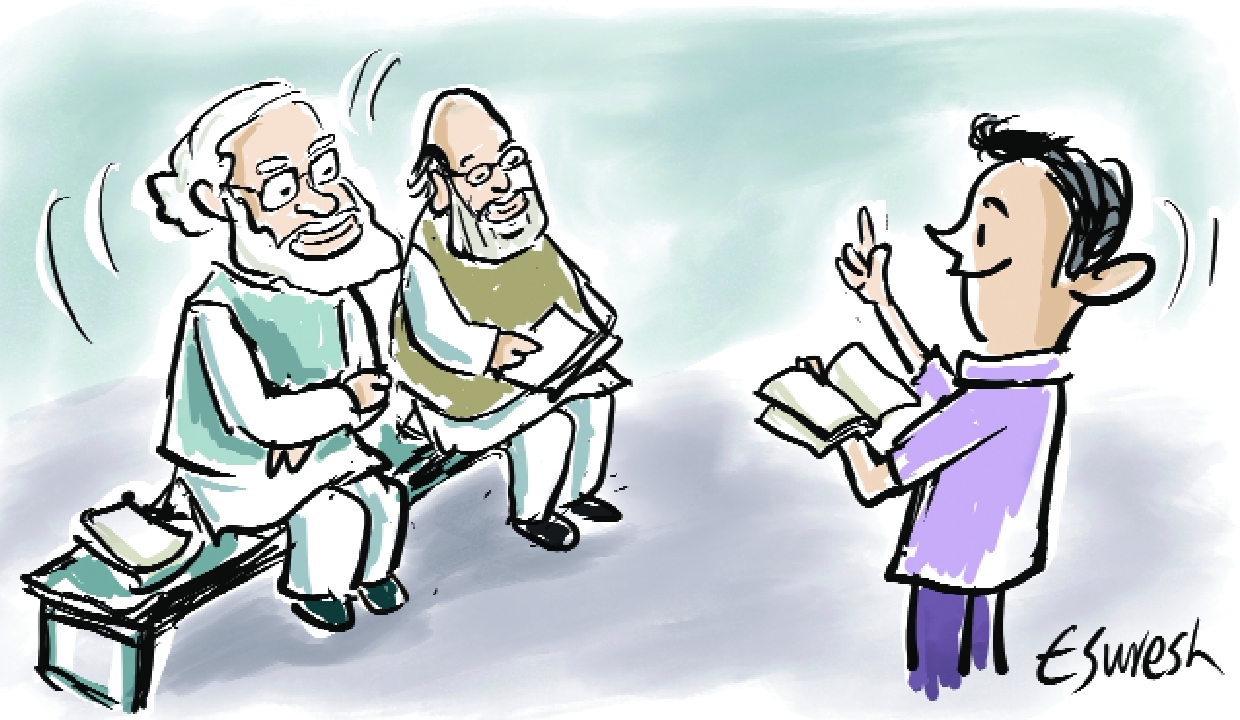
Every successful political party eventually confronts the challenge of a changing electorate. For the BJP, that challenge comes from Generation X — a demographic shaped by economic reforms, political upheavals and decades of institutional change
The political scene in India is changing quickly, and the Bharatiya Janata Party (BJP) is facing a key moment in its history. It needs to think about how to engage Generation X. The ruling Modi government struggled with Generation X, which launched an unexpected agitation that took the government by surprise. This group has evolved through economic and political events. The new Anti-Leak Bill aims to improve transparency in government dealings.
Generation X is described as the “forgotten generation” or the “middle child” between the larger Baby Boomer and Millennial cohorts. A distinct sense of independence, pragmatism and scepticism towards established institutions characterises this demographic. Generation X has experienced significant national and global events, including economic recessions, the emergence of the internet and critical political transformations. Many individuals within this cohort encountered challenges in the job market during the 1990s and were affected by the implications of liberalisation policies, which presented both opportunities and uncertainties.
This generation values authenticity and practicality, focusing on real benefits rather than empty promises. For Generation X, this means they will carefully examine how the Anti-Leak Bill affects real life. To win their support, it is important to clearly explain what the Bill aims to do and how it protects people.
Last week, Parliament passed the Anti-Leak Bill to stop information leaks that could threaten national security and public safety. This Bill has received mixed reviews. It raises important questions about how to balance national security with individual freedoms. Critics believe that, while protecting sensitive information is important, the Bill could be misused. They worry it might undermine freedoms such as free speech and limit the space for different viewpoints. It is also worth noting that the Anti-Leak Bill was created to prevent information leaks in examinations.
These concerns are very important to Generation X, who value accountability and transparency in government. Many Gen Xers see this legislation as a repeat of past government actions, where laws meant for security were used to silence dissent. They are understandably cautious and sceptical.
To win back Generation X, the BJP needs a clear strategy. This strategy should do more than promote policies or highlight guaranteed outcomes. Several additional approaches could help achieve this goal.
First, genuine engagement with Generation X through town halls and social media can make them feel respected and included in decision-making processes, strengthening their connection with the party.
Secondly, face-to-face engagement fosters a sense of community and validation for voters. At the same time, digital platforms can facilitate wider outreach, especially appealing to the more tech-savvy members of Generation X.
Thirdly, prioritising transparency by clearly explaining the Anti-Leak Bill’s objectives and safeguards can help Generation X feel reassured and trust the BJP’s commitment to their interests.
Fourthly, sharing information in simple formats such as infographics and public bulletins can attract a generation that wants quick and clear answers. In addition, involving experts in discussions can strengthen the party’s credibility and show that it is inclusive and responsive.
Fifthly, the BJP should actively promote and highlight its successes in areas that resonate with Generation X’s values. Economic stability, job creation, skill development initiatives and success in digital governance are all subjects that can positively influence this group.
Sixthly, emphasising meaningful development projects and policies that have directly impacted the lives of Gen Xers can help reinforce the party’s commitment to their well-being. Reassuring Generation X about the importance of individual rights is paramount. The BJP should explain how the Anti-Leak Bill supports democratic values. They need to show the safeguards in place, mention that there will be independent oversight, and highlight that there are ways for people to express their concerns. This can help bridge the trust gap with this sceptical demographic.
Seventhly, by engaging civil society and involving diverse voices in discussions about governance and policy, the BJP can showcase its investment in a democratic framework that values collective and individual rights.
The BJP can use digital platforms for outreach, policy discussions and educational campaigns. By analysing data and using social media insights, the party can focus its messages on the issues that matter most to Generation X. This approach will help ensure that communication connects with them on a personal level. While the Anti-Leak Bill presents challenges for the BJP in regaining generational trust, it is also an opportunity for the party to evolve its approach and demonstrate its commitment to accountability and openness. Winning back Generation X will demand sustained effort, fostering an environment where the party can position itself as a progressive party that values the voices of all demographics, including Generation X. Winning back Generation X after the Anti-Leak Bill, the party can regain trust and support from this group. The BJP should engage with them, be transparent, respect their rights and use technology effectively. Gen X plays an important role in Indian politics, so the BJP must pay attention to improving its image with them. By using clear strategies and building real connections, the BJP can strengthen its relationship with Gen X.
The BJP can use digital platforms for outreach, policy discussions and educational campaigns. By analysing data and using social media insights, the party can focus its messages on the issues that matter most to Generation X
The writer is a popular columnist; Views presented are personal.