Nepal elections: A Litmus test for old parties
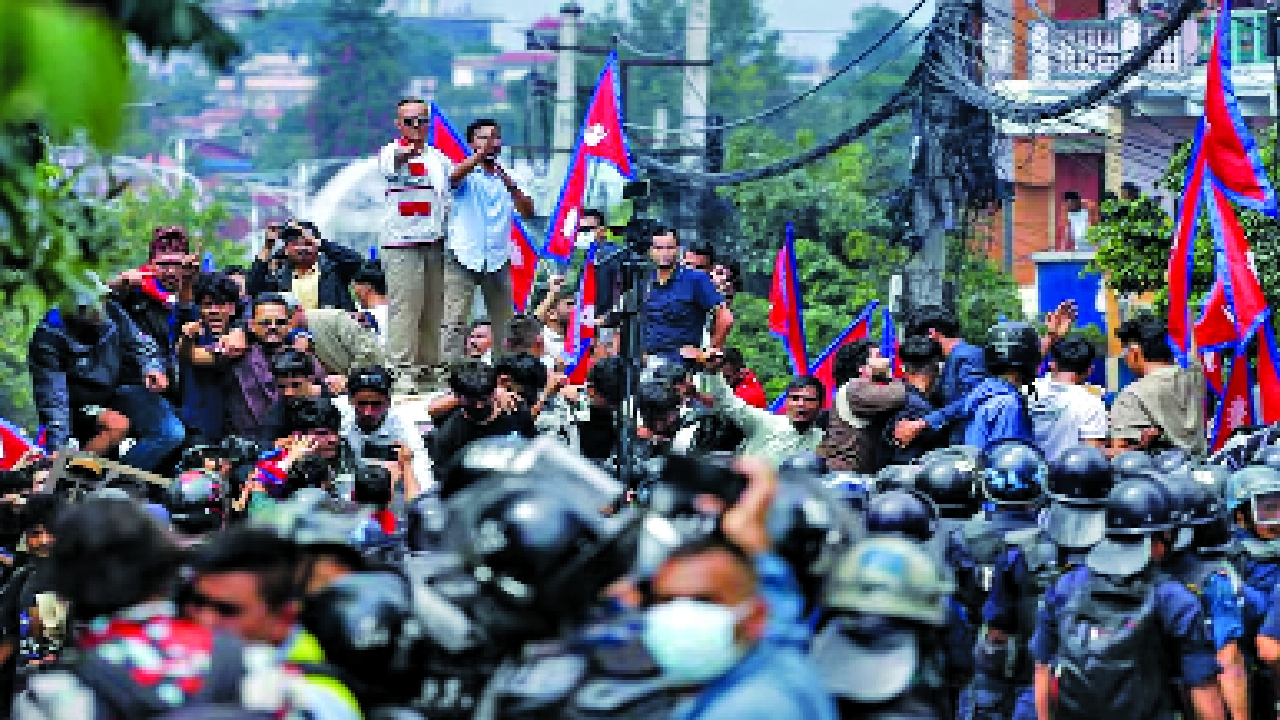
Very few in Nepal initially believed an election on 5 March after the Gen Z protests was feasible: that it would even happen, given the chaotic and traumatic two-day protests last year which culminated in 77 protestors becoming martyrs and arson and mayhem leading to jailbreak, loss of weapons by police and damage to public property estimated at around USD5bn. A country with a GDP of USD 45bn, FE reserves of USD 10 bn and one third of its population of 30mn abroad, could ill afford such enormous loss. Until just two weeks before elections, doubters said Parliament will be restored; election postponed; GenZ revolt will repeat even as PM Sushila Karki cautioned against not factoring GenZ concerns during the elections. On 7 January I had said on this page that elections would be held on 5 March. The Nepal Army has been Karki’s biggest supporter and pillar of confidence. This may be the first time Army will be in close proximity of voter booths. Security of ballot boxes has become a big concern.
The Proportional Representation system which does not allow a single party majority was introduced in 2015 constitution and parliamentary seats were enhanced from 205 to 275 with 165 First Past the Post (FPTP) and 110 through Proportional Representation (PR). A voter has to cast two votes: one for the chosen candidate and the other for his favoured party. This time, 120 parties are contesting of which 22 are new with 68 parties contesting FPTP seats. 3400 candidates of which 1000 are below 40 years of age are running for 275-member Parliament. 800,000 are new voters. The three traditional parties are five times PM SB Deuba-led Nepali Congress, four times PM KP Oli’s CPN UML and four times PM Prachanda-led CPN (Maoists). GenZ Andolan ousted the UML and NC coalition with the people’s wrath targeting Oli and Deuba, both their parties being badly tarnished. Most parties have praised GenZ revolution endorsing their reform agenda except Oli who was forced to quit and taken into Army’s safe custody. “No to Oli” graffiti is still visible in most places across Nepal. To remove the image of discredited leaders, NC’s youthful Gagan Thapa executed a bloodless coup replacing Deuba as party president and becoming the party’s PM face. This has created an internal rift in NC between the old guard and the young Turks. UML’s Ishwor Pokhrel tried to dislodge Oli but failed.
Last month, Rashtriya Swatantra Party (Bell symbol) secured a reprieve with its jailed leader Ravi Lamichhane released on bail and permitted to contest elections. A former Home Minister in the last Parliament he had several cases of misconduct including fraud. A shot in the arm came for RSP from the popular Kathmandu mayor, Balen Shah joining the party as its PM candidate. The popularity of leaders in Nepal is measured by the word ‘craze’ with the Balen wave and craze storming most parts of Nepal. Among the new parties is Ujjiyalo Nepal, led by former technocrat Kulman Ghising credited with ending Nepal’s perennial power outages. The Rashtriya Prajatantra Party which backs restoration of monarchy and Hindu Rashtra has “too many chiefs, few Indians”. There is a fresh surge for returning former King Gyanendra to Narayanhiti Palace. Terai parties have split Madhesi vote once bagged by the Sadbhavana Party. In 2008 elections, the slogan ‘ek Madhes ek Pradesh’ never fructified and even the diminished Madhes province is dominated by hill-region political parties.
In the last 2022 elections NC emerged single largest party with 89 seats, UML 78 seats, Maoist 32 seats, RSP 21 and RPP 14 seats. An estimate of the 5 March vote shows a fractured verdict with RSP emerging as single largest with 100 to 110, NC 55 to 60, UML 50 to 55, NCP (the rechristened Maoists) 10 to 15, RPP 15-20. It is not clear how and when will GenZ reform agenda get incorporated in the 10-point agreement with Karki as it involves constitutional amendments. In Bangladesh the Feb 12 elections were accompanied by a simultaneous referendum on constitutional reform contained in the July National Charter. But when the winning BNP MPs took oath, they did not swear allegiance to the July National Charter. In Nepal, despite Karki’s constant reminders to political parties about the GenZ “concerns” little is known how they will be accommodated. Most political parties except UML have generally backed their proposals.
2 March was the last day for campaigning - and Holi. Our village, an NC stronghold near Pokhara, was visited by NC and RSP candidates contesting the parliamentary seat. Bells began ringing when RSP’s Uttam Paudyel greeted us. That’s the mood here. Punish old parties and canvas for change. While NC election posters bear pictures of Gagan Thapa and BP Koirala, RSP is championing for Ravi Laimchhane and Balen Shah. NC’s election slogan is: “Congress Badlao; Desh Badlao” and “abki baar sau paar”. RSP’s message is simple: “abki bar Balen Sarkar”. The fervour for change is palpable. RSP campaign teams are young and spirited for a party that made its debut in 2022. It has spread hope for a corruption-free Nepal though its detractors are saying that Lamichhane is the fountain of fraud.
No violent incidents have occurred though clashes have taken place for other reasons. Like the 2008 elections that followed the decade-long Maoist civil war where the results were a complete surprise, conferring a landslide victory for the Maoists when traditional parties were expected frontrunners. Similarly, the outcome of GenZ revolution could result in a shock and awe outcome for traditional parties. GenZ was so vastly disparate it could not form a party. In Bangladesh the protesting students won just eight to nine seats. In Nepal people want to punish the UML-NC coalition government led by Oli. That is precisely what the reading of the mood is.
The 5 March election is a litmus test for traditional parties and their record of corruption and misgovernance. ‘Parivartan’ is the buzzword here. RSP’s Balen Shah, a Madhesi, is likely to become the first PM of Nepal from Madhes.
The writer, a retired Major General, served as Commander, IPKF (South), Sri Lanka, and was a founder member of the Defence Planning Staff, now the Integrated Defence Staff; views are personal