Women’s Wellness is Central to Viksit Bharat
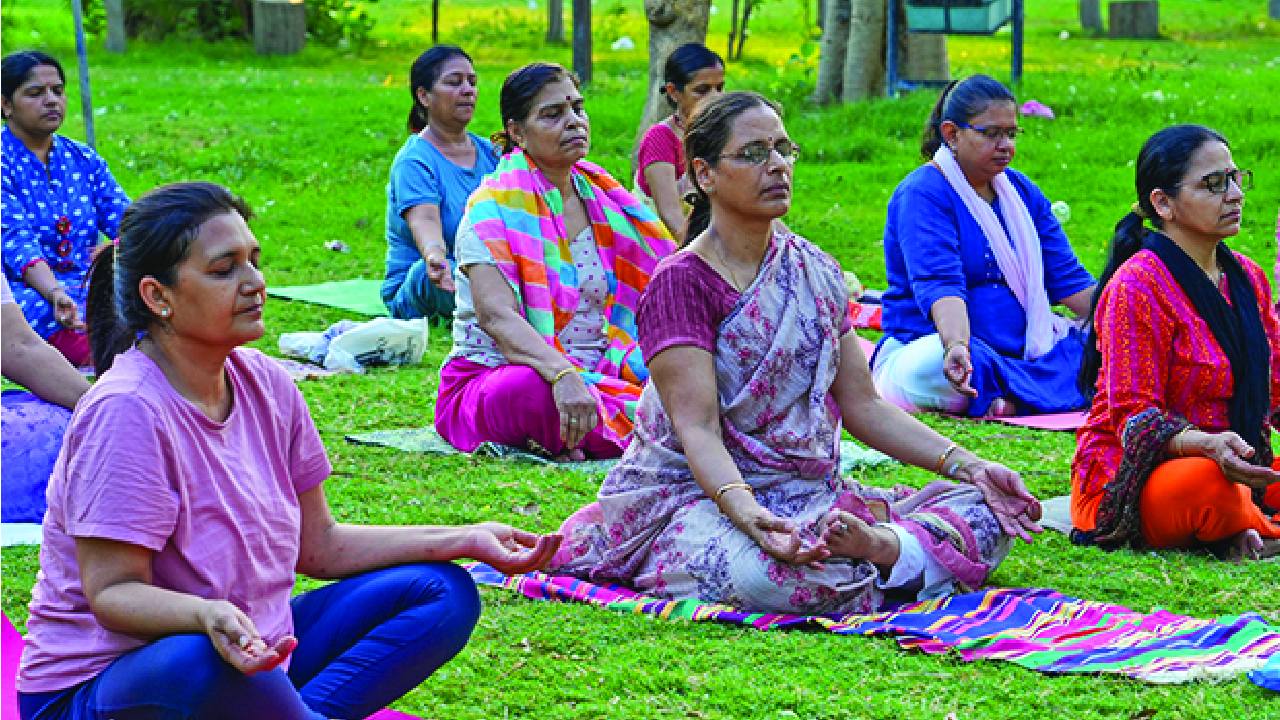
India often speaks of resilience as a national strength. Yet resilience is not an abstract ideal; it is built, quietly and daily, by women who hold families, workplaces, and communities together. A 2025 WHO regional review indicates that less than one-third of Indian women who suffer from moderate to severe psychological distress have ever received any formal mental health treatment. Consequently, when women’s support systems fail to provide adequate help in the early stages of their crises, they will typically remain silent until their issues result in a crisis that cannot be avoided.
Today, as India aspires to sustained economic growth and social stability, the mental well-being of women must be recognised as a public health. Too often, women’s experiences of anxiety, depression, and burnout are framed as individual fragility or poor coping. This narrative is deeply flawed. Psychological distress among women in India does not arise in isolation; it is produced at scale by structural realities that remain largely invisible in public health planning. An individualised view of distress transfers responsibility away from the system and onto the individual woman, leads to delayed care, further adds to the stigma of psychological distress, and continues the cycle of harm.
Caregiving, layered with multiple roles and invisible emotional labour shaped by gender norms, continues to be, one of the most important but least recognised factors impacting the mental health of women. According to a 2025 World Health Organisation Policy Brief, women worldwide still perform more than 75 per cent of the world’s unpaid domestic labour, and this scenario is being repeated in India. This burden is intensified by economic dependence, informal employment, and limited social security.
Beyond caregiving, women’s mental health is shaped by gender-based violence, workplace inequity, economic insecurity, and the emotional impact of life stages such as menstruation, pregnancy, postpartum transitions, and menopause.
A 2026 analysis from the National Institute of Mental Health and Neurosciences (NIMHANS) noted a sustained rise in anxiety and depressive disorders among women aged 18-45, particularly in urban informal workers and rural caregivers. Alarmingly, the report also highlighted that women tend to seek professional help significantly later than men, often only after symptoms escalate into functional impairment or physical illness. Late diagnosis not only worsens outcomes but also increases long-term healthcare costs and loss of productivity.
Despite growing awareness, access to adequate mental health services remains deeply uneven. Mental illness in India and globally can be very costly, fragmented, and difficult to obtain due to accessibility. Many women, especially those who live in rural or low-income areas, face obstacles in seeking assistance, such as the stigma surrounding mental illness, travelling long distances to receive assistance, and not being able to find a service provider in their location.
I believe that public health approaches offer India an opportunity to shift from reactive crisis management to preventive, community-anchored care. Even the National data coordinated by the National Institute of Mental Health and Neuro Sciences (NIMHANS) underscores why this shift is urgent. Nearly 13.7% of India’s adult population experiences a mental disorder in their lifetime, and close to 15% require active intervention at any given point.
Yet the most alarming figure is the treatment gap: over 80% of individuals living with mental illness do not receive timely or adequate care. For women, the disparity is even sharper. Prevalence estimates suggest that women report mental health disorders at nearly twice the rate of men, reflecting layered social, economic, and caregiving pressures.
These numbers reflect the needs of the societal wellness index and call for policy intervention to enable early identification and care models across public and private health systems. When early identification, counselling, and referral pathways are integrated at the frontline level, support becomes scalable. Bridging the treatment gap will not be achieved through tertiary expansion alone; it requires decentralised, culturally responsive, and prevention-focused models that bring care closer to where women live and work.
Recognising their emotional safety, workplace pressures, reproductive transitions, digital realities, and healthy ageing as interconnected aspects of their lives. Strengthening community care, routine screenings, and gender-responsive services ensures support across life stages.
Women’s mental health is foundational infrastructure as India advances toward Viksit Bharat 2047. Empowering women’s mental wellness must be embedded within nation-building priorities to ensure inclusive, sustainable progress as she strengthens India.
The writer is Founder and Chairperson of the Aditya Birla Education Trust; views are personal