A generational shift in Nepal’s democracy
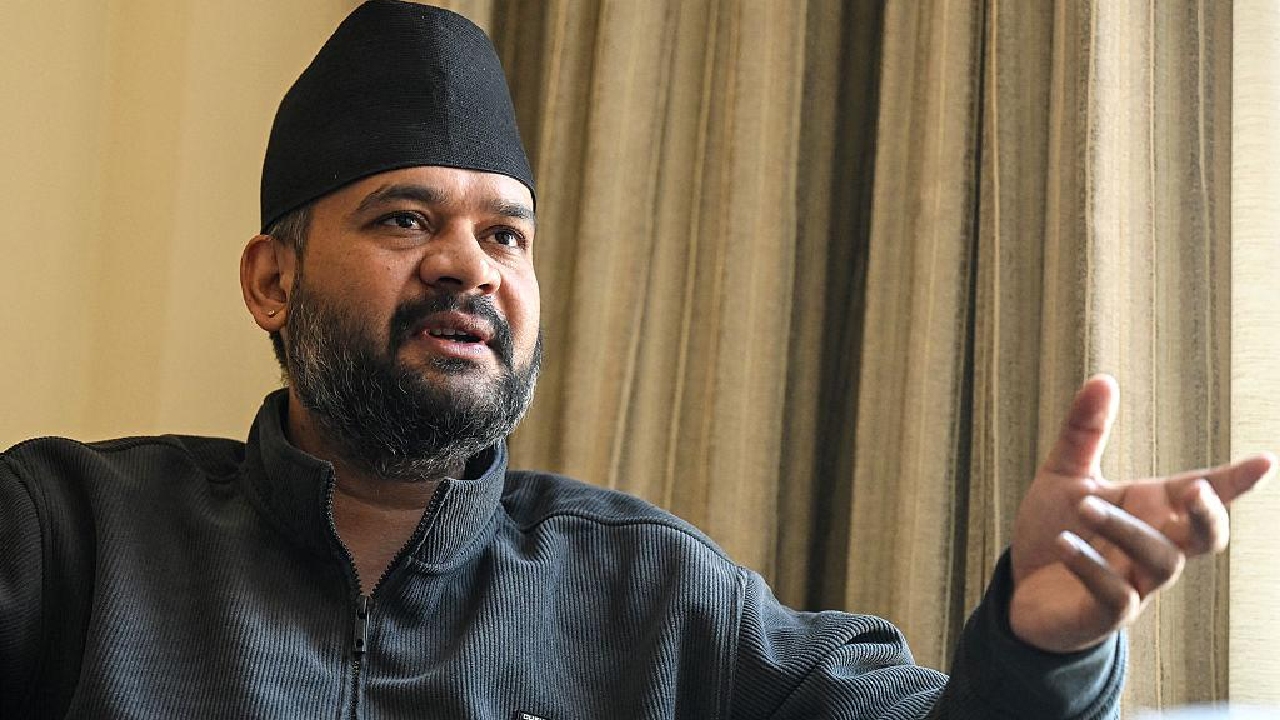
It was a landmark election in Nepal, not one which just changes the regime but one that decimates the old order and heralds a new era. Though it is premature to assume that a death blow has been handed to the traditional political parties and that KP Sharma Oli has given way to the new generation, it is certain that Nepal has given a chance to its new generation. Unlike Bangladesh, where Gen Z could not consolidate its position despite its huge appeal during the uprising, Nepal’s youth or Gen Z has moved with caution. Nepal has indeed given wholehearted support to Balendra Shah and the Rastriya Swatantra Party (RSP). His decisive victory over former Prime Minister KP Sharma Oli in his own parliamentary constituency is a strong signal - the old guard must go and give way to the new generation to decide the destiny of the nation. The rise of Shah, a rapper and a civil engineer who first gained national prominence after winning the Kathmandu mayoral election in 2022, built his reputation as an outsider willing to challenge the status quo. His decision to align with the Rastriya Swatantra Party, led by Rabi Lamichhane, helped convert personal popularity into a broader political movement focused on governance reform, anti-corruption measures, and administrative transparency. Shah carries on his shoulders the hope of millions of young voters whose expectations he must fulfil. He must provide political stability, economic turnaround, and steer the nation clear of outside pressure while balancing India and China without caving in to their pressure. The old leaders played a vital role in ushering in democracy in the country - overseeing the end of the monarchy and the drafting of a new constitution — but went wayward and increasingly faced criticism for governance failures, corruption allegations, and political instability. One early test for Shah would be the handling of the Gauri Bahadur Karki Commission report, which investigated the use of force against protesters. Whether the new government pursues accountability while maintaining political stability will be closely watched.
One of the biggest challenges before Shah will be to address and remove the longstanding irritants in Nepal’s relationship with its neighbour, India. For India, the developments in Nepal are significant. New Delhi will have to tread a cautious path, not getting overzealous and aspirational in weaning Nepal away from Chinese influence. The emergence of a new generation of leaders means that India must now recalibrate its diplomatic engagement. One plus point for India is that, unlike Bangladesh, the election campaign in Nepal was notably free of anti-India rhetoric, though New Delhi is still seen as a big brother by many. Another noteworthy signal was Shah’s decision not to emphasise the China-backed industrial park linked to the Belt and Road Initiative in his election manifesto.
Given the project’s proximity to India’s sensitive Siliguri Corridor, this omission may indicate a cautious balancing of geopolitical sensitivities. For India and Nepal, if managed wisely, this transition could usher in a more pragmatic and forward-looking phase in bilateral relations.