When ‘likes’ replace real happiness
According to the World Health Organisation, around 280-330 million people worldwide live with depression, affecting roughly 4-5 per cent of the global population, and it remains one of the leading causes of disability globally.
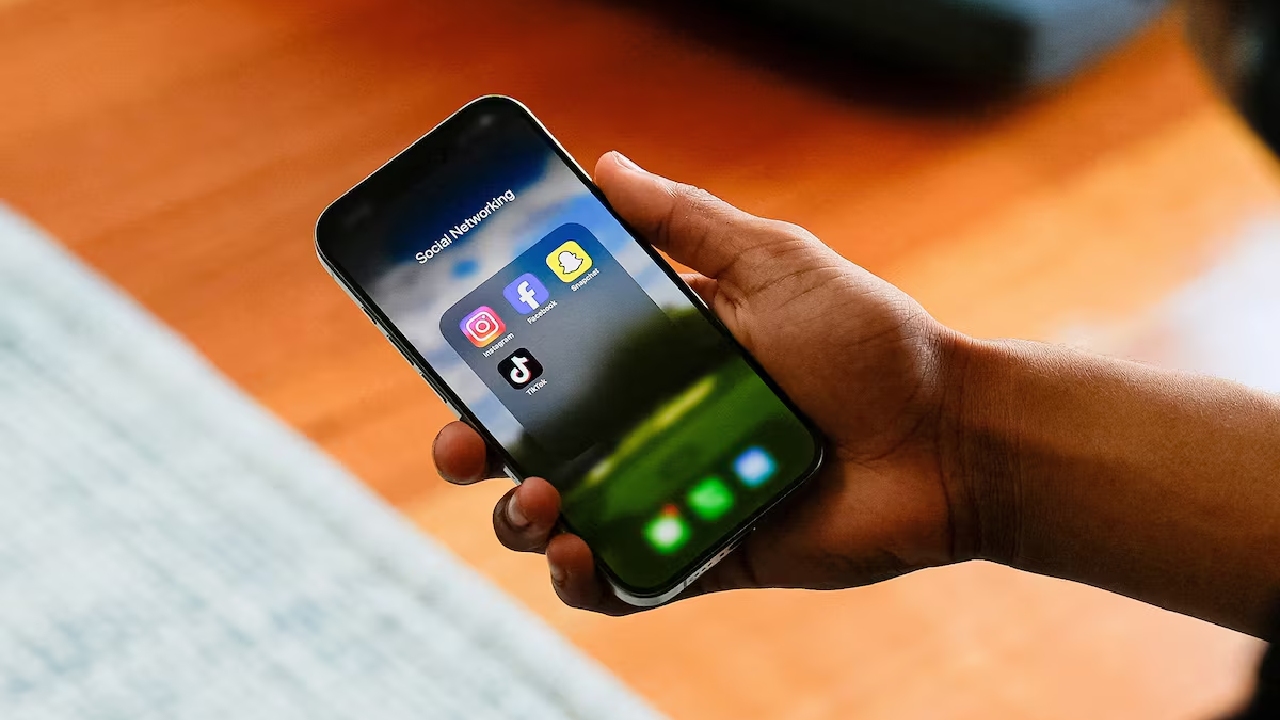
As per the American Psychiatric Association (APA), major depressive disorder (MDD) is a condition characterised by episodes of pervasive low mood accompanied by low self-esteem and a loss of interest or pleasure in normally enjoyable activities. Nowadays most people use social media platforms such as Twitter and Facebook to share their thoughts and opinions with their contacts. As such, social media provides a means of capturing behavioural attributes that are relevant to an individual’s thinking, mood, communication, activities and socialisation. The emotions and language used in social media postings may indicate feelings of worthlessness, guilt, helplessness and self-hatred that characterise major depression. This happens with many of us who regularly use social media on a daily basis. Few people would deny that they have experienced feelings of envy when they see the fun their friends appear to be having online. This might especially be the case if you are sitting at home feeling bored while others seem to be partying or enjoying a comfortable holiday in the sun. For most of us, it may appear obvious and natural to feel like that. However, the question arises: could these feelings be the beginning of something more serious, such as depression? Does it make sense that social media use might actually contribute to depressive feelings?
A recent study sponsored by the National Institute of Mental Health (NIMH), USA, identified a strong and significant association between social media use and depression. The study found that levels of depression among youth increased with the total amount of time they spent using social media and the number of visits they made to social media sites each week. There are likely to be many complex reasons why social media use might be associated with depression. For instance, people who are already feeling depressed may rely more on social media rather than face-to-face interactions, meaning that increased social media use could be a symptom rather than a cause of depression. We also know that ‘likes’ have become a kind of currency on social media. People with low self-esteem may seek validation through likes and comments as a way of boosting their confidence, turning social media into a form of popularity contest. According to psychiatrists, social networking relationships can sometimes have positive emotional effects. Several studies indicate that social media can benefit people who struggle with social anxiety or depression by helping them stay connected with others. However, it is important to understand our own reasons for using these platforms and to adjust our expectations accordingly. If we often feel left out, inadequate or jealous after viewing others’ posts, it may indicate that online interactions are not fulfilling our emotional needs. Maintaining a balanced perspective and realistic expectations about social media can help prevent feelings of jealousy, inadequacy and unhealthy comparisons. It is also important to assess the quality of our real-life relationships and the time we spend with people who truly matter, as genuine human connections cannot be replaced by virtual interactions. The Bhagavad Gita reminds us that a person can be his own best friend or his own worst enemy. To become our own best friend, we must spend time understanding ourselves and observing our thoughts. Positive thinking and letting go of negativity help guide the mind in the right direction, but it requires regular effort and practice.
The writer is a spiritual teacher and a popular columnist; views are personal