Connected to screens, disconnected at Home
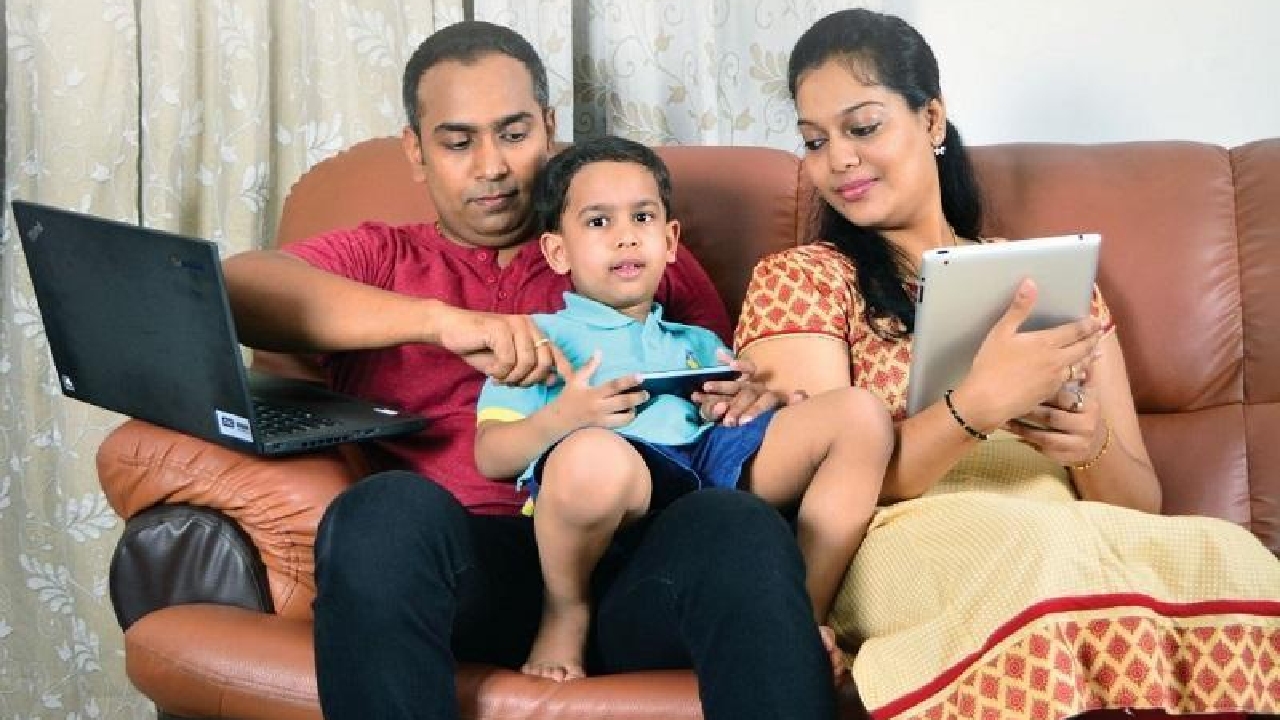
In the silence of the modern home, family time has slowly been replaced by screen time. Families return to the same room, but not always to each other. Instead of conversation, the space is filled with the blue light of scrolling parents and gaming children. A parent checks emails or social media while a child watches videos or plays games on a tablet. Physically, they are together, yet emotionally they may be miles apart.
The technological age has transformed nearly every aspect of modern life, including family relationships. Technology has undoubtedly made communication faster, information more accessible and learning more dynamic. At the same time, it has quietly entered the heart of the home, introducing subtle challenges to the bond between parents and children. The real question today is not whether technology is good or bad, but how it shapes the quality of relationships within families.
Traditionally, parent-child relationships were built through shared experiences-family meals, storytelling, evening walks or simple conversations about the day. These moments helped children feel heard, valued and emotionally secure. Today, many children are growing up in a world where digital interaction often replaces real-world human connection. A child may spend hours communicating with friends online but hesitate to open up to parents sitting just a few feet away.
One of the most important differences in the digital age is the gap between being available and being present. Parents today can easily track, text and call their children through various applications, ensuring their safety. Yet connection requires something deeper-undivided attention, empathy and genuine listening. Children do not simply need supervision; they need emotional connection. Even a few minutes of distraction-free conversation can mean more to a child than hours spent together while both remain absorbed in separate screens.
Another challenge is the widening generational gap in technology use. Children today are digital natives who navigate online platforms with remarkable ease, while many parents struggle to keep pace with rapid technological change. This gap can create misunderstandings. Parents worry about online safety, while children may feel their digital world is misunderstood. Instead of treating technology as a barrier, families can transform it into a bridge. Showing interest in a child’s digital interests-whether games, videos or online communities-can create opportunities for communication and trust.
At the same time, healthy boundaries remain essential. Simple practices such as device-free dinners, technology-free time before bedtime and shared family activities without screens can restore balance. Equally important is the example parents set themselves. Children imitate behaviour more than advice. When parents put their phones aside and focus on family interaction, they send a powerful message about priorities. The strength of parent-child relationships has never depended on the era in which families live. The core needs of children remain unchanged: love, attention, understanding and guidance. In a world filled with constant digital distractions, the most meaningful gift a parent can offer a child is genuine presence. In the end, the true measure of parenting is not how connected we are to our devices, but how deeply we remain connected to our children.
The writer is an educator; views are personal