The OSM disaster: How students were let down
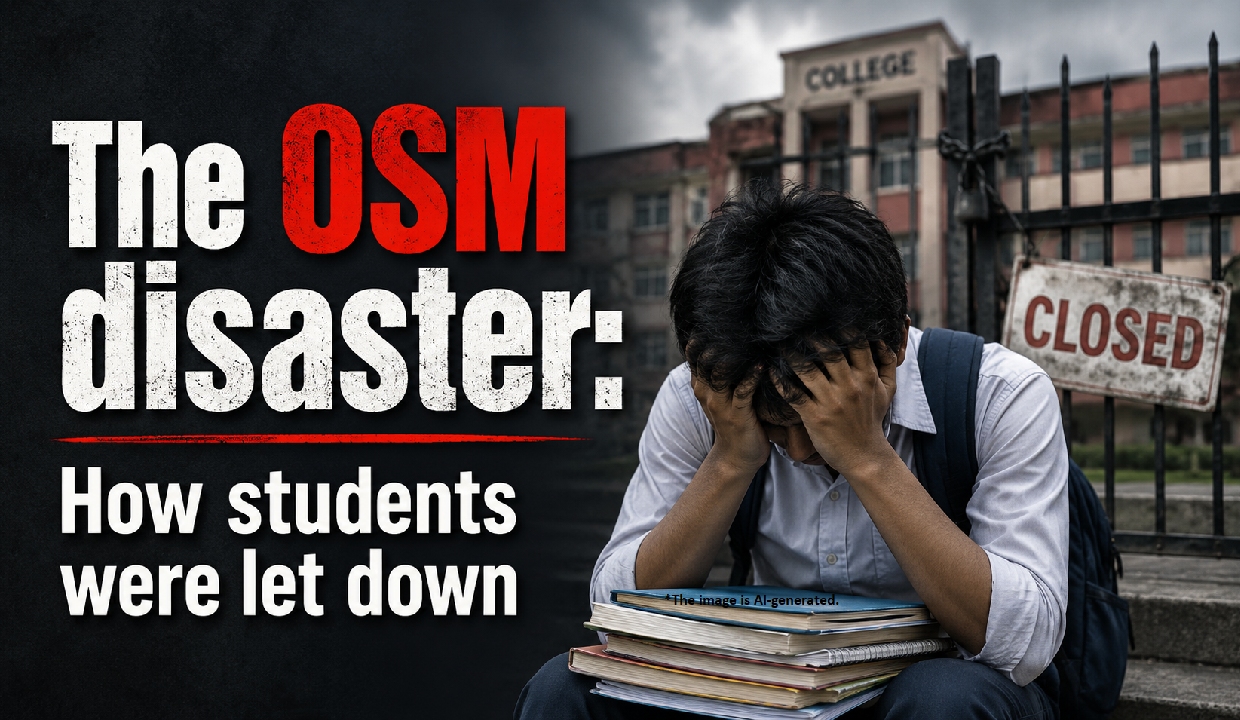
CBSE’s fascination with OSM, without adequate preparedness, has left millions of students in tears
India’s education establishment has a peculiar relationship with reform: it announces it loudly, implements it hastily, and then retreats into silence when things go wrong. The CBSE OSM controversy of 2026 is only the latest — and perhaps the most damaging — example of this pattern.
When CBSE introduced On-Screen Marking for Class 12 board examinations this year, it presented it as a leap into transparency and modernity. Answer scripts would be scanned, uploaded to a secure portal, and evaluated digitally by teachers from their own schools — no more physical transport, no totalling errors, no delays. The pitch was impeccable. The execution was not. What unfolded after results were declared on May 13 was, by any measure, a crisis. Students reported shockingly low marks that bore no resemblance to their preparation or performance. Many answer sheets had been scanned with blurred or illegible images, making fair evaluation almost impossible. The re-evaluation portal malfunctioned under load. Teachers, already struggling with a system they had barely trained on — in some cases for just one week — reported screen fatigue, repeated corrections, and mounting anxiety during the high-stakes evaluation period.
The rot, it turns out, ran deeper. The OSM contract was reportedly awarded to Hyderabad-based Coempt Edu Teck — the lowest bidder — over more established players. A 19-year-old cybersecurity researcher then publicly disclosed multiple critical vulnerabilities in the OSM portal, including the potential for unauthorised access to examiner accounts and modification of marks. He had reported these to CERT-In in February; most remained unpatched by May. Meanwhile, teachers in Delhi were issued show-cause notices when Class 12 results slumped at the national level — effectively penalising educators for failures that were structural.
To compound matters, CBSE had simultaneously abolished post-result verification of marks for Class 12 — the very safety net that would have allowed aggrieved students a formal recourse. The way out demands more than an apology. First, CBSE must immediately restore the right to post-result verification and process all pending re-evaluation requests free of cost, given that the fiasco was institutional rather than student-driven. Second, an independent technical audit of the entire OSM process — from scanning hubs to examiner interfaces to data security — must be commissioned and made public. Third, accountability must reach the decision-makers who overrode teacher warnings, not just the vendor. And fourth, any further expansion of OSM must follow genuine piloting, rigorous teacher training, and independent security certification. The implications for children are not abstract. Class 12 scores determine college admissions, scholarship eligibility, and in many Indian families, the entire arc of a young person’s life. A wrongly awarded mark — whether too low due to a blurred scan or tampered by a security breach — is not a statistical error. It is a stolen opportunity. CBSE owes its 1.8 million Class 12 students not just answers, but justice.