Oil on the boil, global economy on the edge
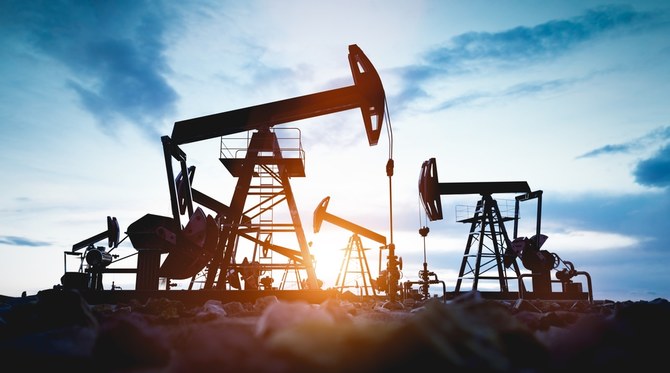
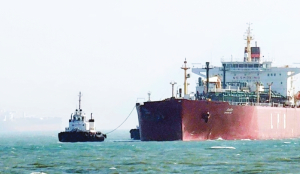
Global oil prices have surged to their highest levels since 2022 as escalating hostilities in the Middle East raise fears of a major disruption to energy supplies moving through the vital Strait of Hormuz. The strategic waterway, through which nearly a fifth of the world’s oil shipments pass, has become the focal point of growing international concern as the conflict between Israel, the United States and Iran intensifies.
In response to mounting threats to commercial shipping, France has deployed nearly a dozen naval vessels to escort tankers and cargo ships navigating the narrow strait. The move reflects broader international anxiety that the widening conflict could choke a critical artery of global energy trade, sending shockwaves through already volatile markets.
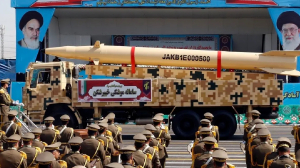
Iran has meanwhile launched a series of missile and drone strikes across the region. Explosions and air raid alerts have been reported in Israel as well as in several Gulf countries. In a dramatic development, NATO defence systems intercepted a missile over Turkey, highlighting the expanding geographic scope of the conflict and the risk of further escalation.
Israel has stepped up its military campaign, conducting fresh airstrikes in central Iran while also intensifying operations in Lebanon against sites linked to Hezbollah. The strikes have triggered large-scale displacement, with hundreds of thousands of civilians fleeing affected areas amid fears of broader regional warfare.
Adding to the controversy surrounding the conflict, a new video analysis circulating online suggests that a U.S.-made Tomahawk cruise missile may have caused the devastating explosion at an elementary school in southern Iran. The blast reportedly killed 165 people, many of them children, though independent verification remains limited.
The human toll of the war continues to rise sharply. Iranian officials say at least 1,230 people have been killed so far, while nearly 400 deaths have been reported in Lebanon and at least 11 in Israel, underscoring the widening humanitarian cost of a conflict that shows no sign of easing.