Indian airlines begin partial resumption of Middle East flights amid ongoing conflict
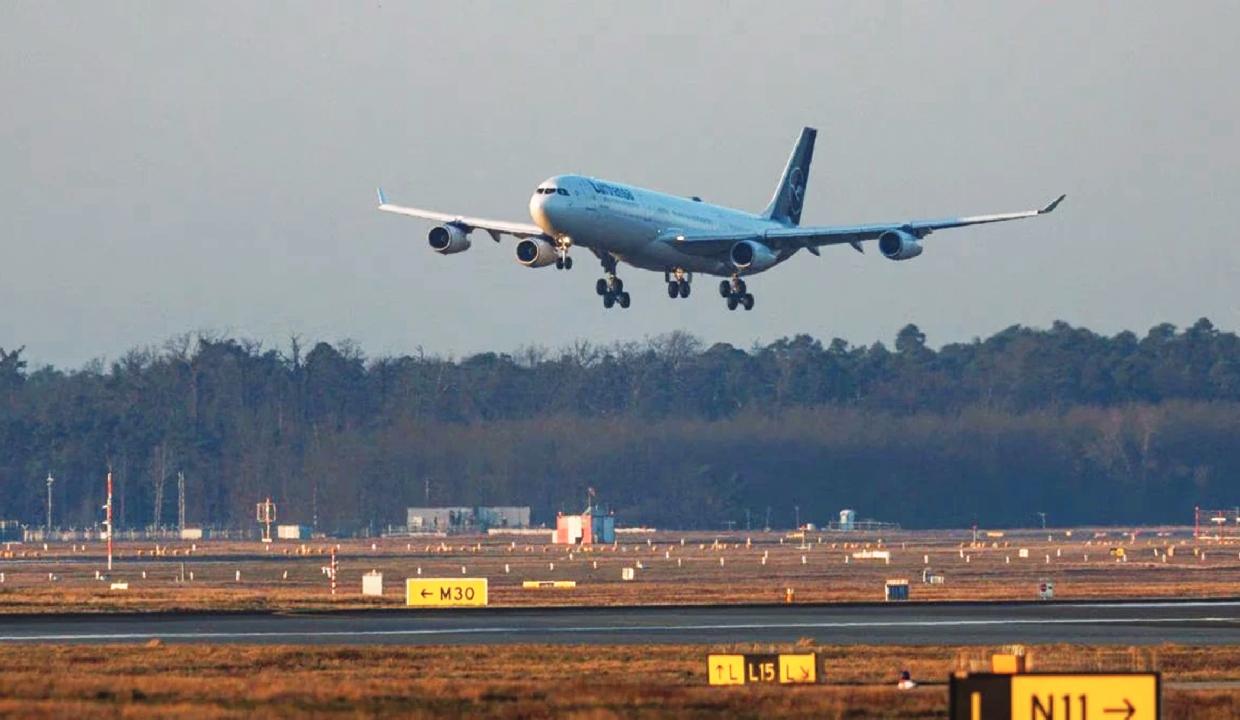
Domestic carriers such as IndiGo, Air India and SpiceJet have initiated a phased restoration of flight operations to and from the Middle East, even as widespread disruptions persist due to airspace restrictions linked to the ongoing US-Israel conflict involving Iran.
The resumption remains limited, with airlines operating select routes while closely monitoring the evolving security situation.
Thousands of flights continue to be cancelled across the region, reflecting the scale of disruption to global aviation networks.
IndiGo announced that it would operate 17 departures, covering 34 flight sectors, to eight destinations in the Middle East on Friday. The airline said it is working in coordination with relevant authorities to progressively reinstate more services while ensuring passenger safety.
Similarly, Air India and its subsidiary Air India Express confirmed the resumption of flights to key destinations such as Jeddah and Muscat after authorities reopened the airspace over Saudi Arabia and Oman.
SpiceJet, meanwhile, has scheduled special evacuation-oriented flights from the United Arab Emirates to India on March 6 and 7, with additional services planned for March 8.
These flights are aimed at assisting passengers affected by cancellations and travel uncertainty across the region.
Airlines have urged passengers to remain cautious and follow official communication channels.
IndiGo specifically advised travellers to wait for direct notifications regarding their flight status before heading to airports, given the fluid situation. Air India also announced ad-hoc repatriation flights from major regional hubs, including Dubai, Ras Al Khaimah and Fujairah on March 6, subject to regulatory clearances.
However, the airline clarified that scheduled services to several other West Asian destinations will remain suspended until March 10.
To ease passenger inconvenience, Air India has offered flexibility in ticket changes.
Travellers holding tickets issued until March 4 for journeys between February 28 and March 8 can reschedule their travel within one month without incurring additional charges or fare differences.
The aviation sector continues to face significant operational challenges.
Traffic at Dubai International Airport showed signs of recovery on Thursday, nearly doubling from the previous day, though it still stood at only about a quarter of normal levels.
Industry data underscores the magnitude of disruption: more than 44,000 flights were scheduled across the Middle East between February 28 and March 5, but over 25,000 have been cancelled so far due to the crisis.
India’s aviation regulator, the Directorate General of Civil Aviation, said it is actively coordinating with airlines and other stakeholders.
A dedicated Passenger Assistance Control Room has been set up to support stranded travellers and address grievances.
Authorities also emphasised that airfares are being closely monitored to prevent any unreasonable surge during the crisis period, as efforts continue to stabilise operations in one of the world’s most critical aviation corridors.