US-sanctioned tanker diverts Iranian oil from India to China
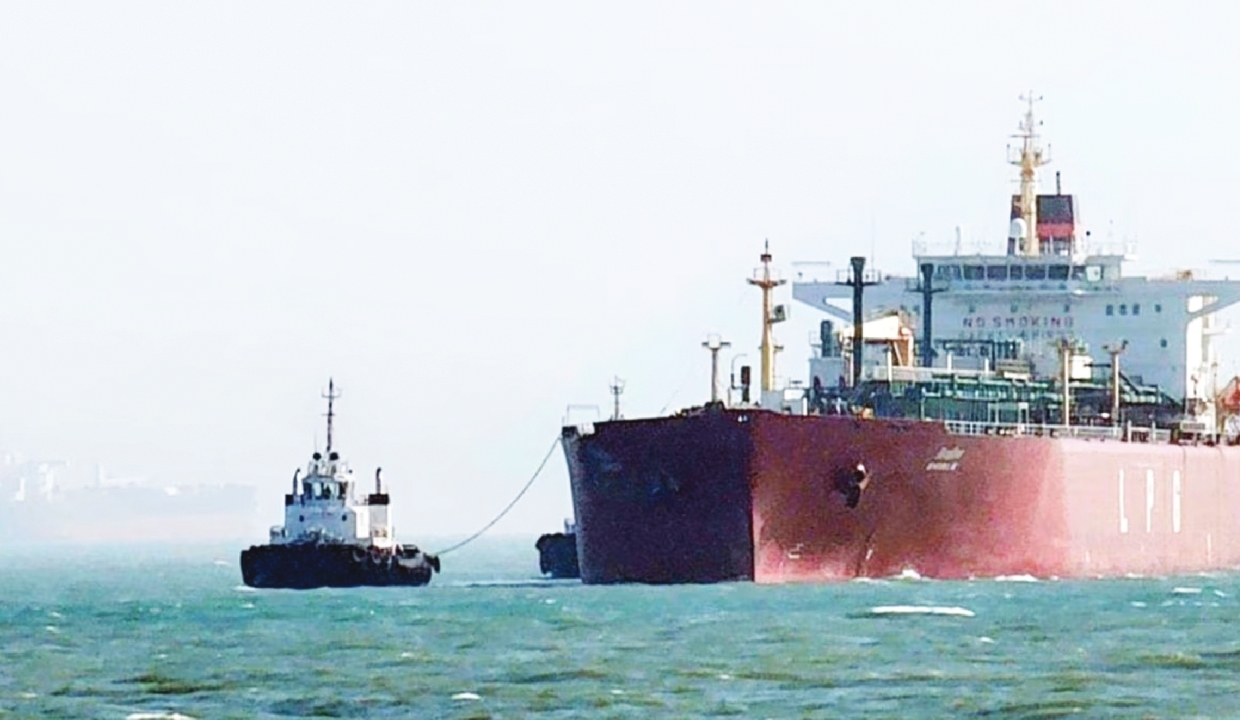
A US-sanctioned Aframax tanker carrying Iranian crude oil has rerouted mid-voyage from a planned destination in India to China, according to ship-tracking data, preventing what would have been India’s first such import in nearly seven years.
The vessel in question is the Ping Shun (built in 2002, Eswatini-flagged, sanctioned by the US Treasury’s Office of Foreign Assets Control in 2025). It is on time charter to Iran’s State-owned National Iranian Oil Company (NIOC) and was carrying approximately 600,000 barrels (6 lakh barrels) of Iranian crude, loaded earlier in March from Iran’s Kharg Island.
Earlier this week, the tanker began signalling Vadinar in Gujarat, India, home to Nayara Energy’s refinery, as its destination. This raised expectations of the first Indian purchase of Iranian crude since imports largely halted in 2019 due to US sanctions pressure.
Near the Indian coast, the ship took a sharp turn south and is now signalling Dongying in China’s Shandong province as its destination.
Data from tracking firms Kpler and Vortexa confirm the change. The final destination could still shift, but it has reverted to Iran’s dominant export pattern. China has taken over 90 percent of Iran’s crude exports in recent years.
Analysts, including Sumit Ritolia of Kpler, attribute the reroute primarily to payment-related issues. Iran has reportedly tightened terms, shifting away from 30-60-day credit windows toward upfront or near-term settlement, which complicated the deal for Indian buyers amid ongoing US sanctions risks. A temporary US sanctions waiver (issued March 21, 2026, allowing transactions for already-loaded cargoes until April 19) did not resolve counterparty or financial channel concerns.
India stopped most Iranian oil imports in 2019 after the US re-imposed sanctions following its withdrawal from the JCPOA nuclear deal. The country had previously been a significant buyer (Iran was once India’s third-largest supplier). China, by contrast, has continued importing discounted Iranian crude through various workarounds, often via private terminals like those in Dongying.
The incident highlights persistent challenges in resuming India-Iran oil trade, including sanctions enforcement, payment mechanisms (often non-SWIFT), and geopolitical tensions in the Middle East. The cargo’s diversion brings it back into China’s established shadow fleet and import channels.