Special session aims to pass women’s quota ahead of polls
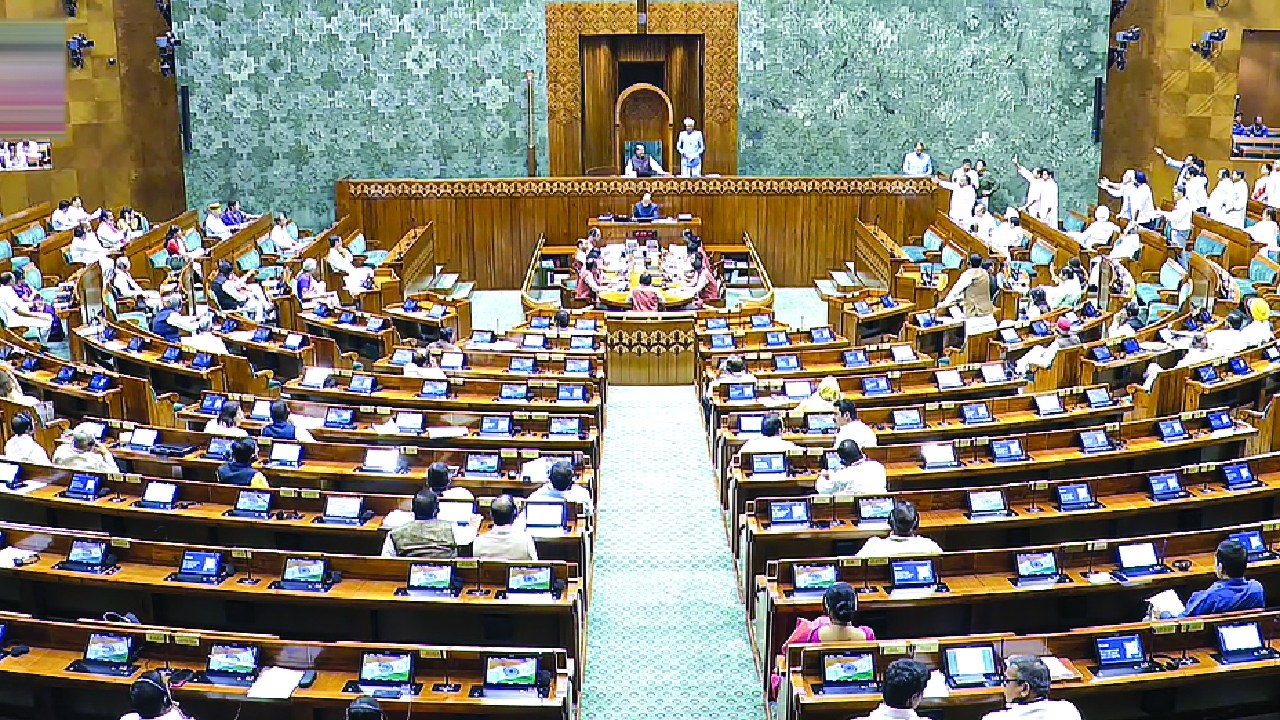
The Women’s Reservation Act Amendments Bill is scheduled to be introduced in the Lok Sabha on April 13. Top Government sources indicate that a special session may be convened from April 13 to April 15, specifically for the bill’s introduction and discussion.
The Bill was not presented during the Budget Session of the Parliament. Instead, the Government chose to propose a Special Parliament Session, close to the West Bengal and Tamil Nadu Assembly elections, to enhance potential political benefits for the BJP.
The Women’s Reservation Act, passed in 2023, provides for a 33 per cent reservation for women in both the Lok Sabha and State Assemblies, but it has yet to be implemented due to the pending delimitation exercise. The proposed amendments are to delink their implementation from the delimitation exercise scheduled for 2027-28.
To this effect, two bills are to be ensured so that (first) the Women Reservation Law is implemented even before the completion of the (second) Delimitation Exercise is done. When the Budget Session had resumed after a break last month, Home Minister Amit Shah held separate meetings with NDA stakeholders and floor leaders of non-Congress Opposition parties to arrive at a consensus.
The decision to hold the Bill in the Budget session was proposed in the Business Advisory Committee (BAC) of the Lok Sabha when the Union Government indicated that a special session of Parliament may be convened if required.
Congress-led Opposition members sought an all-party meeting on proposed amendments to the Women’s Reservation Act. Signed by key members like the Congress, SP, DMK, RJD and Left parties, they called for wider consultations. However, Trinamool Congress is not a signatory.
The proposed framework includes structural changes to ease implementation. The Government is considering a 50 per cent proportionate increase in Lok Sabha seats, ensuring that no State loses its existing representation. If cleared, it would push the number of seats in the Lok Sabha up by 50 per cent, from the existing 543 to 816, with the 273-seat increase earmarked for women.
Reserved constituencies for women may be fixed for three consecutive terms, after which rotation will be introduced. Within seats reserved for Scheduled Castes and Scheduled Tribes, a 33 per cent quota for women is proposed.
Seat allocation within States is likely to be based on data of 2011 Census. Sources said by using the 2011 Census as a baseline, the Government hopes to roll out one-third reservation for women in time for the next General Election and subsequent Assembly polls.
The Bill will require a two-thirds majority in Parliament. The treasury benches are in discussion with Congress and other Opposition parties, which overwhelmingly supported the passage in the 2023 Special Session, which happened on the occasion of shifting to the new Parliament Building.