A motion against the chair
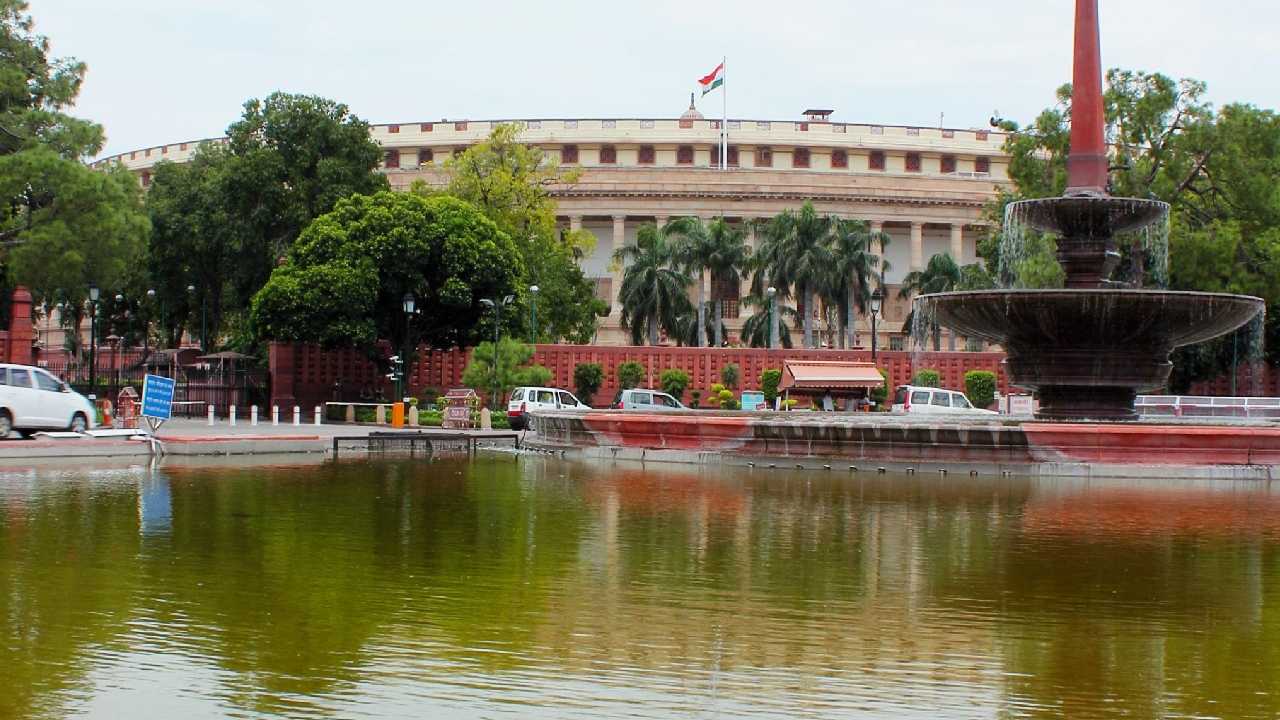
A no-confidence motion is rarely brought against the Speaker of the Lok Sabha. In fact, it has happened only thrice — in 1954, 1966 and 1987 — and all these times the motion was defeated. This time was no different. The no-confidence motion against the Lok Sabha Speaker, Om Birla, was defeated by a voice vote.
No one had an iota of doubt that it would be defeated. The Opposition simply did not have the numbers, as their strength adds up to only 238, falling short of the NDA’s 293 in the Lower House. Perhaps removing Om Birla from the Chair was not the intention of the Opposition. All they wanted was to have a debate on the issue to castigate his tenure as Speaker. In this goal, they were pretty successful. Not only did they register a protest against his conduct in the House, but they also seized the opportunity to attack the Government. They effectively conveyed to the nation that the Opposition is being denied a fair chance to present its concerns in Parliament.
Indeed, there were heated exchanges as tempers ran high on both sides. After the Union Home Minister Amit Shah’s remarks about the Leader of the Opposition, Rahul Gandhi, referring to his wink and hug in the House, there was uproar in the House. The Opposition members accused Shah of using unparliamentary language. Amid disorder in the House, the motion was eventually put to a voice vote and defeated.
Though the motion was defeated fair and square, one point stands out: why has the post of Deputy Speaker been vacant for the last seven years? Article 93 of the Constitution clearly states that the Lok Sabha shall choose both a Speaker and a Deputy Speaker “as soon as may be”. Conventionally, it goes to the Opposition parties. Moreover, in a situation like this, only the Deputy Speaker presides over the House. Since there was no Deputy Speaker, the Chair was occupied by Jagdambika Pal, a BJP MP who happens to be on the panel of Speakers.
Another point the episode highlighted is about order in the House. For a long time, the nation has been witnessing disruptions in the House and unruly behaviour, largely from the Opposition benches. No one can condone such behaviour, but the fact also remains that the smooth functioning of Parliament is also the responsibility of the Government, which must own it, and the Speaker plays a vital role in running the House and maintaining decorum. If the Opposition is denied the chance to speak or is cut short, their frustration erupts in the form of slogan shouting and walkouts. In the last few years, several MPs have been suspended for their conduct. This is not good for a parliamentary democracy, and both sides should own the blame. The Speaker of the Lok Sabha occupies one of the most important constitutional offices in India’s parliamentary system. Once elected, the Speaker is expected to rise above party affiliations, ensure fair debate, and protect the rights of all members of the House. The episode also highlights the growing politicisation of parliamentary procedures. For Parliament to retain public trust, both Government and Opposition must adhere to the spirit of parliamentary democracy and debate in a healthy manner rather than make it a shouting match.