Why new realities demand a fresh start
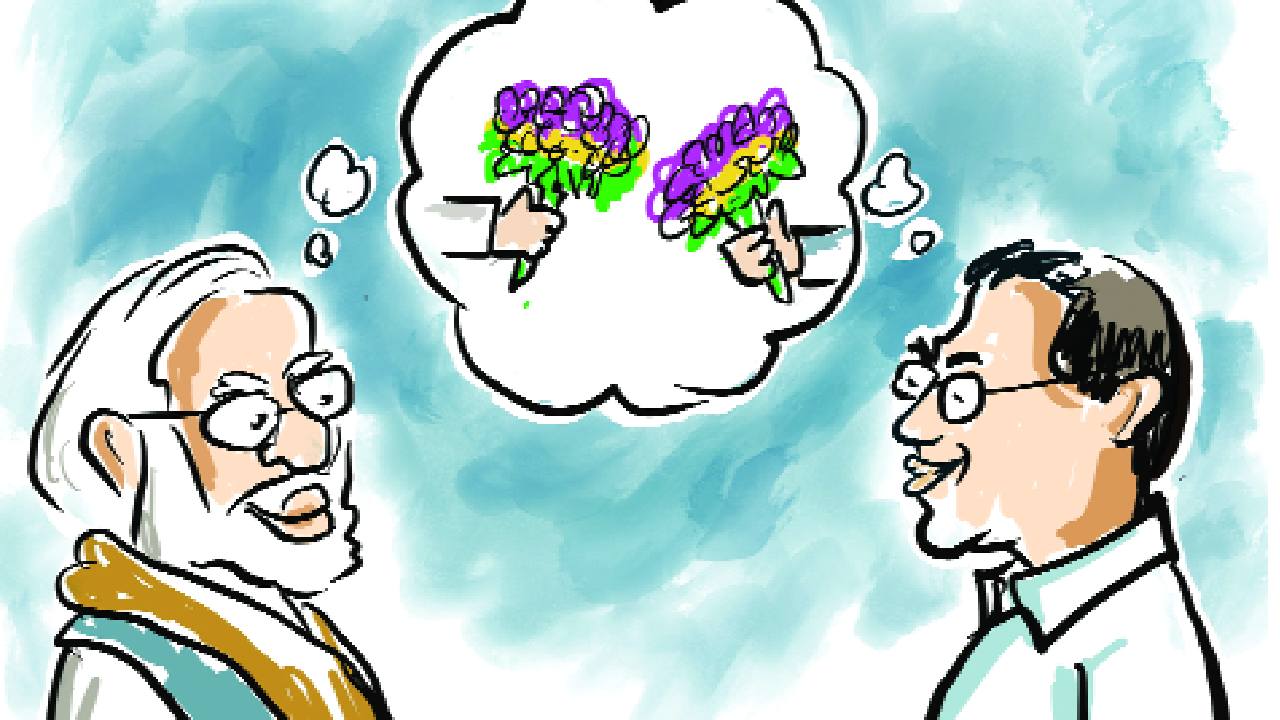
India has had great ties with the Hasina Government, but because of geopolitical interference and internal political dynamics inside Bangladesh, the government fell. Now, should the Indian Government keep holding to the legacy of Hasina or move forward, taking into consideration the new reality? Has the time come for India to reset its ties with Bangladesh?
To be fair to the Bangladeshi Army, the forces remained neutral and firm after Hasina was ousted. They have also been able to ensure more or less a fair election. Once the popular vote has been reflected in the mandate, does it not warrant India to reset its ties with the new government?
India does have a trade surplus with Bangladesh and, rhetoric besides, our states in the Northeast can use the Bangladesh ports more effectively. The Indian Army has had close ties with the Bangladeshi Army and that equation needs to be retained. The NDC course in Bangladesh has been attended by many of our top Generals and many Bangladeshi Generals have been trained/educated in India.
Under the Yunus regime, things moved south really fast and it looked like a major “setback” or outright stalemate.
Biggest issues? Border killings kept happening, water-sharing — like Teesta — stayed stuck, and trade talks froze while Bangladesh cozied up to Pakistan and China instead. Yunus even called India’s Northeast “landlocked,” which did not help. A diplomatic chill set in — no real progress, just barbs and restrictions. And then communal violence in Bangladesh made matters worse.
Now, with BNP sweeping the polls, a reset is good for both countries. Obviously, India cannot be handing over Hasina but, at the same time, our bilateral relations with Bangladesh need to come out of her shadow.
Coordination and Cooperation
- Anti-terrorism: Bangladesh was created on the premise of hope, where Pakistan was to be totally shunted out. However, Bangladesh has hobnobbed with ISI in the last six months, raising fears of a rise in terrorism from their soil. ULFA used Bangladeshi soil for attacks back in the day, before Hasina came to power.
- However, some days back, BNP straight-up promised “zero tolerance” for terrorism — no shelter, no support to anyone using the country against neighbours. Tarique Rahman’s adviser even said out loud they want stronger counter-terror sharing with India, not isolation. Like, “share evidence, build cooperation.”
- Border: Bangladesh has been accusing India of allowing in murderers and India has been complaining about smuggling. Mutual patrols, tech like drones for monitoring, are the way forward.
- Water: Teesta’s deal, maybe interim sharing till a treaty, with joint monitoring, is a confidence-building measure.
- Trade: Rather than political mudslinging, both countries need to speed up customs, make more ports, and build rail links. We need to cut red tape and add digital clearance.
- Security: India does not want anti-India groups operating from Bangladeshi soil. Quiet intelligence swaps may help.
- Military-to-military ties need to be worked upon. Bangladesh needs to be clearly told that both Pakistan and China are a red flag and they need to stay clear of their military influence.
- People-to-People: Student exchanges, tourism, and cultural fests need to pick up to ensure a reset. Movies and literature bind the two nations too.
- Ensuring Safety of Minorities: Bangladesh has seen the rise of Jamaat, which has roots in radicalism. Attacks on minorities and temples create a vibe of disharmony between the two nations. Bangladesh would have to be more proactive against such attacks.
- Illegal migration: One of the sour points India has been concerned about. This kind of illegal migration needs to stop immediately and Bangladeshi border outposts should develop mechanisms to do that.
- Bottom Line: Tarique Rahman’s team is leaning into “harmony first.” From what they are saying — zero tolerance for attacks, quick probes into any flare-ups, and this idea of a multi-faith Citizen Investigation Commission —- this is a welcome change from what Yunus offered.
- India wants security and no Pakistan drift. Bangladesh needs steady trade. A rail link between Akhaura-Agartala could help. China poking in does not help the India-Bangladesh relationship.
Ties may not become a “golden era” again overnight, but they must head towards a functional, mutually useful relationship. India will push democracy, Dhaka will balance.
The writer is a defence analyst and writes extensively on geopolitics and strategic affairs; views are personal