Why Maharashtra’s civic polls matter
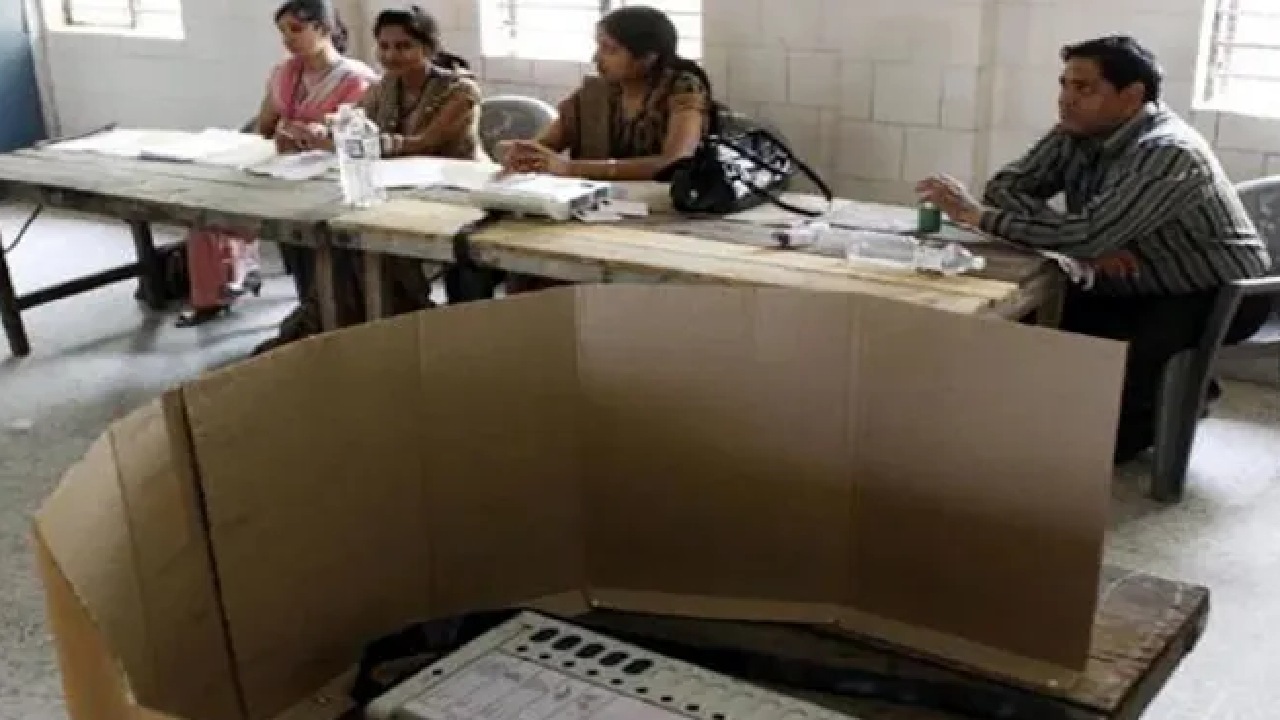
Municipal elections are generally a low-key affair, as the stakes are local. Though political parties fight with vigour, people’s enthusiasm is usually limited. But not in Maharashtra, where civic polls are gathering national headlines thanks to the vitriolic campaigns and high-voltage drama on streets. These elections are not just about who would control the local bodies but the whole of Mahrashtra. It has touched upon larger issues of identity, alliances, and the direction of Maharashtra’s urban development.
Another reason for the noise this election is creating, is that these polls come after a long hiatus — nearly eight years. People are voting to restore democratic control over institutions that directly affect their daily lives — water supply, roads, transport, and waste management — a bid to streamline urban planning.
Over these years, infrastructure has crumbled due to a lack of accountability and bureaucratic control over infra projects, which has left major cities like Mumbai and Pune clamouring for an overhaul.
Politically, these polls are testing the mettle of competing alliances. The ruling Mahayuti and a fragmented opposition are harping on sharp rhetoric. In cities like Pune, the personal rivalries of Ajit Pawar and Devendra Fadnavis are in the
open. Mumbai is indeed the place where the key battles are being fought with vigour.
The campaigns have gone beyond promises to upgrade local bodies — to questions of identity. The revival of the Marathi ‘manoos’ plank, triggered by the controversy over Hindi as a third mandatory language in schools, has placed linguistic and cultural identity at the heart of the contest. For the Shiv Sena (UBT) and the MNS, the election has become a question of Marathi pride and political relevance. For the ruling alliance, the counter-narrative has focused on unity and development.
This emphasis on identity reflects a deeper anxiety: the fragmentation of the Marathi vote. Once a consolidated political force, it is now divided among several parties. These polls are an attempt — especially by the Sena (UBT)-MNS combine — to reconsolidate this vote for this election and the Assembly elections as well.
Adding another layer to the campaign is the entry of big business into political discourse. Gautam Adani’s name, particularly in relation to the Dharavi redevelopment project, is another highlight of these elections. Opposition leaders have sought to frame the election as a choice between people-centric urban renewal and corporate-driven development termed “Adanistan”. The ruling alliance, in turn, has accused its critics of opportunism and hypocrisy.
These polls will decide whether identity politics regains dominance, whether development remains the central plank, or whether voters demand a more accountable, governance-focused politics.
In Maharashtra’s metros, the civic ballot has become a referendum on two divergent approaches to governance and how people view the future of Maharashtra — shaped by local satraps or by the leaders based in New Delhi.