Why high-performing teams are emotionally boring
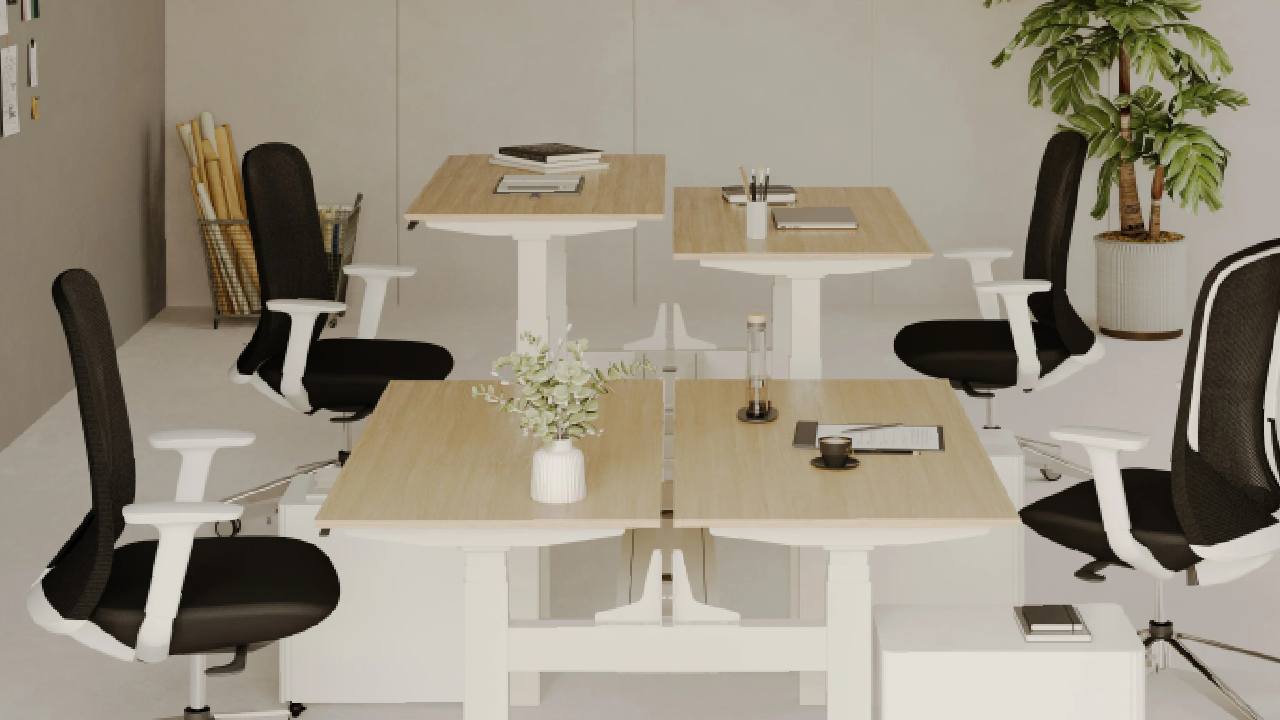
In the popular imagination, high-performing teams look dramatic. There are animated meetings, passionate debates, late-night hustle, loud celebrations, and equally loud frustrations. Energy is visible. Emotions run high. It looks productive. In reality, most truly high-performing teams are emotionally… boring.
That might sound counter-intuitive, especially in a culture that often equates enthusiasm with excellence. But after years of observing teams across corporate boardrooms, project war rooms, and everyday workplaces, one truth stands out quietly and consistently: performance is built on steadiness, not spectacle.
High performance is not about intensity. It is about consistency. The teams that deliver, quarter after quarter, are rarely riding emotional highs or crashing into lows. They show up, do the work, and move on. Meetings are calm. Decisions are methodical. Feedback is direct but not dramatic. There is very little emotional noise. And that is precisely why they work. Drama is often mistaken for engagement. Raised voices, urgency-filled emails, and constant firefighting create the illusion that people care deeply. But more often than not, drama is a symptom of misalignment, unclear roles, or fragile trust. It consumes energy without producing results. Emotionally stable teams do not need to perform their commitment. They do not rely on adrenaline to get things done. Their engagement is quiet and internal - rooted in clarity and mutual respect. In such teams, expectations are clear. Everyone knows their role and understands what success looks like. Because of this clarity, emotions do not need to fill the gaps. There is less blame, fewer ego battles, and minimal second-guessing. Trust plays a central role here. When trust is deep, people do not overreact. They do not assume malice where there is delay, or incompetence where there is a mistake. Issues are addressed without personalising them. Disagreements happen, but they are resolved without lingering emotional residue.
This emotional neutrality is not coldness. It is maturity. Think of it like a seasoned surgeon versus a medical drama on television. The real operating room is calm, precise, almost uneventful. That calm is not a lack of urgency — it is mastery. High-performing teams operate the same way. They do not need constant motivational speeches or emotional spikes to function. Their rhythm is reliable. Their energy is sustainable. Contrast this with teams that feel like roller coasters. One week there is excitement, the next week burnout. One day collaboration, the next day conflict. These emotional swings are exhausting and often mask deeper structural problems.
A team that constantly needs emotional fuel to perform will eventually run out of it. The most effective leaders understand this. They do not aim to keep teams perpetually excited; they aim to keep them grounded. They replace chaos with systems, urgency with prioritisation, and drama with dialogue.
So if your team meetings feel uneventful, your workflows predictable, and your days steady rather than sensational - pause before assuming something is missing. It might be that nothing is wrong at all. Because if your team feels like a roller coaster, it is not high performance — it is instability. And if it feels emotionally boring, you may just be doing something very right.
The writer is a freelancer who writes on education, development, and social issues; views are personal
Leave a Comment
Comments (1)
Thought-provoking, especially for those who create noise, not only teams but individuals too, in every sphere of life.