When trust becomes the new economic currency
A few days ago, my phone rang with an unsettling authority. The man on the other end claimed to be from the police department and alleged that my number was linked to unlawful activities in Kashmir. The accusation was absurd — I was attending a wedding in another city at the time — yet the confidence in his voice was enough to momentarily unnerve me. He instructed me to move to a quieter room to continue the conversation. In hindsight, I should have challenged him outright. Instead, instinct took over: I ended the call and blocked the number, shaken but unharmed.
This was not my first brush with deception. A few months earlier, an acquaintance sent me an urgent message requesting money, assuring repayment by evening. The amount she asked for was strikingly similar to what I had recently paid her for filing my income tax returns. The request might have succeeded had several other neighbours not received identical appeals around the same time. It later emerged that she had fallen victim to a scam herself. A so-called courier service had asked her to contact a delivery agent who claimed he could not find her address. Expecting a genuine parcel, she called back — only for her phone to be compromised. I narrowly escaped a similar fate days later, having learned to pause before reacting.
Another episode unfolded closer to home. An Amazon package addressed to my daughter was delivered to my father on a cash-on-delivery basis. Unable to reach her and considering the small sum involved, he paid for it. My daughter, however, had ordered nothing. Inside the package were generic face creams, devoid of any manufacturer's details. The transaction was minor, but the intrusion felt deeply personal.
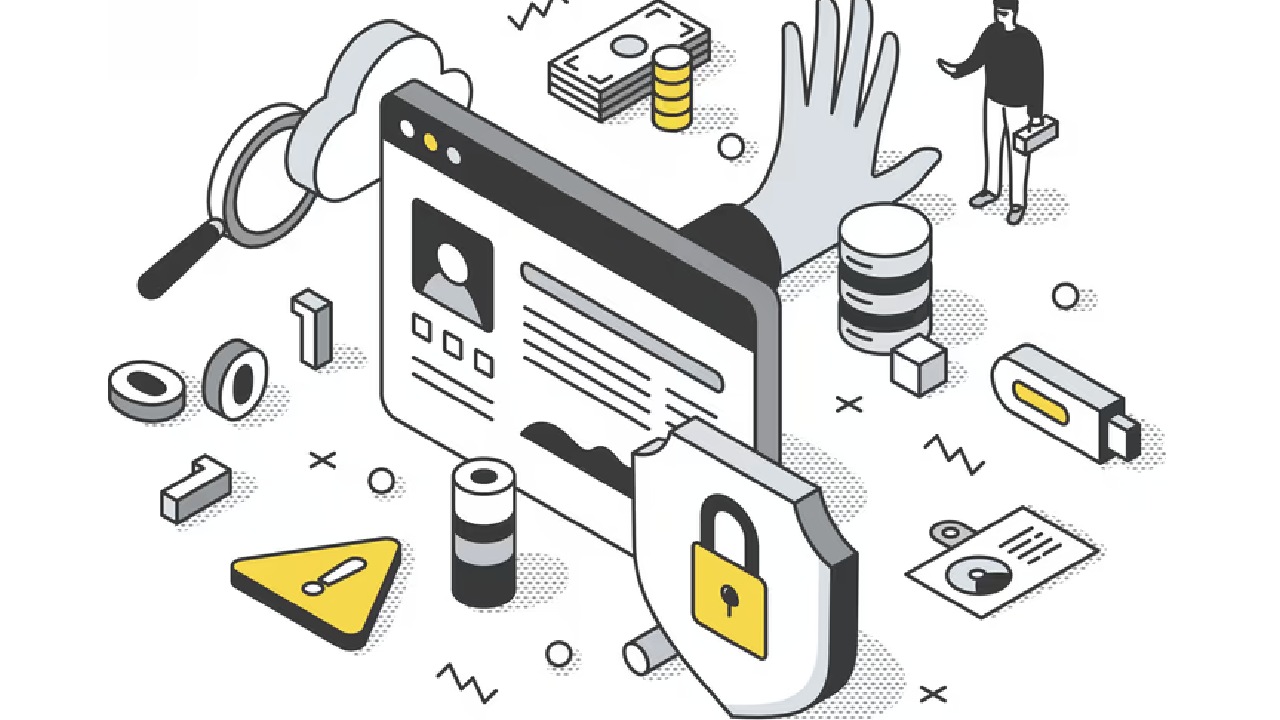
What binds these experiences together is the disturbing precision with which fraudsters operate. They possess intimate personal information — names, relationships, recent transactions — details not easily accessible in the public domain. Such incidents regularly make headlines, yet the list of victims continues to grow. This raises an unsettling question: who are these people behind the scams? Increasingly, they appear to be tech-savvy young individuals who have identified deception as an effortless route to income.
These encounters forced me to reflect on a broader transformation. In earlier times, livelihoods were built on visible, honest exchanges. Letter writers outside post offices helped the illiterate communicate. Utensil traders went door to door. Barbers worked under trees, and cobblers repaired shoes on pavements. These modest professions sustained families and communities through trust and labour.
Fraud existed, no doubt, but it was peripheral - confined to cautionary tales in old films or occasional local villains. The digital age has altered that balance. The rapid expansion of technology and data networks has enabled a new breed of organised fraud, driven not by skill or service but by the exploitation of trust. The pursuit of easy money has been severed from any notion of effort or value creation.
As society races ahead technologically, it must also reckon with the ethical void this progress can leave behind. Otherwise, deception risks becoming not an exception, but a defining feature of our times.
The writer, founder of Kala – Krazy About Literature and Arts, is an author, speaker, coach, arbitrator, and strategy consultant; views are personal