When taxes start feeling like a punishment
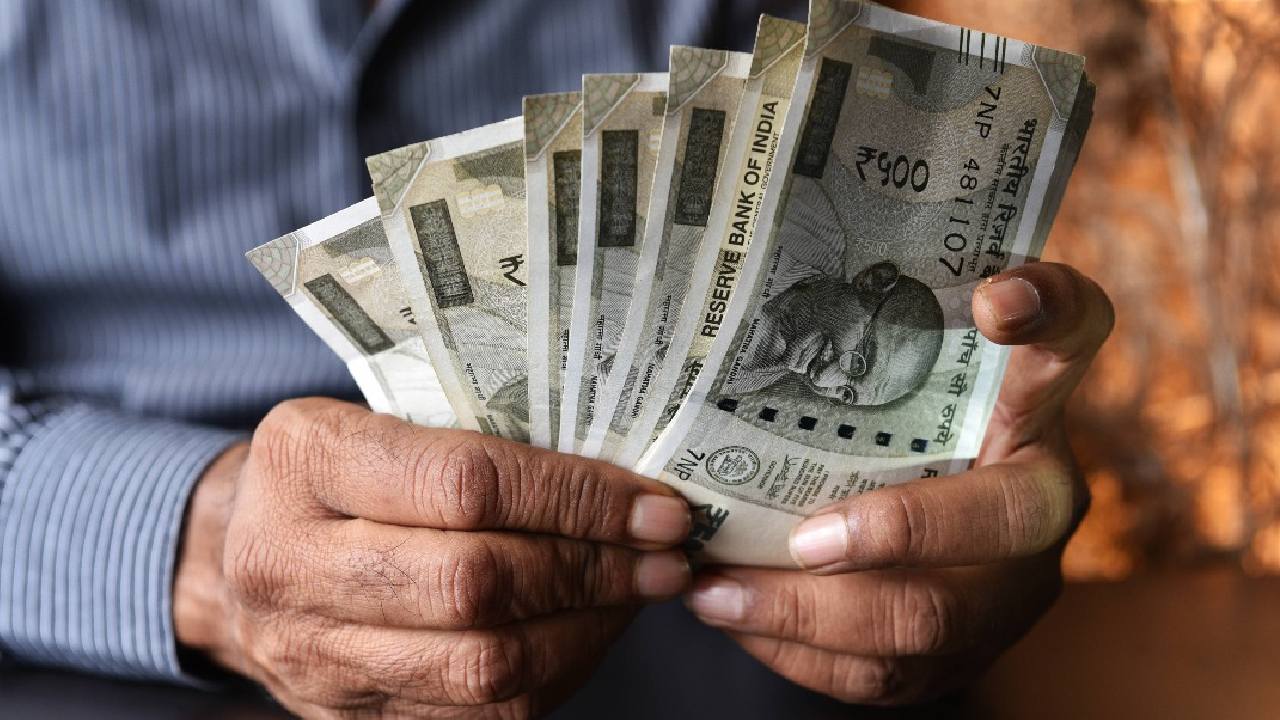
The moment the word taxes enters a conversation, shoulders slump. Faces tighten. For many Indians today, taxes no longer feel like a civic duty; they feel like a quiet penalty for choosing to earn honestly in this country.
The irony is painful. An entire year is spent working relentlessly — long hours, skipped family dinners, postponed holidays, and strained mental health. We plan our finances carefully, invest where we can, and chase stability in an economy where inflation quietly eats into every salary slip. And then, almost ceremoniously, a portion of that hard-earned income is taken away.
Professional tax is deducted without question. Income tax follows if your salary crosses the `12 lakh threshold. For someone earning `13-14 lakh annually, the income tax outgo can equal nearly a full month’s salary. One month of work — gone. Not spent. Not saved. Simply surrendered.
This would not sting as much if incomes were rising faster than costs. But they are not. Inflation has turned everyday living into a careful calculation — rent, school fees, healthcare, fuel, groceries. Savings are already stretched thin. So when taxes take away what could have been a safety net, the feeling is not anger alone. It is anxiety. It is fear. It is exhaustion.
We grow up being taught a beautiful lesson: give without expectation. Give and forget. Charity, generosity, seva — these values are deeply Indian. But taxes do not feel like charity. They feel compulsory. And unlike voluntary giving, they refuse to be forgotten, because their absence is felt every month, in every compromised plan.
Some well-meaning people say, “Treat taxes like a donation to the government.” That sounds noble - but donations work on trust, visibility, and certainty. When we donate to a cause, we know where the money is going. We see the school built, the child educated, the hospital equipped. Taxes, on the other hand, disappear into abstraction.
Research consistently shows that tax morale - people’s willingness to pay taxes — increases when governments communicate clearly about how tax money is used. Countries that publicly link taxes to healthcare systems, transport infrastructure, education, and social security see higher compliance and lower resentment. Transparency builds trust. Uncertainty breeds resistance.
In India, the average taxpayer often feels invisible. The benefits of taxation feel distant, uneven, or inaccessible. Roads remain broken, public hospitals overcrowded, and middle-class families continue to self-fund education, healthcare, and retirement — despite paying substantial taxes. This disconnect is where resentment grows.
People are not unwilling to contribute. Indians donate generously, volunteer tirelessly, and support communities instinctively. What they resist is paying without knowing. Giving without seeing impact. Sacrificing without assurance. If taxpayers were clearly shown — this portion funded rural healthcare, this built urban infrastructure, this supported education — many would pay with pride, not pain. Accountability would transform taxes from a burden into participation.
Until then, taxes will continue to feel less like nation-building and more like a survival negotiation. And the question will linger in every honest earner’s mind: Why does earning more feel like losing more?
The writer is a freelancer who writes on education, development, and social issues; views are personal
Leave a Comment
Comments (1)
Very reasonable thoughts, well articulated. I wish someone had the capacity to say abracadabra and the system turned transparent and fruitful