Viksit Bharat demands annihilation of sick racket
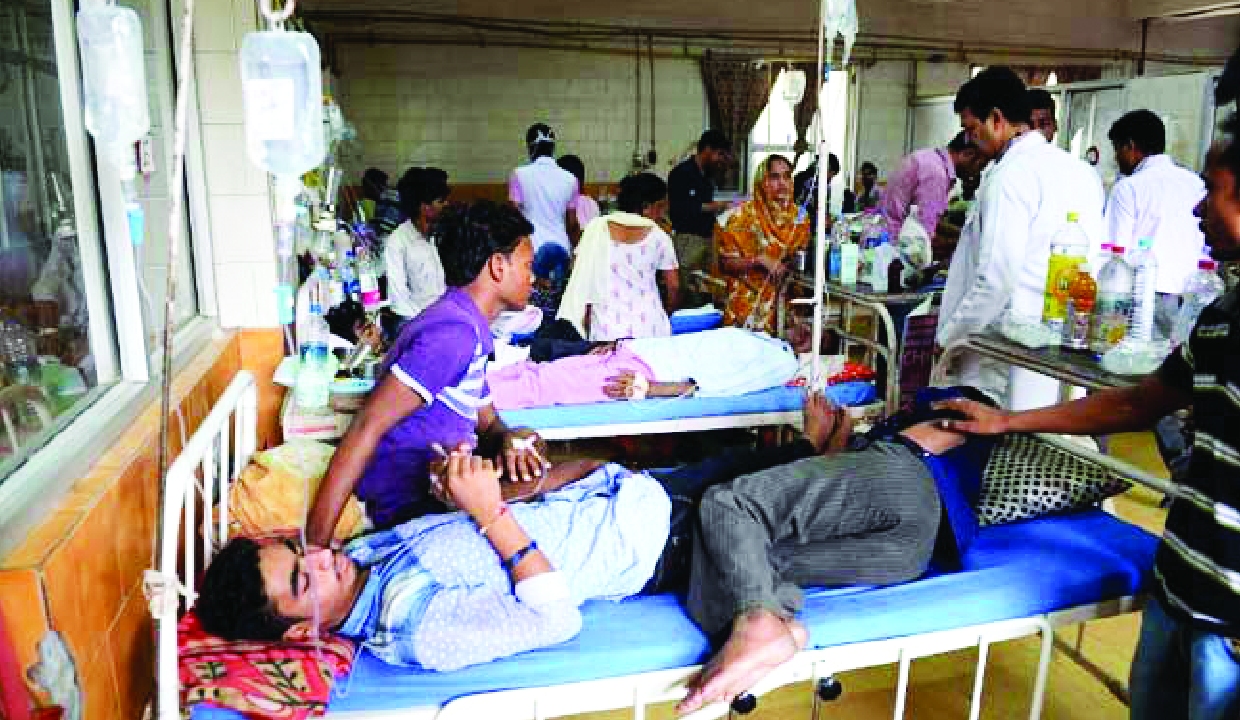
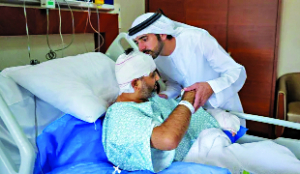
A patient cured is a customer lost also. Insurance advertisements never admit this, hospital brochures never print it. Illness, in India, is not merely a misfortune, but a perennial resource to be harnessed, monetised and prolonged.
A conspiracy everyone denies, and no one disrupts: the symbiotic alliance amongst insurers, hospitals, pharmaceutical companies and practitioners.
Insurers profit from premia collected today and claims delayed or denied tomorrow. Hospitals, particularly the large corporate chains which dominate metro healthcare, are answerable to their shareholders and quarterly targets, and that is why unnecessary diagnostics, extended ICU stays and needless surgeries performed to be safe have become quite routine. Pharma companies sponsor conferences, fund 'continuing medical education' and reward number of prescriptions with bounties ranging from gift vouchers to foreign tours; a sales promotion framed as scientific exchange. And practitioners, sworn on the Hippocratic Oath, find themselves sandwiched between their conscience and revenue targets, in a system which punishes the doctor who orders fewer tests and rewards the one who orders more. And this system has emerged the way most rackets do, from each participant rationally pursuing self-interest inside an opaque system with almost no accountability. Consequence: a healthcare economy in which the patient’s well-being and the provider’s profitability are poles apart. This is the context in which the Ayushman Bharat Health Account or ABHA, deserves a much more serious look. On paper, the idea is elegant: a portable, fourteen-digit digital health identity which allows a patient’s records, like prescriptions, test results, diagnoses, discharge summaries, to travel with them across hospitals, cities and insurers, with the patient’s consent, of course. India has already enrolled over 940 million people into the system and the pitch is simple; end the duplication of tests, end the loss of medical history between providers, and provide the patient, rather than the hospital, ownership of their own data. If it works as designed, ABHA is a genuine, if partial at the moment, answer to the customer lost syndrome.
A longitudinal, portable health record makes it harder for one hospital to repeat a scan earlier conducted, tougher for a doctor to prescribe indefinitely without a second opinion crossing their desk, and easier for regulators and insurers to spot patterns of over- or mistreatment across a patient’s history rather than one hospital’s silo.
Transparency, at scale, is the enemy of a nexus constructed on information asymmetry. Yet, a digital ID may not fix a structural incentive. ABHA can make overtreatment more visible but not unprofitable. Without genuine enforcement- audits of billing patters, penalties for unwarranted procedures and insurers willing to actually use the data to push back on claims rather than simply process them faster, a health ID risks becoming an efficient recordkeeping layer sitting quietly on top of the same broken incentives. Containment is not correction.
If the practice of medicine has become commercialised, so has the path to becoming a doctor, but more brutally. NEET, even though a noble, innovative concept, has unintentionally fueled an entire shadow economy that extracts money from families, years before their children touch a patient.
Coaching institutes in cities built almost entirely around this one exam ecosystem charge fees which may exceed a family’s annual income, promising a seat that statistically, for most aspirants, would never come. Around these coaching hubs has grown an ancillary economy of paying-guest accommodations and private hostels, mostly unregulated, overcrowded and expensive, housing teenagers separated from their families for years at a stretch under enormous psychological pressure, a pressure whose human cost surfaces frequently in tragic headlines. Then there is the exam itself, which is rocked by paper-leak scandals serious enough to reach the Supreme Court, with allegations of question papers being sold for sums only the wealthiest can afford, turning what is meant to be a merit-based gateway into, for some, a cash cow. And, for those who clear the exam but not with marks high enough for a government seat, private medical colleges wait with exorbitant fee structures running into crores, for a single MBBS degree; fee which virtually guarantees the graduates will spend their early career recouping the investment before they can practice medicine as a public service.
By the time, a NEET aspirant becomes a fully qualified doctor, an extraordinary amount of family gold, years of adolescence and psychological capital have already been spent. It should surprise no one that many enter the profession already thinking in terms of ROE - returns on investment. None of this is unfixable and the fixes are neither exotic nor untested; India already runs a comparable model for engineering admissions. First, cap the number of NEET attempts, the way JEE-Main or Advanced limits them, starting with 12th pass-year. Unlimited attempts do not reward merit but reward the ability to fund this dark economy of repeated years of coaching, PG; quietly converting the 'National Eligibility Test' into a 'Wealth Eligibility Test'. Second, move NEET decisively to a secure, multi-shift computer-based test format, as JEE Main already does. A single-day, pen-and-paper exam undertaken by over two million candidates and transported physically across the country is a leak waiting to happen; and the events of the past three months have proven this beyond argument. Experts' recommendations have repeatedly suggested a shift towards online or hybrid formats, staggered over multiple days, precisely because a single point of physical failure is not a security architecture; it is the invitation.
Third, regulate the coaching-hostel nexus with the same seriousness applied to the exam itself; safety standards, fee transparency and mental health support for adolescents living away from home under exam pressure. Fourth and the toughest; cap or index private medical college fees to sanity, something a middle-class family can conceivably repay through an ethical medical career, rather than taking recourse to unethical practice. None of these reforms, alone, would dismantle this sick racket of insurers, hospitals and pharmaceutical companies which profit from keeping patients in illness. However, together, they attack the pipeline that feed it, which presently looks not for the most compassionate future doctors but for the families with the deepest pockets and the students with the highest tolerance for extraction. Fix what feeds this racket and the system itself becomes easier to fix. India does not lack medical talent or infrastructure. What it lacks is an economy which rewards a doctor for making a patient well rather than for keeping them, quietly and profitably, unwell. And this economy, which promotes the sound body, in turn, housing a sound mind, is key to the dream of Viksit Bharat becoming a reality.
Dr. Amitabh Ranjan, Vice Chairman of PanIIT Alumni India and NESA, Washington DC Alumnus, is associated with IIPA, New Delhi as Registrar; Views presented are personal.